Building a standalone children’s hospital in Edmonton is a generational necessity. Asking a group of middle schoolers to "submit designs" for it is a cynical PR stunt that masks a massive failure in provincial healthcare planning.
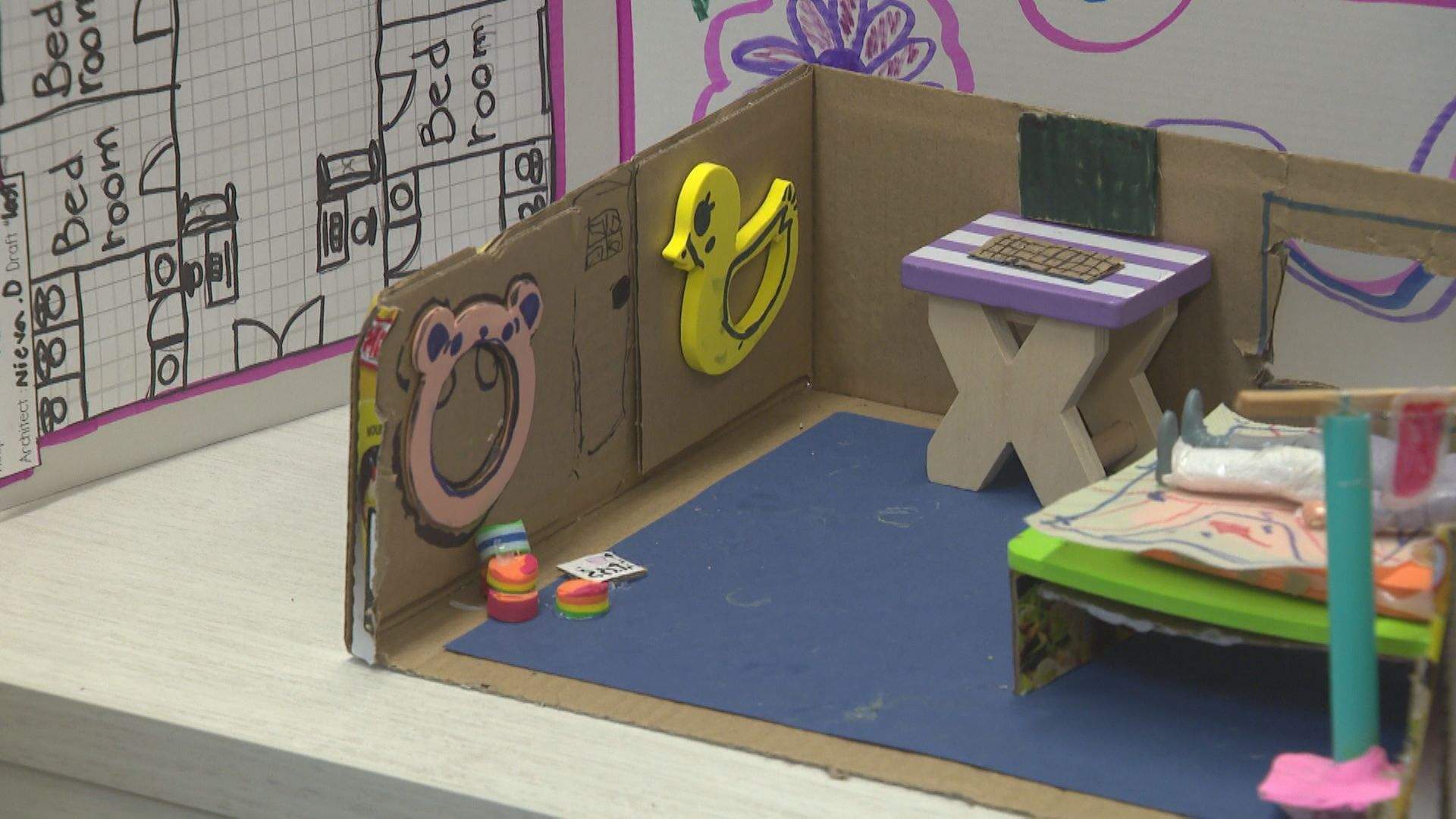
We love the optics. We love the photo ops of kids holding cardboard models and sketches of "play zones" and "rainbow-colored wards." It makes for great evening news segments. It suggests a community-driven, empathetic approach to infrastructure. But it is fundamentally dishonest. While the public dotes on student-led creativity, the actual mechanics of pediatric healthcare—the ones that determine whether a child lives or dies—are being buried under a pile of construction paper and good intentions.
The Myth of User-Centered Design
The "lazy consensus" in modern public works is that every stakeholder deserves a seat at the drafting table. In pediatric medicine, that translates to the "child’s eye view." The logic seems sound: who knows what kids need better than kids?
In reality, kids don't know what they need in a level-one trauma center. They know what they want in a bedroom. There is a vast, dangerous gulf between a "welcoming environment" and a clinically superior one.
When we prioritize the aesthetics of comfort over the cold, hard logic of clinical flow, we lose. I have seen hospital boards blow millions of dollars on "soothing" atrium spaces and interactive art installations while the actual nursing stations are positioned so poorly that response times for code blues increase by ten percent.
A hospital is not a playground. It is a high-stakes machine. The design of the new Stollery shouldn't be about what a twelve-year-old thinks is "cool." It should be about minimizing the distance between the helipad and the operating theater. It should be about the $CO_2$ scrubbing capabilities of the HVAC system and the specific placement of medical gas outlets. Every square foot dedicated to a "student-inspired" whimsical feature is a square foot that isn't being used for diagnostic imaging or specialized isolation suites.
The Standalone Fallacy
The current push for a standalone Stollery Children’s Hospital is built on the premise that physical separation equals better care. The argument goes that children shouldn't be "squeezed" into the University of Alberta Hospital complex.
This is a half-truth. While pediatric patients require specialized equipment and a different bedside manner, the "standalone" obsession often ignores the benefits of resource sharing.
Imagine a scenario where a child requires a rare, highly specialized neurosurgical intervention that is typically performed on adults. In a co-located facility, the top neurosurgeon in the province can walk across a hallway. In a strictly standalone facility, that child is now an "inter-facility transfer." You are adding risk, time, and logistical friction to a crisis.
The "standalone" brand is a marketing tool used to drive donations. It’s easier to sell a "shining tower for kids" to donors than it is to sell "integrated clinical efficiencies." By focusing on the building’s independence, we are prioritizing the brand of the Stollery over the interconnected reality of the Alberta Health Services ecosystem.
Complexity is Not a Design Flaw
We are obsessed with "democratizing" complex decisions. We think that by making the design process "accessible" to students, we are being inclusive. We aren't. We are being lazy.
The design of a pediatric hospital is one of the most complex engineering feats a society can undertake. It requires an understanding of:
- Acoustic dampening: Reducing the "noise floor" to prevent cognitive fatigue in surgeons.
- Infection control: Managing airflow patterns to ensure that a child with a compromised immune system in Room A isn't exposed to the pathogens in Room B.
- Psychological stress loading: Designing spaces that reduce cortisol levels in parents, who are often the most overlooked "users" of the space.
When we pivot the conversation to student designs, we ignore these variables. We treat the hospital as a static object—a building—rather than a dynamic system.
The False Promise of the "Future-Proof" Ward
The competitor’s narrative suggests that these student designs will help "future-proof" the hospital. This is a classic industry delusion.
In healthcare, "future-proofing" is a myth sold by architects to justify higher fees. The technology in that hospital will be obsolete ten years before the mortgage is paid off. The only way to truly future-proof a facility is to build it as a modular, adaptable shell with massive surplus in power and data capacity.
Students aren't designing for the future; they are designing for the present. They are designing based on the iPads and gaming consoles of today. A hospital built on the "vision" of a 2026 middle schooler will be a relic by 2036.
The High Cost of Whimsy
Let’s talk about the money. Alberta’s healthcare budget is a zero-sum game. Every dollar spent on "aesthetic flourishes" derived from community engagement sessions is a dollar taken away from staffing.
You can have the most beautiful, student-designed, "state-of-the-art" hospital in the world, but if you don't have the pediatric intensivists to staff the beds, you have a very expensive monument to failure.
We see this pattern globally. Governments love ribbons. They love shovels in the ground. They love "iconic" architecture. They hate the recurring operational costs of paying nurses a competitive wage and funding residency spots for pediatric sub-specialists.
By focusing the public’s attention on the design of the Stollery, the government and the planners are successfully distracting us from the operation of the Stollery. They are giving us a shiny object to look at while the actual foundation of the system—the human capital—is eroding.
Stop Playing Architect
If we want to build the best children’s hospital in the world, we need to stop treating it like a middle school art project.
We need to:
- Prioritize Clinical Throughput: The "beauty" of the building should be measured in its mortality rates and recovery times, not its facade.
- Acknowledge Integrated Reality: The Stollery should remain deeply integrated with the University of Alberta’s research and adult care capabilities, even if it has its own front door.
- Invest in People, Not Just Glass: A 20% increase in pediatric nursing staff will do more for child health in Alberta than any "innovative" design feature ever could.
The students should be in school learning the math and science required to one day work inside the hospital. They shouldn't be tasked with designing the shell.
Stop asking children how to build a hospital. Start asking the world’s most elite medical planners how to build a machine that stops children from dying. Everything else is just expensive wallpaper.
Build the machine. Hire the people. Forget the sketches.