Bangladesh has moved into a state of emergency conservation. By slashing office hours, shuttering community centers by 8:00 PM, and banning decorative lighting at social events, the government is attempting to curb a catastrophic drain on foreign exchange reserves. This is not merely a "green" initiative or a seasonal adjustment; it is a desperate survival tactic to prevent a total collapse of the national power grid and the economy it supports. The primary driver is a global surge in fuel prices that has made the cost of imported Liquefied Natural Gas (LNG) and diesel unsustainable for the national treasury.
The High Price of an Imported Energy Strategy
For a decade, Bangladesh pinned its industrial growth on a specific gamble. That gamble was cheap, imported fossil fuels. As domestic gas fields began to dwindle, the shift toward LNG seemed like a logical bridge to the future. It worked, for a while. Factories hummed, and the middle class grew. But the bridge is currently burning.
The global energy market has been upended by geopolitical instability, specifically the ripple effects of the conflict in Ukraine. Prices for spot market LNG reached levels that the Bangladesh Power Development Board (BPDB) simply cannot afford. When a country relies on imports for a significant portion of its primary energy, it becomes a hostage to international price volatility.
The current austerity measures—reducing the work week and turning off the lights—are the first visible cracks in a system that prioritized rapid expansion over energy sovereignty. The government’s decision to cut the work day from eight hours to seven for government and autonomous offices is a direct attempt to shave off the "peak demand" that occurs during the hottest parts of the day.
Behind the Blackouts and Shortened Shifts
The math is brutal. When demand outstrips supply, the grid faces a choice: controlled load shedding or a total blackout. By forcing offices to close earlier and banning the flamboyant lighting used in weddings and festive halls, the state hopes to reduce the national load by several hundred megawatts.
However, the impact on the private sector is immediate and punishing. Small businesses that rely on evening foot traffic are seeing their margins evaporate. In Dhaka’s dense commercial districts, the lack of evening illumination isn't just a cost-saving measure; it’s a security concern and a psychological blow to a population used to a 24-hour economy.
The Industrial Fallout
While the government protects the garment industry—the backbone of the nation's exports—with preferential power allocation, the secondary supply chains are suffering. Printing shops, packaging factories, and small-scale textile units do not always get the same protections.
If these satellite industries cannot function due to power cuts or restricted hours, the entire export engine slows down. This creates a dangerous feedback loop. Reduced exports mean fewer dollars flowing into the country, which makes it even harder to buy the fuel needed to generate the power that keeps the factories running.
The Foreign Exchange Trap
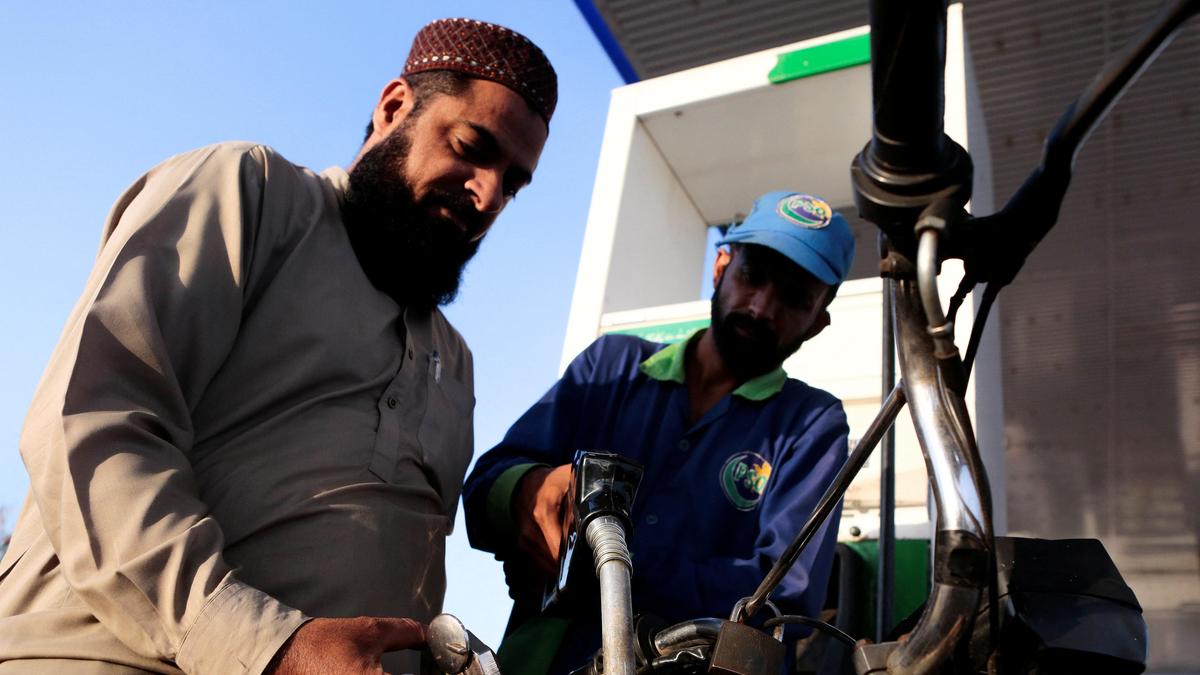
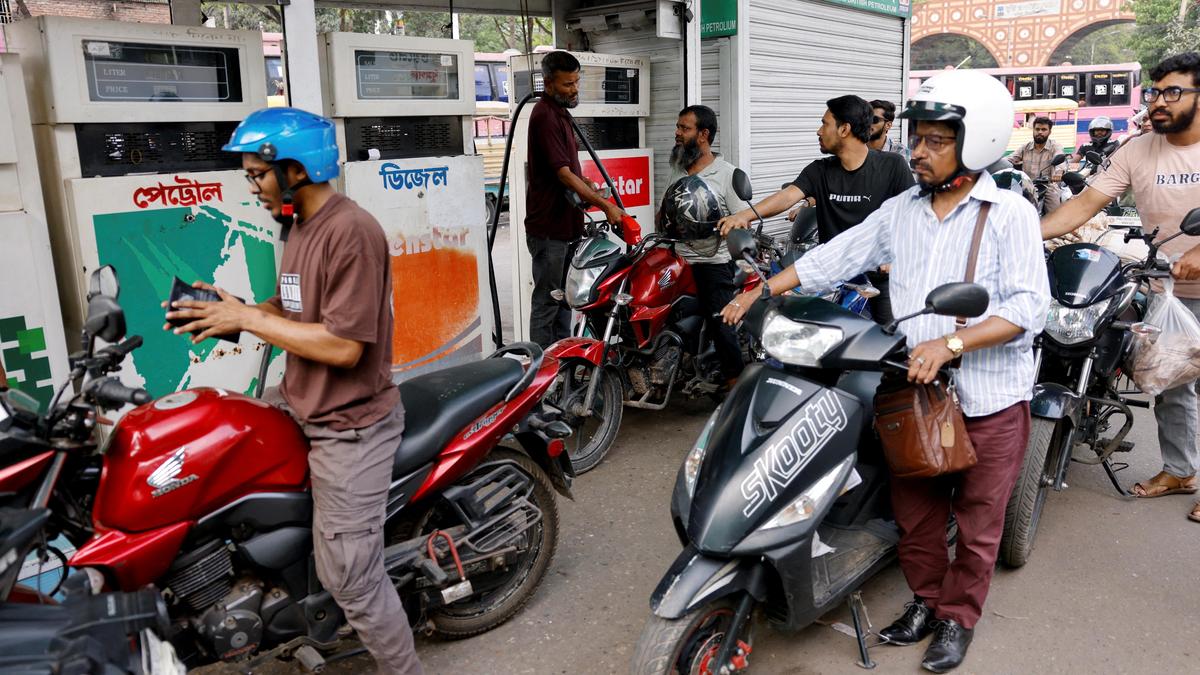
The energy crisis is, at its heart, a currency crisis. Bangladesh’s foreign exchange reserves have been under immense pressure. Every ship of LNG or diesel purchased in the global spot market represents a massive outflow of US dollars.
By curbing electricity consumption, the state is effectively trying to stop the bleeding of its "forex" reserves. The logic is simple: if we use less electricity, we buy less fuel; if we buy less fuel, we keep more dollars in the central bank. But this is a defensive crouch, not a growth strategy.
The Failure of Domestic Exploration
The question that seasoned analysts are asking is why Bangladesh remains so dependent on imports. Geologists have long suggested that the country sits on significant untapped gas reserves, both onshore and offshore. Yet, for years, exploration stagnated.
Some argue that the ease of building LNG terminals led to a "lazy" energy policy. It was easier to sign import contracts than to navigate the complex, long-term risks of deep-sea drilling or land-based exploration. Now, that lack of foresight has come home to roost. The current darkness is the price paid for years of neglected domestic resource development.
A Systemic Overhaul or a Temporary Patch
The government insists these measures are temporary. History, however, suggests that energy crises of this magnitude are rarely solved by simply turning off the lights. The fundamental structure of the nation's power generation remains skewed toward expensive, imported liquids.
To truly fix the issue, the state must move beyond the "wedding light" bans and address the following:
- Aggressive Domestic Gas Exploration: Moving past the rhetoric and actually drilling for the resources that are believed to exist within national borders.
- Grid Modernization: Reducing the massive technical losses that occur during the transmission of power from plants to homes.
- Diversification: Rapidly accelerating the adoption of renewables, which currently make up a negligible fraction of the energy mix.
The Human Cost of Energy Austerity
On the streets of Chittagong and Dhaka, the reality of these cuts is felt most by the working class. Shortened office hours often translate to reduced earning opportunities for those in the informal economy—tea stall owners, rickshaw pullers, and street vendors—who thrive when the city is active.
For the student studying under a dim battery-powered lamp or the shopkeeper watching his stock spoil in a silent refrigerator, the "macroeconomic stabilization" of the state feels like a personal robbery. The social contract is under strain. People are willing to sacrifice in an emergency, but they expect a clear path back to the light.
The current strategy is a gamble that global prices will fall before the public’s patience runs out. If the prices remain high, "cutting office hours" will soon look like a very small bandage on a very large wound.
The state is currently managing a decline rather than fueling progress. Every darkened street lamp is a reminder that the era of cheap, easy energy is over, and the era of hard choices has arrived.
The lights are off, but the clock is ticking.