The theatrical window for Summer 2026 represents a critical stress test for the legacy "blockbuster" model. While previous years focused on post-pandemic recovery, the upcoming season operates under a new cost-utility function where brand equity no longer guarantees a positive return on investment (ROI). Success in this window is now dictated by a triad of variables: intellectual property (IP) fatigue, the premium large format (PLF) bottleneck, and the demographic shift toward "event-only" consumption.
As the industry approaches May 2026, the scheduling architecture reveals a calculated attempt to hedge against these variables through high-density franchise releases and precision targeting of specific consumer segments. In related news, read about: The Glitch in the Prestige Machine.
The Franchise Saturation Index: May to June
The early summer slate is characterized by high-certainty IP, designed to capture immediate liquidity from established fanbases.
- The Mandalorian and Grogu (May 22): This release marks a strategic pivot from the Disney+ subscription model back to theatrical distribution. The primary challenge here is the "dilution coefficient"—the risk that high-volume streaming content has lowered the perceived value of the Star Wars brand in a premium cinema setting.
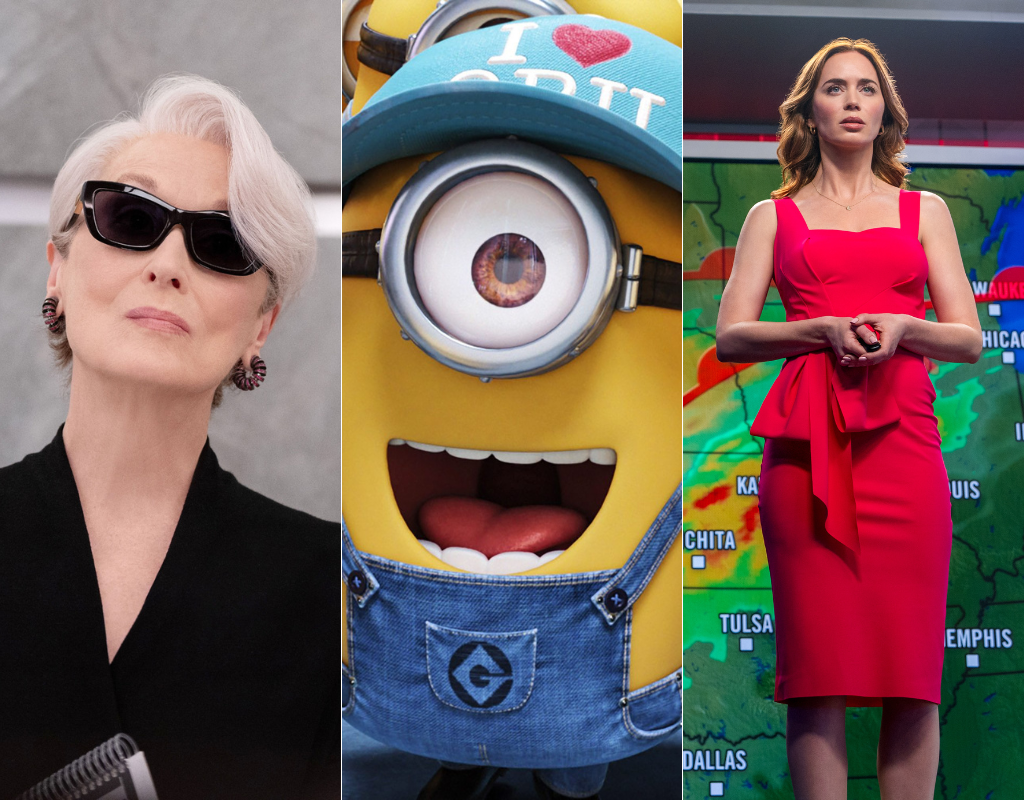
- The Devil Wears Prada 2 (May 1): Positioning this sequel in early May targets an underserved adult female demographic, effectively creating a "counter-programming" moat against the typical superhero-heavy spring starts.
- Mortal Kombat II (May 8): Warner Bros. is utilizing a "niche-expansion" strategy. Following the moderate success of the 2021 reboot, this sequel relies on the global floor of R-rated action consumers, a segment that remains resistant to broader inflationary trends in ticket pricing.
The June Animation and Sci-Fi Bottleneck
June 2026 presents a significant logistical conflict. The concentration of high-budget releases creates a "cannibalization effect," where mid-tier films are likely to be squeezed out by dominant IP. IGN has analyzed this fascinating subject in extensive detail.
- Toy Story 5 (June 19): Pixar is engaging in a "Legacy Reclamation" play. Following a period of experimental original releases, the return to the Toy Story ecosystem is a defensive move intended to secure a guaranteed domestic floor of $350 million.
- Disclosure Day (June 12): Steven Spielberg’s return to the UFO sub-genre functions as the season’s "Prestige-Blockbuster" hybrid. Unlike the franchise sequels, this film relies on "director-equity," appealing to the demographic that values cinematic pedigree over IP familiarity.
- Supergirl: Woman of Tomorrow (June 26): This represents the first major stress test for the James Gunn-led DCU. The film’s success depends entirely on the "Brand Reboot Premium"—the ability to convince audiences that the previous decade of DC output is no longer relevant to the current quality standard.
July and the PLF Monopoly
The month of July is governed by the scarcity of IMAX and Dolby Cinema screens. The competitive advantage here is determined not just by the film’s quality, but by its ability to monopolize these high-margin viewing environments.
Christopher Nolan’s The Odyssey (July 17)
Nolan’s technical requirements typically include a three-week exclusive window on 70mm and IMAX screens. This creates a supply-side constraint for competing films. The Odyssey serves as the season’s "Inelastic Good"; because it is marketed as a singular technical event, it is less susceptible to price sensitivity or competition from home streaming.
Spider-Man: Brand New Day (July 31)
The joint venture between Sony and Marvel Studios operates on a high-velocity marketing cycle. By occupying the final weekend of July, the film aims to capture the "late-summer surge," capitalizing on the exhaustion of June’s animated hits and the transition into the pre-academic sales period.
Moana (July 10)
The live-action remake of Moana follows the "Live-Action Conversion Model." Historically, these films generate significant revenue by converting 2D animated nostalgia into a high-CGI spectacle. The risk factor involves the "uncanny valley" response, where realistic depictions of stylized characters fail to resonate emotionally with the original audience.
August and the "Dump Month" Transformation
August, traditionally a period for lower-priority releases, has been re-engineered into a "long-tail" revenue generator.
- Coyote vs. Acme (August 28): The theatrical release of this previously shelved title serves as a unique case study in consumer-driven demand. The "Sunk Cost Recovery" strategy here is to leverage the viral controversy surrounding its near-cancellation to drive curiosity-based attendance.
- Insidious 6 (August 21): Horror remains the most efficient genre in Hollywood due to its low "Cost-to-Revenue Ratio." By placing a high-floor horror sequel in late August, the studio avoids the blockbuster friction of June and July while maintaining high profit margins on a smaller marketing spend.
The Strategic Shift in Consumer Behavior
The 2026 summer season confirms that the "Middle-Budget" film has been effectively eliminated from the summer theatrical window. Studios have shifted to a binary distribution model: either "Maximum-Scale Events" that justify $20 ticket prices or "High-Margin Genre" films that minimize financial exposure.
The primary threat to this architecture is the "Quality-Wait" phenomenon. As home entertainment systems improve, audiences are applying a more rigorous filter to theatrical attendance. If a film does not offer a distinct technical advantage (IMAX, 3D, or communal social currency), the consumer defaults to a 45-to-90-day waiting period for streaming availability.
To maintain the current theatrical ecosystem, studios must solve the "Perceived Value Gap." This requires a shift from high-frequency franchise maintenance to a focus on "Eventized Scarcity," where the theatrical experience is marketed as a non-reproducible cultural moment rather than merely a content delivery method.