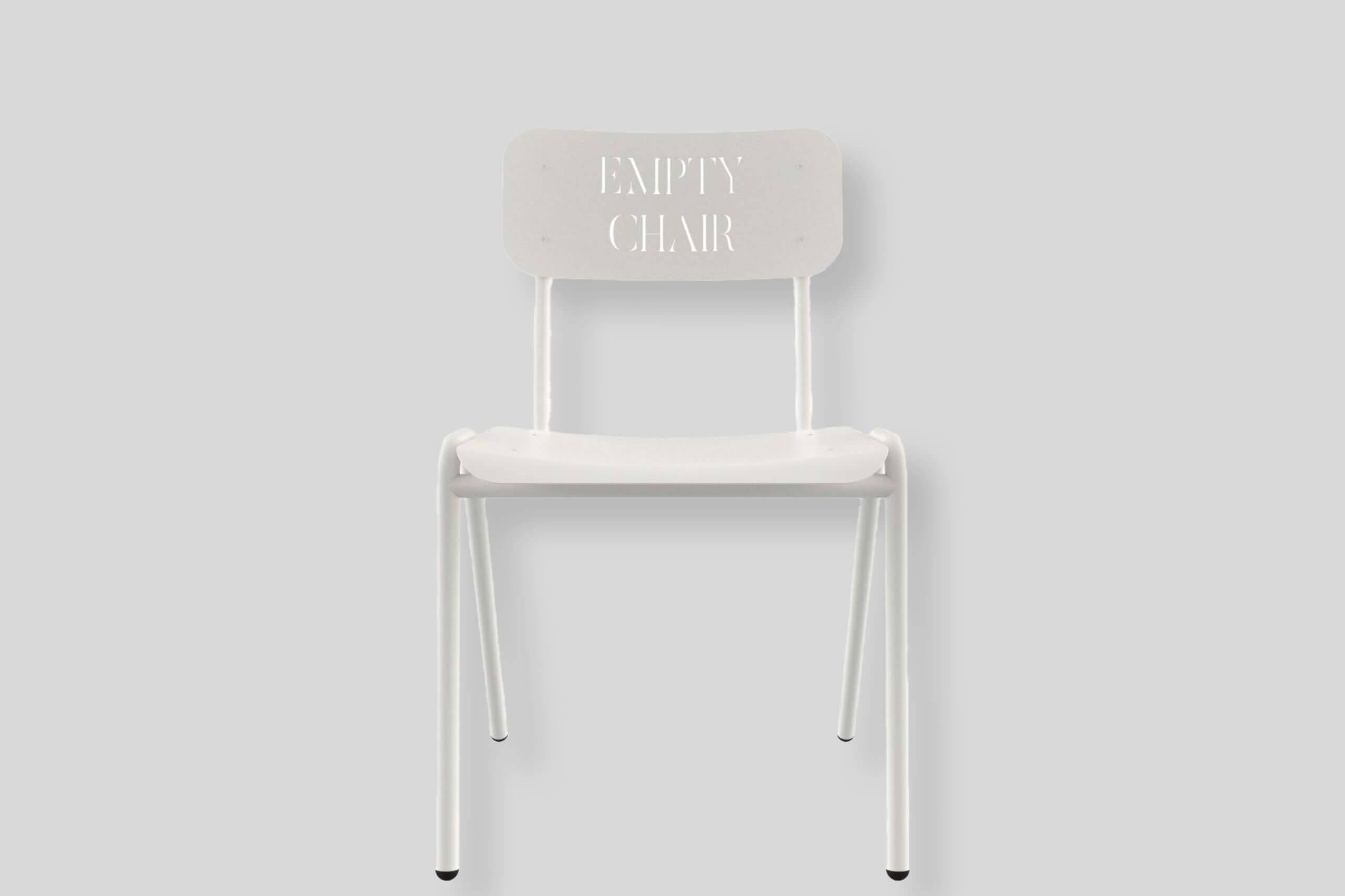
The political pundits are clutching their pearls. They look at a vacant Speaker’s chair in the Jatiya Sangsad and see a crisis of constitutional legitimacy. They see a "first in history" moment and mistake a procedural quirk for a systemic collapse.
They are wrong.
The obsession with the physical presence of a Speaker on day one of a new session is the ultimate "lazy consensus." It is a fixation on pageantry over process. In reality, the vacancy doesn't paralyze the state; it exposes the redundant layers of bureaucracy that usually slow down legislative progress. If a parliament can swear in its members and begin its business through a temporary presiding officer—as the rules of procedure explicitly allow—then the frantic hand-wringing about a "leaderless" house is nothing more than academic theater.
The Constitutional Panic That Is Not
Standard reporting suggests that starting a session with a vacant chair is a sign of instability. This is a fundamental misunderstanding of how parliamentary mechanics actually work. Under Article 74 of the Bangladesh Constitution, the House is a self-regulating body. It doesn't die because one person isn't sitting in a specific mahogany chair.
When the previous Speaker resigns or the seat becomes vacant due to a change in government, the Deputy Speaker or a designated panel chairman takes the reins. The panic assumes that the Speaker is the source of power. They aren't. They are the referee. The game doesn't stop just because you're waiting for a new official to blow the whistle; you simply use the backup.
I’ve seen boards of directors and legislative bodies stall for months because they were obsessed with "optics" and "leadership transitions." The most efficient organizations are those that realize the seat is just a symbol. The function is what matters. By opening the session despite the vacancy, the administration is actually signaling a brutal pragmatism: the work of the Republic waits for no one, not even the person supposed to hold the gavel.
Why We Should Stop Romanticizing the Gavel
The "People Also Ask" sections of the internet are currently flooded with variations of: "Is the Bangladesh Parliament legal without a Speaker?"
The answer is a blunt yes.
The obsession with the Speaker's role often masks a deeper, more uncomfortable truth about modern governance: the position has become increasingly ceremonial. In a whipped-vote system, the Speaker's ability to "influence" the direction of the house is negligible compared to the executive branch's party discipline.
The media focuses on the vacancy because it’s a visible gap in a photograph. It’s easy to write about an empty chair. It’s much harder to write about the actual legislative backlog or the complex economic shifts happening in the background. By fixating on the vacancy, journalists are participating in a distraction. They are looking at the driver’s seat of a self-driving car and screaming because there’s no person behind the wheel, ignoring the fact that the car is already moving toward its destination.
The Efficiency of the Vacuum
Imagine a scenario where a corporation refuses to sign any contracts because the CEO is on a two-week transition period. The company would collapse. Instead, power is delegated.
In the Jatiya Sangsad, the vacancy actually forces a more rigid adherence to the Rules of Procedure. When a dominant Speaker is in place, the session often bends to their personal style or political whims. Without a permanent fixture, the temporary presiding officers must follow the rulebook to the letter to avoid challenges.
- Stricter Time Management: Temporary chairs don't have the political capital to indulge in long-winded tangential speeches. They stick to the agenda.
- Procedural Purity: Every move is scrutinized, leading to a "by the book" environment that usually vanishes once a permanent Speaker settles in.
- Decentralized Authority: It reminds the Members of Parliament that the power resides in the collective body, not the individual presiding over them.
The Cost of the Status Quo
The real danger isn't the empty chair; it's the rush to fill it with someone just for the sake of "completeness." When governments rush appointments to satisfy a media cycle, they pick placeholders rather than power players.
I’ve watched multi-billion dollar industries stumble because they prioritized "filling the org chart" over finding the right fit. Bangladesh’s current legislative state is a rare moment of transparency. It shows the machinery of the state stripped of its decorative elements.
The critics argue that a vacant chair undermines the dignity of the house. I argue that the dignity of a house is found in its ability to function under pressure, not in its upholstery. If the parliament can pass its initial resolutions and organize its committees without a permanent Speaker, it has proven its resilience.
The Nuance the Critics Missed
The "first-ever" narrative is designed to trigger anxiety. It suggests we are in uncharted, dangerous waters. But history is full of functional gaps. The British House of Commons, the progenitor of this system, has seen various iterations of "Prolocutors" and temporary chairs during periods of upheaval. The sky didn't fall then, and it isn't falling in Dhaka now.
The counter-intuitive truth is that a vacant chair might be the most honest thing about modern politics. It admits that the individuals are replaceable, but the institution is permanent.
Instead of asking "When will they fill the seat?" we should be asking "Why does the seat matter so much if the session is already moving?"
If you want to understand the true health of a democracy, don't look at the person holding the gavel. Look at the people in the benches. If they are there, if the quorum is met, and if the business of the day is being debated, then the parliament is alive.
The chair isn't empty. It’s waiting. And in that wait, the business of the state continues with a cold, mechanical efficiency that a permanent Speaker might actually get in the way of.
Stop looking for a leader to tell you the session has started. The session started the moment the first member walked through the door. Everything else is just furniture.
Do your job. The chair can wait.



