Europe is at a breaking point. If you look at the numbers, the gap between the EU and the United States isn't just a gap anymore—it's a canyon. Former Italian Prime Minister Enrico Letta hasn't been shy about this. He’s spent the last couple of years shouting from the rooftops that the Single Market, once the pride of the continent, is failing to keep up. Now, with the Middle East in a state of constant, grinding conflict, the problem has shifted from "concerning" to "existential."
The "Mideast war" isn't just a headline for the evening news. It's a direct tax on European industry. When energy prices spike and trade routes through the Red Sea become shooting galleries, Europe pays the bill. While the US sits on its own vast energy reserves and China pours state billions into its tech giants, Europe is stuck in the middle, paying more for power and moving slower than everyone else. Recently making headlines lately: The Glass Cage of Progress and the Silence of Ricky Wong.
The Energy Trap and the Cost of Chaos
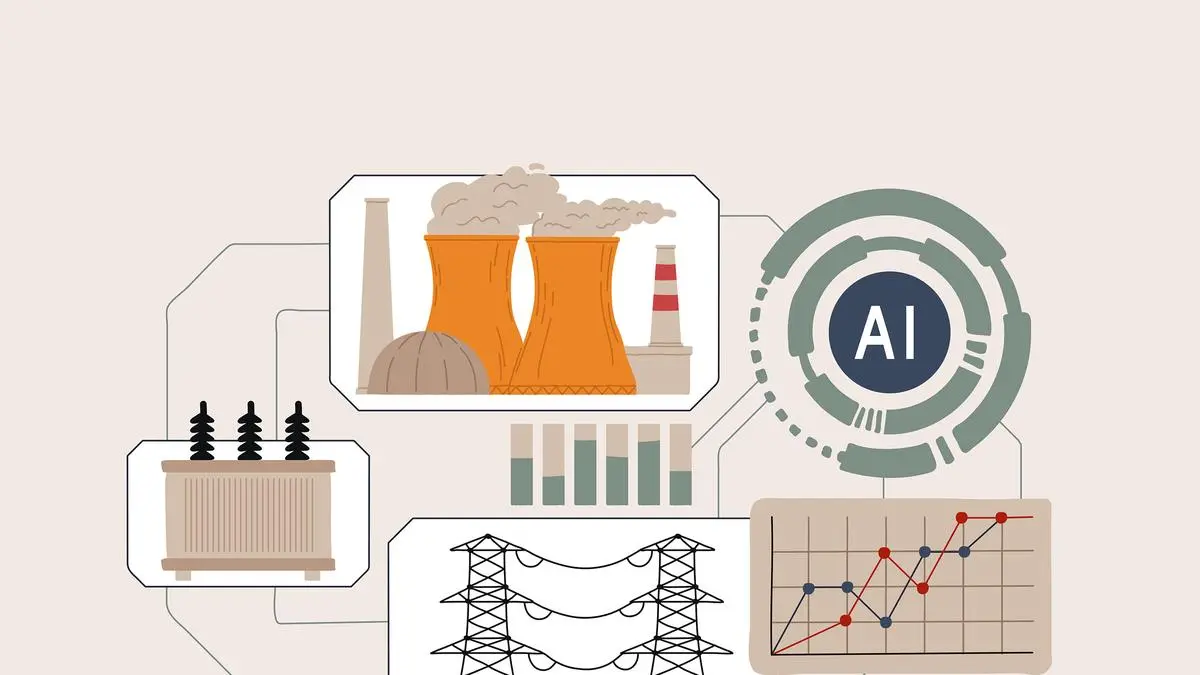
Let's get real about why the Middle East matters so much to a factory in Germany or a tech startup in Milan. Energy is the lifeblood of competitiveness. For decades, Europe relied on cheap Russian gas. That’s gone. Now, the shift to Liquified Natural Gas (LNG) and renewables was supposed to be the fix. But LNG is volatile.
Every time a missile is fired in the Middle East, the markets freak out. You see it in the data. While EU energy imports decreased by about 11% in 2025, that wasn't because of a sudden efficiency miracle—it was because prices were so high that people stopped buying. Further information regarding the matter are covered by Bloomberg.
Europe’s electricity prices for large industries have stayed stubbornly higher than in the US. In some sectors, they're double. You can’t win a race when your fuel costs twice as much as your opponent's. Letta’s point is simple: the Middle East conflict creates a "geopolitical tax" that only Europe seems to pay. The US is largely energy independent. China has secured long-term deals across the globe. Europe is the one left checking the spot price of gas every morning with a pit in its stomach.
The Single Market is Fragmented and Small
We like to talk about the "Single Market" as if it’s one giant, seamless machine. It isn't. It's 27 different sets of rules disguised as a union. Enrico Letta’s 2024 report, "Much More Than a Market," laid this bare, and by 2026, the situation has only gotten more urgent.
Think about it. If you’re a telecom company in the US, you deal with one regulator. In Europe? You deal with 27. The result is that European companies stay small. They don't scale. They can't compete with the sheer mass of Google, Amazon, or BYD.
- Investment Gap: Over the last five years, US firms invested €2 trillion more in digital tech than European ones.
- Brain Drain: Our best startups still move to Silicon Valley the second they need serious "series C" funding.
- Capital Markets: We have trillions in private savings sitting in bank accounts instead of being invested in European growth.
Letta calls for a "Savings and Investment Union." Basically, he wants to stop European money from fleeing to Wall Street to fund American companies that then come back and buy up European competitors. It's a ridiculous cycle.
Why the Middle East is the Final Straw
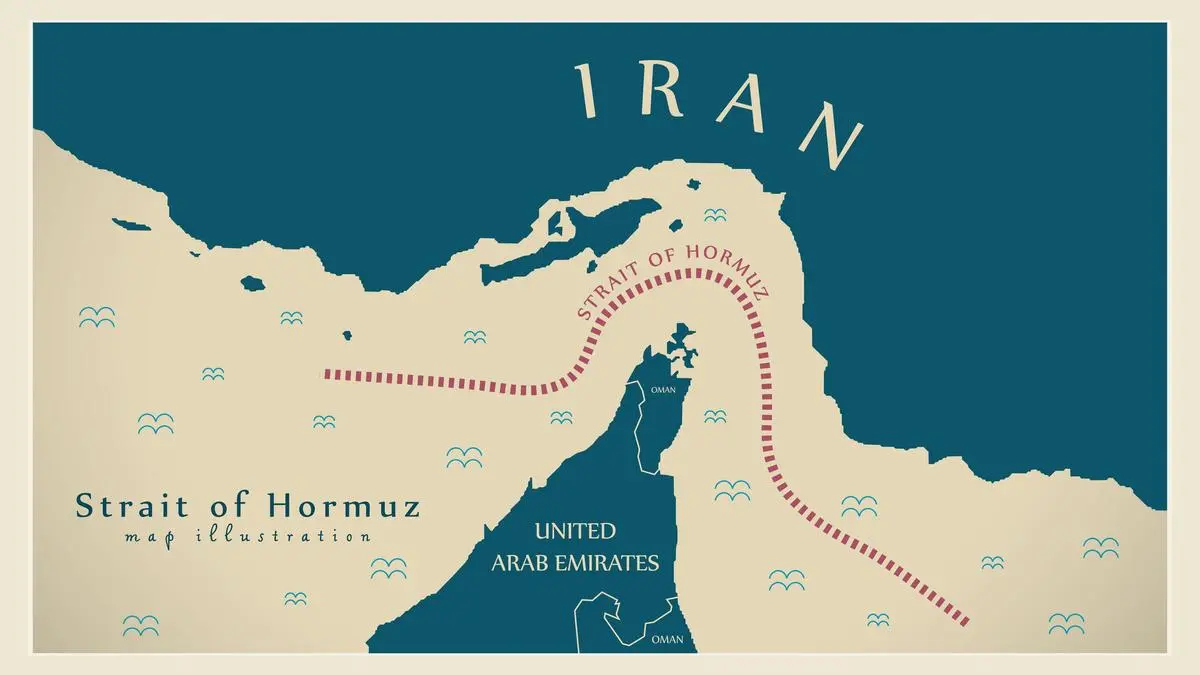
The conflict in the Middle East doesn't just hit the gas pump; it hits the supply chain. The Suez Canal is Europe’s front door. When ships have to divert around the Cape of Good Hope to avoid conflict zones, it adds ten days and hundreds of thousands of dollars to every journey.
This isn't just a "logistics issue." It’s a competitiveness killer. If a European manufacturer takes 40 days to get components that a Chinese manufacturer gets in five, who do you think wins the contract? The Mideast war has turned Europe's geographic advantage into a liability.
The Defense Dilemma
There’s another angle Letta and others are pushing: defense. For years, Europe treated defense as an afterthought. Those days are over. The "Letta Report" and the "Draghi Report" both highlight that Europe's defense industry is a mess of national silos. We build too many different types of tanks and too many different types of fighter jets.
We’re spending more now—the "ReArm Europe Plan" is proof of that—but we're not spending it together. If we don't create a real Single Market for defense, we're just throwing money into 27 different holes. The Middle East crisis, coupled with the ongoing pressure in Ukraine, has made it clear that Europe cannot rely on the "US umbrella" forever. If we can't defend ourselves, we can't be a global power. Period.
What Needs to Happen Now
Stop waiting for a "return to normal." The era of cheap energy and safe trade routes is dead. If you’re running a business in the EU, or if you’re a policymaker, the "wait and see" approach is a suicide mission.
- Consolidate or Die: Europe needs to allow its companies to grow. The obsession with "anti-trust" inside Europe is helping companies outside Europe. We need European champions, not 27 mini-competitors.
- The Savings and Investment Union: We have to make it easier for European capital to stay in Europe. This means harmonizing bankruptcy laws and tax treatments across the bloc.
- Energy Sovereignty: This doesn't just mean "more solar panels." It means a unified energy grid where Spain’s wind power can easily fuel Poland’s factories. The current fragmentation is a gift to our competitors.
- Defense Integration: Stop buying American or South Korean gear out of convenience. Invest in the European Defence Industry Programme (EDIP) and force national militaries to use the same tech.
Honestly, the "Mideast war" is a wake-up call that we’ve been snoozing through for years. Enrico Letta is right—it's a big problem. But the bigger problem is Europe's inability to move fast. If we don't fix the Single Market and solve the energy cost gap, the "European Project" will just be a museum of how things used to be.
Next steps: Check your supply chain's exposure to Suez Canal delays and look into the new EU "Simplification Package" for R&D grants. If you aren't lobbying for a more integrated energy market, you’re essentially accepting higher bills for the next decade.