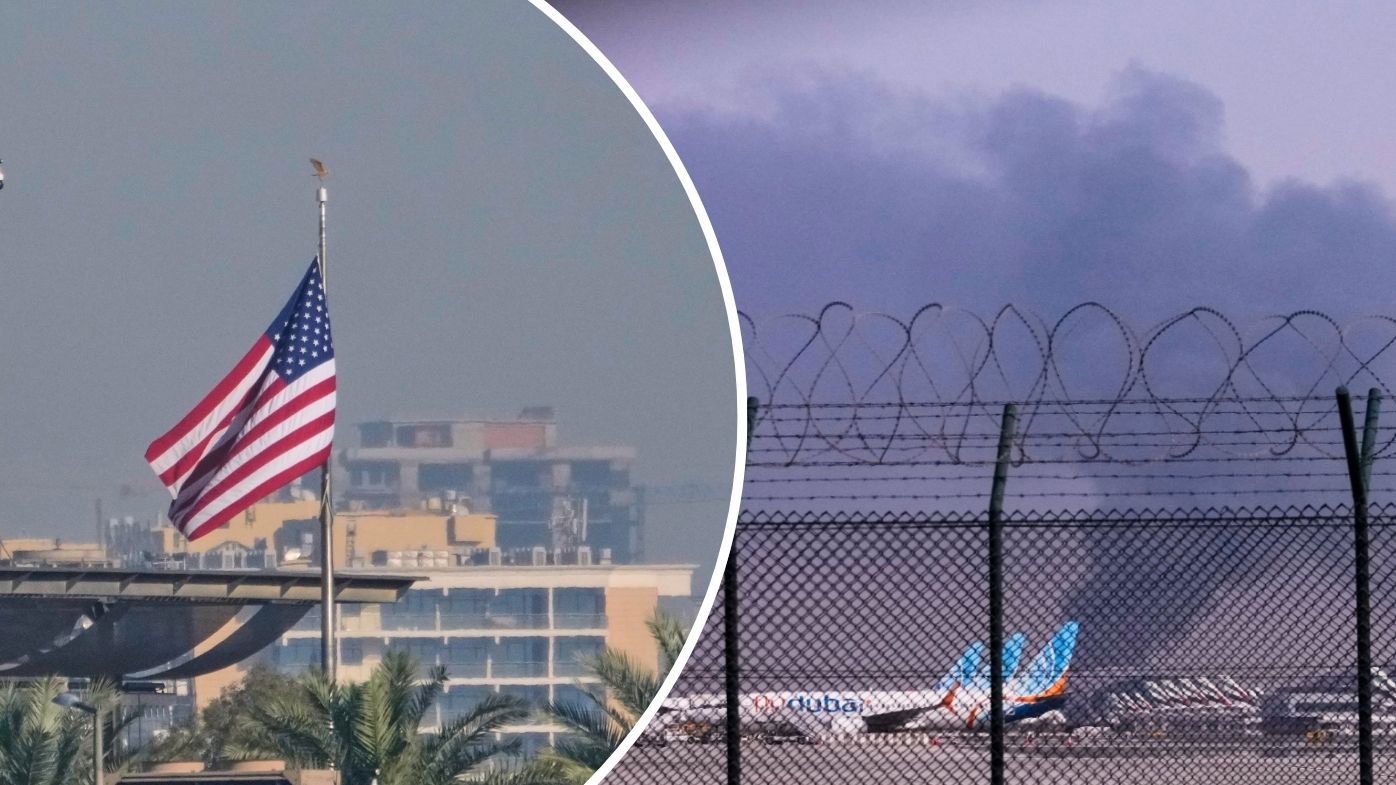
Washington wants a massive maritime coalition to stare down Tehran, but the view from Paris and Berlin looks entirely different. When the U.S. calls for an "armada" to secure the Strait of Hormuz, they aren't just asking for ships. They're asking Europe to scrap years of delicate diplomacy and sign up for a "maximum pressure" campaign that most EU leaders think is a fast track to an unnecessary war.
The rift isn't about whether the shipping lanes are dangerous. Everyone knows they are. Between mysterious limpet mine attacks on tankers and the seizure of the British-flagged Stena Impero, the Persian Gulf has turned into a giant tinderbox. The real argument is about who holds the match. While the White House sees a military escort as a deterrent, the Europeans see it as a provocation.
The fundamental disagreement over Iran
The U.S. approach under the current administration has been to squeeze Iran until it breaks. By pulling out of the 2015 nuclear deal (JCPOA) and reimposing sanctions, Washington set a course for direct confrontation. Europe didn't follow. Germany, France, and even the UK—despite its "special relationship" with the States—have tried to keep that nuclear deal on life support.
Joining a U.S.-led military mission in the Strait of Hormuz would effectively end those diplomatic efforts. It would signal that Europe has finally picked a side in the American campaign to topple the Iranian status quo. European diplomats aren't ready to do that. They’re worried that if they put their frigates under American command, they'll get dragged into a shooting war the moment a nervous sailor on either side pulls a trigger.
It's a matter of branding as much as strategy. If Europe sends ships, they want them flying a different flag. They've floated the idea of a "European-led" observation mission. This sounds like a semantic game, but in the world of high-stakes geopolitics, these distinctions save lives. A European mission says "we're here to watch the oil flow." A U.S. mission says "we're here to win."
Why Germany and France are saying no
Germany has been the loudest voice of caution. Foreign Minister Heiko Maas made it clear that Berlin won't participate in the U.S. mission because there’s no military solution to the tension. There’s also the internal politics. The German public is notoriously allergic to military intervention. For a coalition government in Berlin, sending warships to help a volatile American president shadow Iranian Revolutionary Guard boats is political suicide.
France takes a similar line but with more "grand strategy" flavor. President Emmanuel Macron wants Europe to show "strategic autonomy." He thinks Europe should be able to protect its own interests without waiting for a phone call from the Pentagon. By refusing to join the American armada, France is trying to position itself as a mediator. They want to be the ones who can still talk to Tehran when the lines of communication with Washington are totally dead.
Don't mistake this for pacifism. It's calculated. The Europeans are terrified of a "black swan" event in the Gulf—a stray missile or a ship collision—that spirals into a regional conflict. If that happens, the resulting oil price spike and refugee wave won't hit DC. It'll hit Brussels and Paris.
The British dilemma
The UK is in a tough spot. They’ve traditionally been the bridge between the U.S. and the EU. After Iran seized the Stena Impero, London realized their tankers were sitting ducks. Initially, the British government called for a European-led maritime force. But as the reality of Brexit looms and the need for a U.S. trade deal grows, the pressure to align with Washington is immense.
Even so, the British naval presence in the Gulf is stretched thin. They can't patrol the whole Strait alone. They need partners. If the rest of Europe won't play ball with the Americans, the UK might find itself as the only European power in a mission that looks more like a blockade than a patrol.
The logistics of a crowded waterway
The Strait of Hormuz is a nightmare for naval commanders. At its narrowest point, the shipping lanes are only two miles wide. About a third of the world's sea-borne oil passes through here. It's not the open ocean where you have room to maneuver. It's a hallway.
Iran knows this. They don't need a massive navy to cause chaos. They have hundreds of fast-attack boats, sea mines, and shore-based missile batteries. If a U.S.-led armada starts aggressive patrolling, the chances of a "miscalculation" skyrocket.
- The Mine Threat: Even a few cheap mines can shut down the Strait for weeks.
- Asymmetric Warfare: Iranian swarming tactics can overwhelm the sophisticated sensors of a billion-dollar destroyer.
- Communication Gaps: If a French ship is in the same waters as a U.S. ship but they aren't sharing a command structure, the risk of friendly fire or confused responses increases.
Europe's refusal to join isn't just about being difficult. It's about a legitimate fear that more "gray hull" ships in a tight space will lead to more accidents, not fewer.
Looking for a middle ground
Is there a way out? Maybe. Europe is currently exploring a maritime surveillance mission that would operate independently of the U.S. Operation Sentinel. This would involve sharing intelligence and perhaps some coordinated patrolling, but without the "combat-ready" posture the U.S. prefers.
The goal is de-escalation. By maintaining a presence that isn't explicitly tied to the "maximum pressure" campaign, Europe hopes to provide security for merchant vessels without giving Iran a reason to start shooting. It's a narrow path to walk.
Tehran has already warned that any "foreign" presence in the Gulf is unacceptable. They've suggested that regional powers—like Oman, Iraq, and the UAE—should be the ones securing the water. But given the regional rivalries, that's a pipe dream. Someone has to be there. The question is whether they come with a handshake or a fist.
What happens next for global energy security
The standoff in the Hormuz isn't going away. If the U.S. moves forward with its mission and Europe stays on the sidelines, we'll see a fractured security environment. This creates openings. If the Western alliance can't agree on how to guard the world's most important oil artery, don't be surprised if China or Russia starts sniffing around. They have a vested interest in keeping the oil moving, too.
For now, expect a lot of "consultations" and very little action. Europe will continue to talk about its own mission while hoping the U.S. doesn't do anything too drastic. The Americans will continue to grumble about "free riders" who want the security of the Gulf without paying the price.
If you're tracking this, watch the movements of the French and Italian navies. If they start deploying assets to the region under their own national flags, it means the "European mission" is actually happening. If they stay home, it means the U.S. is on its own.
Keep an eye on the insurance rates for tankers. When Lloyd’s of London marks the Gulf as a high-risk zone, the cost of moving oil goes up for everyone. Whether there's an armada or not, your gas prices are already being affected by this diplomatic chess match. Pay attention to the diplomatic cables coming out of Brussels over the next month; they'll tell you if the "European-led" force is a real plan or just a convenient excuse to stay out of Trump's way.