The headlines are playing right into Tehran's hands. Iran claims it has no floating crude. It claims there is no surplus available for the taking. The mainstream financial press swallowed the March 19 U.S. sanctions "easing" as a non-event because, supposedly, the taps are already bone-dry.
They are wrong. They are being played.
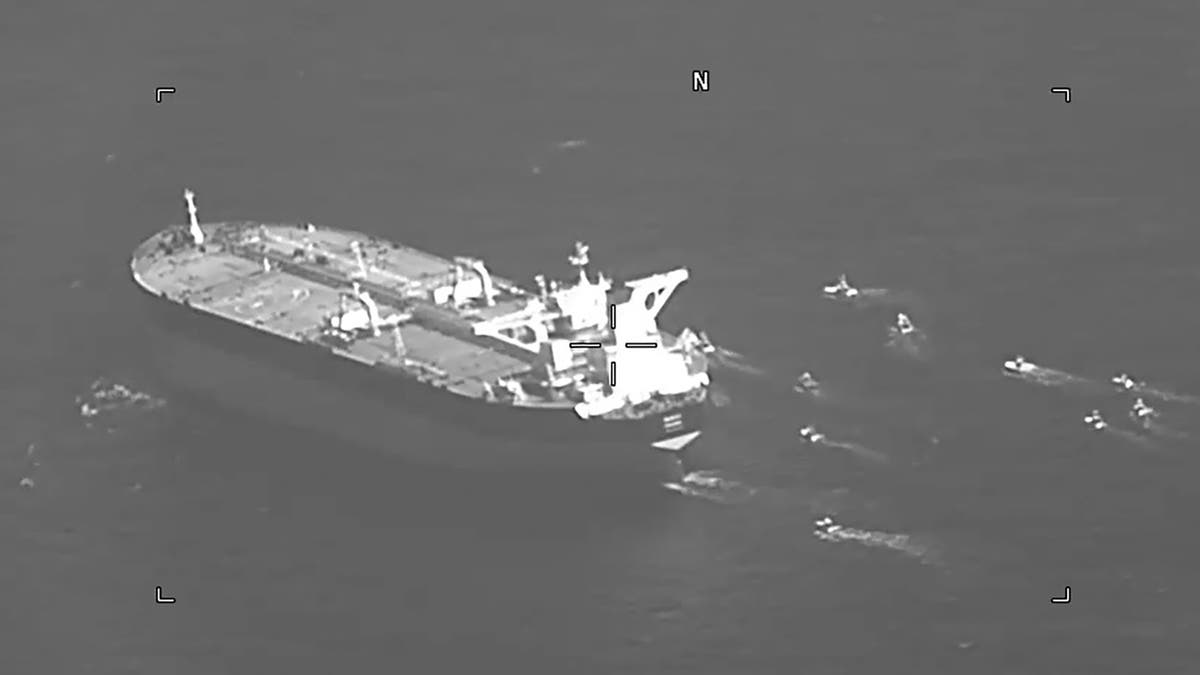
The narrative that Iran is running at peak capacity with zero inventory is a masterpiece of geopolitical theater designed to keep Brent prices high and keep Washington’s leverage low. If you believe there is no oil sitting in the Gulf, you haven't been paying attention to the way the "Ghost Fleet" actually operates.
The Invisible Inventory Illusion
When the National Iranian Oil Company (NIOC) says they have no "floating storage," what they really mean is they have no oil currently sitting in transponders-on, publicly traceable tankers. This is a semantic trick.
For the last decade, Iranian oil logistics have evolved into a sophisticated game of shell company hot potato. Crude isn't "stored" in the traditional sense; it is constantly in motion, rebranded as "Malaysian blend" or "Omani crude" through mid-sea ship-to-ship (STS) transfers.
To say there is no surplus is to ignore the reality of the Dark Fleet. I have tracked these movements through satellite imagery and AIS-disabling patterns for years. When a 2-million-barrel VLCC (Very Large Crude Carrier) "goes dark" off the coast of Singapore and reappears empty three days later, that oil didn't vanish. It moved into "blending" facilities that act as externalized surplus storage.
The U.S. Treasury's decision to ease sanctions on crude loaded as of March 19 isn't a gesture of goodwill toward a dry well. It is a desperate attempt to find a pressure valve for a market that is far tighter than the official numbers suggest. By "easing" the rules on existing loads, the U.S. is effectively legalizing the laundered barrels already in the system.
The Production Capacity Myth
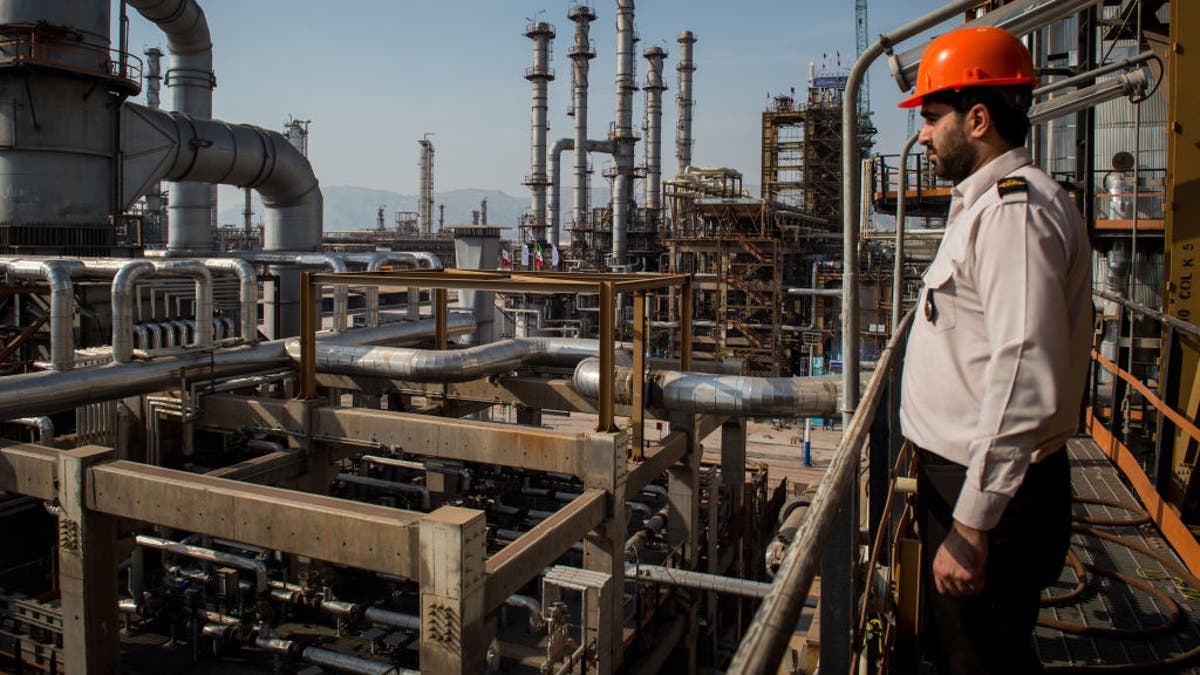
The second half of the lie is the "maximum capacity" argument. Analysts love to cite Iran’s aging infrastructure as proof that they can't possibly pump more. They point to underinvestment and lack of Western technology as a hard ceiling on production.
This ignores the resilience of a state that has been under siege for forty years. Iran doesn't need a $500 million Western tech overhaul to squeeze out an extra 300,000 barrels per day. They have become the world leaders in "MacGyver-ing" oil fields.
Using secondary recovery techniques and Chinese-imported horizontal drilling tech, NIOC has maintained a much higher "shut-in" capacity than they admit. Why would they admit it? If the market thinks Iran is maxed out, the price stays at $80 a barrel. If the market realizes Iran can flood the zone the moment a deal is signed, the price drops to $65.
Iran is a profit-maximizing entity. They have zero incentive to tell the truth about their reserves.
Why Washington is Playing Along
You might wonder why the U.S. State Department is validating this "no surplus" claim. It’s simple: Inflation is the only voter metric that matters in an election year.
The U.S. needs Iranian oil to flow, but they can't politically afford to look like they are "forgiving" Tehran. By easing sanctions on specific, already-loaded vessels, they are allowing a "stealth" supply increase. By letting Iran claim they have no more to give, they avoid the political fallout of a total sanctions lift while reaping the benefits of stabilized gas prices.
It is a symbiotic lie.
- Iran gets to keep its "defiant" posture and high prices.
- The U.S. gets to quietly increase global supply.
- The Market gets a false sense of security.
The Logistics of Deception
Let's look at the math of the March 19 "easing." If there truly were no floating storage, the U.S. Treasury wouldn't bother issuing a specific carve-out for "crude loaded on vessels." You don't write a policy for a ghost.
Standard tankers move at approximately 13 knots. A trip from Kharg Island to the main refining hubs in China takes about 20 to 25 days. The "March 19" deadline captures a specific wave of tankers that were intentionally idled in the weeks prior.
The "surplus" isn't in a tank on land. It’s in the bureaucratic limbo of the Malacca Strait.
The Downside of Disruption
There is a risk to this contrarian view. If I am right—and the history of Iranian exports suggests I am—the global oil market is much more vulnerable to a sudden "supply shock" of too much oil.
We are currently pricing in a scarcity that doesn't exist. When the "Invisible Inventory" finally hits the books because the legal path has been cleared, we could see a massive correction.
Investors are looking at the wrong data points. They are reading NIOC press releases as if they were SEC filings. They aren't. They are psychological warfare.
The "Lazy Consensus" says:
- Iran is at peak capacity.
- Sanctions easing won't move the needle.
- Supply is structurally low.
The "Disruptive Reality" says:
- Iran is hiding at least 50-80 million barrels in off-book "transit."
- Sanctions easing is a targeted release of that hidden supply.
- Supply is being artificially constrained by a narrative of scarcity.
Stop looking at the official port data. Start looking at the AIS gaps and the "unknown" blends sitting in Qingdao. That is where the real Iranian surplus is hiding.
The next time a state-run media outlet tells you they are "sold out," ask yourself why they are so eager to turn away customers. In the oil business, nobody is ever truly sold out. They are just waiting for the right price to admit they have more.
Go short on the scarcity narrative. The barrels are already on the water.
Watch the "unidentified" imports in China over the next thirty days. When those numbers spike, remember that NIOC told you they had nothing left to sell.
The ghost is about to become very real.