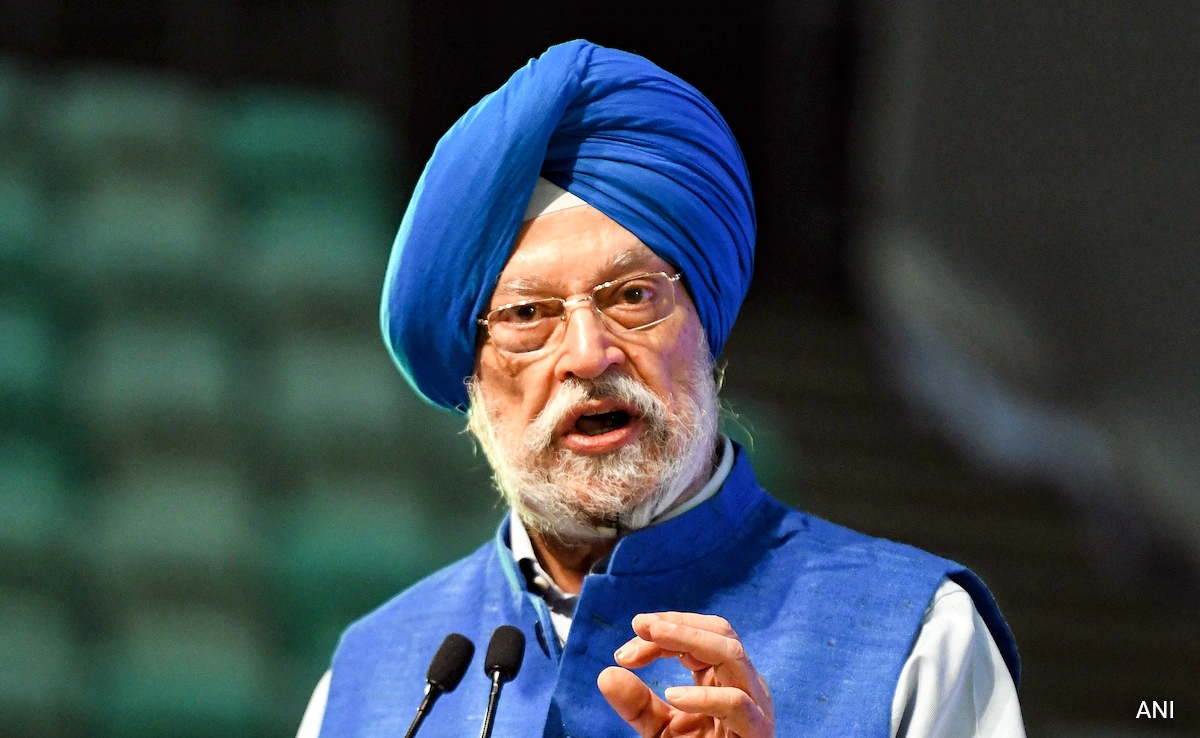
Hardeep Singh Puri just touched down in Doha for a two-day mission that isn't your typical diplomatic meet-and-greet. It's a high-stakes scramble for energy security. While most news cycles are obsessed with the noise of the West Asia conflict, the real story is happening in the boardrooms of QatarEnergy. India’s Petroleum Minister is there because the math of India's energy grid just stopped adding up.
Regional tensions between the US, Israel, and Iran haven't just created headlines. They’ve physically damaged the pipes and ports that keep India running. Qatar recently had to halt liquefied natural gas (LNG) production after its facilities were hit. For a country like India, which gets 45% of its LNG and 20% of its cooking gas (LPG) from Qatar, that’s not a minor inconvenience. It’s a crisis. Also making headlines in this space: The Brutal Math Behind the Global Middle Distillate Crunch.
The urgent math of energy security
Let’s be blunt. India can’t function without Qatari gas. Right now, state-run companies like GAIL and IOCL have already been forced to slash industrial gas deliveries by 30% to 40%. You don’t notice it immediately at your stove, but fertilizer plants and factories sure do.
The timing of this visit—April 9 and 10, 2026—is calculated. A tentative ceasefire between the US and Iran has opened a tiny window of hope. Puri isn't just there to offer handshakes. He's there to make sure India is at the front of the line the second the taps turn back on. Additional information into this topic are covered by The Economist.
If Qatar restarts production today, Europe will be fighting for those shipments too. Puri’s job is to leverage the $78 billion mega-deal India signed to extend LNG cooperation through 2048. He needs to remind Doha that India isn't just a customer; it’s a strategic partner that stayed at the table when the region started burning.
What's actually happening on the ground
The disruption at the Strait of Hormuz has been brutal. Usually, about 189 million standard cubic metres of gas flow into India daily. Roughly 47 million of that just vanished because of "force majeure" declarations. That’s a fancy legal term for "we can’t send you the gas because someone blew up the infrastructure."
India’s strategic reserves only cover about 40 to 50 days. That’s a razor-thin buffer for 1.4 billion people. Puri told Parliament recently that 70% of India’s crude is now taking the long way around Africa to avoid the conflict zones. It’s expensive. It’s slow. And it’s not sustainable for gas.
The LPG pressure cooker
If you think this is only about industrial policy, you’re wrong. This is about the 333 million Indian households that rely on LPG cylinders. Qatar is the bedrock of that supply. If the domestic supply chain breaks, prices don't just go up—the gas simply isn't there.
The Indian government has already invoked the Essential Commodities Act. They’ve prioritized piped gas and CNG for cars at 100% supply, but fertilizer plants are being choked at 70%. If those plants stay throttled, food prices will be the next thing to spike. Puri’s two days in Doha are basically a mission to prevent a massive inflation spike back home.
The long-term play beyond the crisis
While the immediate focus is "please turn the gas back on," there’s a deeper layer to this trip. India and Qatar are trying to double their bilateral trade to $30 billion by 2030. It’s not all about fossils.
- Investment: The Qatar Investment Authority (QIA) is looking at a $10 billion commitment to India.
- Technology: Discussions are moving into 5G, digital payments, and port infrastructure.
- The Diaspora: Over 800,000 Indians live in Qatar. Their safety and economic stability are always on the hidden agenda.
Why the visit actually matters
This isn't just about "bilateral ties." It’s about survival in a volatile market. Puri is a seasoned diplomat who knows that in the Middle East, presence is everything. By being there physically while the smoke is still clearing, India is signaling that it is a reliable, long-term buyer that won't flinch.
The goal for these 48 hours is simple. Secure a "priority status" for India’s LNG shipments. Ensure the force majeure doesn't become a permanent supply cut. Negotiate a roadmap for the $78 billion extension deal that was supposed to provide stability through 2048.
Watch the shipping data over the next week. If we see LNG tankers moving toward Indian ports again, you’ll know Puri got what he came for. If the industrial supply cuts continue, we’re in for a very expensive summer.
Keep an eye on the official statements from the Ministry of Petroleum once he returns. Don't look for the fluff about "cultural ties." Look for specific mentions of cargo schedules and restoration of supply volumes to fertilizer plants. That’s the only metric that matters right now.