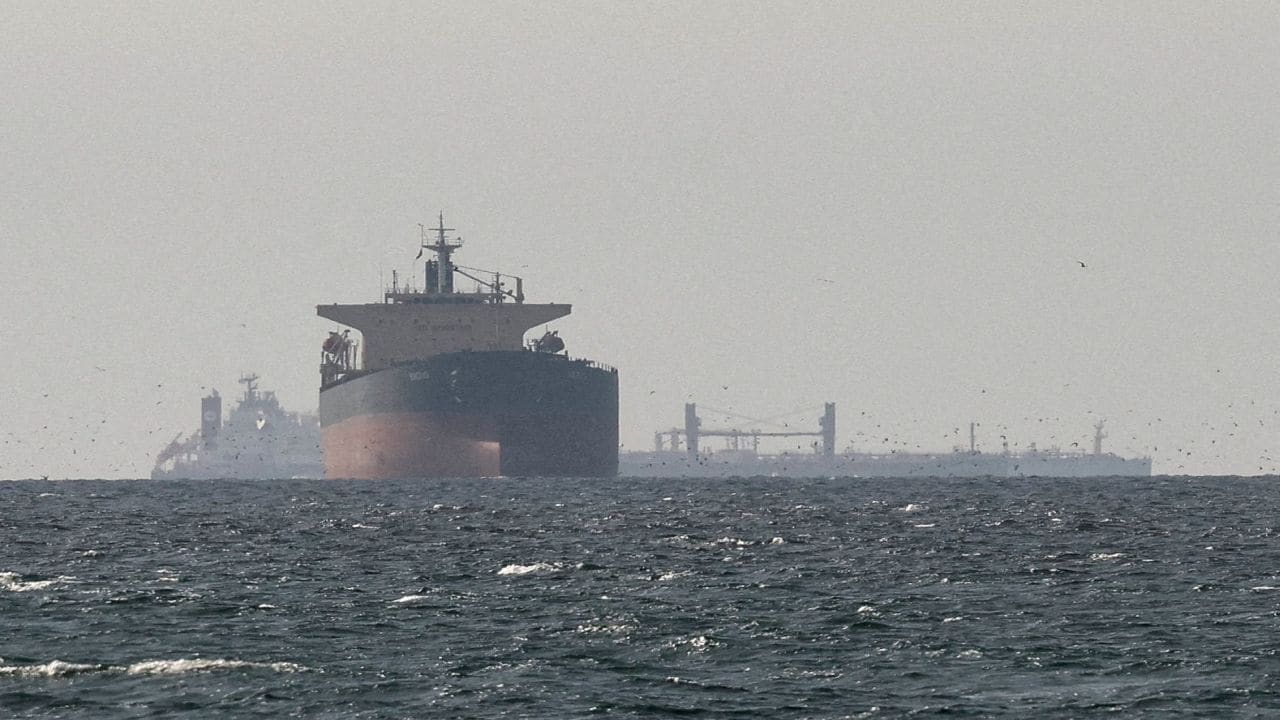
The global food system is red-lining. While politicians bicker over carbon credits, a much more immediate threat is quietly hollow out the soil. We’re facing a massive fertiliser shortage that’s already pushing food prices to breaking points in vulnerable regions. Now, the United Nations is throwing its weight behind a diplomatic push for a Hormuz fertiliser proposal. It’s a high-stakes play to get life-sustaining nutrients out of Russia and Belarus and onto the farms that need them most.
If this sounds familiar, it's because it mimics the grain deal logic. We saw how the world scrambled when Ukrainian wheat was trapped. But grain is the finished product. Fertiliser is the raw fuel. Without it, next year’s harvest doesn’t just shrink—it disappears. The Strait of Hormuz and the complex diplomatic back-channels currently in play represent the most realistic path to stopping a full-blown famine cycle.
The Real Reason Your Grocery Bill is Skyrocketing
Most people think food prices are just about inflation or gas. They’re wrong. The invisible hand driving these costs is the price of nitrogen, phosphorus, and potassium. Russia and Belarus together control nearly 40% of the global export market for potash. When the war in Ukraine started and sanctions hit, that supply didn't just slow down. It hit a wall.
Sanctions technically shouldn’t apply to food or fertiliser. Everyone says that. Western officials repeat it like a mantra. But the reality on the ground is messier. Banks are terrified of "over-compliance." They won't process payments for Russian shipments even if they’re legal. Shipping companies don't want to risk their vessels in high-tension zones. Insurance premiums have gone through the roof. This "chilled" effect has left millions of tons of fertiliser sitting in warehouses while farmers in Brazil, India, and across Africa watch their crops fail.
The UN’s latest push is about more than just a piece of paper. It’s about creating a "green corridor" that gives banks and insurers the legal cover they need to move these goods. It’s a recognition that we can’t punish a regime by starving the rest of the planet.
Why the Strait of Hormuz is the New Diplomatic Ground Zero
You usually hear about the Strait of Hormuz in the context of oil tankers and naval standoffs. It’s a narrow choke point. It’s volatile. But it’s also becoming the pivot point for this fertiliser deal. The proposal involves using regional intermediaries—think Qatar or the UAE—to facilitate the logistics and financial clearing for these shipments.
By routing the diplomatic effort through these Middle Eastern hubs, the UN hopes to bypass the direct "East vs. West" friction. It’s a clever bit of geography. These nations have the infrastructure and, more importantly, the neutral political standing to act as the world’s "honest brokers." They can handle the payments without triggering the same red flags that a direct transaction between Moscow and a Western bank would.
The proposal aims to create a streamlined inspection and verification process. It ensures that only fertiliser is moving through these channels. It’s not about giving Russia a win. It’s about preventing a situation where the global south pays the ultimate price for a European war.
The Cost of Doing Nothing is Measured in Lives
Let’s look at the numbers because they’re terrifying. In some parts of Sub-Saharan Africa, fertiliser prices tripled in less than two years. When a smallholder farmer can’t afford nutrients, they don’t just buy less. They plant less. Or they plant without fertiliser, which leads to yields that are 30% to 50% lower than average.
Rice production in Southeast Asia is also under threat. Rice is a "hungry" crop. It needs nitrogen. If the Hormuz proposal fails, we’re looking at a global rice deficit that could trigger civil unrest in dozens of countries. We’ve seen this movie before. The 2008 food riots weren't caused by a lack of food, but by the fear of it. We’re teetering on that same edge right now.
The UN warns that the window to act is closing. Farming has a rhythm. You can’t just "turn on" a harvest because a deal was signed in October if the planting season was in May. Every week of diplomatic stalling translates to thousands of acres of unplanted land.
Breaking the Sanction Deadlock Without Losing Face
The biggest hurdle isn’t logistics. It’s pride. Western nations don't want to look like they’re softening on Russia. Moscow doesn't want to look like it’s begging to export. This is where the UN’s "technical" approach shines. By framing this as a humanitarian necessity—which it absolutely is—both sides get an out.
The Hormuz fertiliser proposal focuses on "de-risking" rather than "de-sanctioning." It’s a subtle but vital distinction. It means creating specific, monitored financial pipes that can only be used for fertiliser. It’s a closed-loop system.
Critics say this helps the Russian economy. Sure, it brings in some revenue. But compare that to the alternative. If we let the global food supply chain collapse, the geopolitical chaos that follows will be far more expensive and dangerous than any revenue Russia gains from potash sales. We have to be pragmatic. Sometimes you have to deal with people you don't like to keep the lights on—or in this case, to keep the world fed.
What This Means for Global Markets
If this deal goes through, expect a cooling effect on global commodity prices. It won't happen overnight. It takes months for fertiliser to hit the soil and even longer for that to turn into cheaper bread or rice. But the "fear premium" currently baked into market prices would vanish.
Investors are watching this closely. The agricultural sector is desperate for stability. Right now, everyone is guessing. Is there going to be enough NPK (nitrogen, phosphorus, potassium) for the next cycle? That uncertainty leads to hoarding and price gouging. A solid, UN-backed corridor through Hormuz provides the certainty the market craves.
It also sets a precedent. If we can solve the fertiliser crisis through creative diplomacy in the Middle East, maybe we can apply that same logic to other critical supply chains. We’re moving into a world where "neutral" hubs are going to be the only way global trade functions.
The Immediate Steps for Stakeholders
This isn't just a story for diplomats. If you’re involved in the food supply chain or even just a concerned consumer, you need to track these developments. The success of the Hormuz proposal will be the lead indicator for food inflation in late 2026 and 2027.
Governments in importing nations shouldn't wait for the ink to dry. They need to start preparing their internal logistics to receive and distribute these shipments the moment they’re released. That means fixing port bottlenecks and ensuring credit lines are ready for local distributors.
For the rest of us, it’s a reality check. Our food security is fragile. It depends on a narrow strait in the Middle East and the ability of sworn enemies to agree on the price of dirt. The Hormuz proposal is the only serious plan on the table. It’s messy, it’s politically awkward, and it’s absolutely necessary. We should all be rooting for its success because the alternative is a world that’s a lot hungrier and much more dangerous. Watch the diplomatic cables coming out of New York and Doha. That’s where the real battle for the world’s dinner table is being fought.