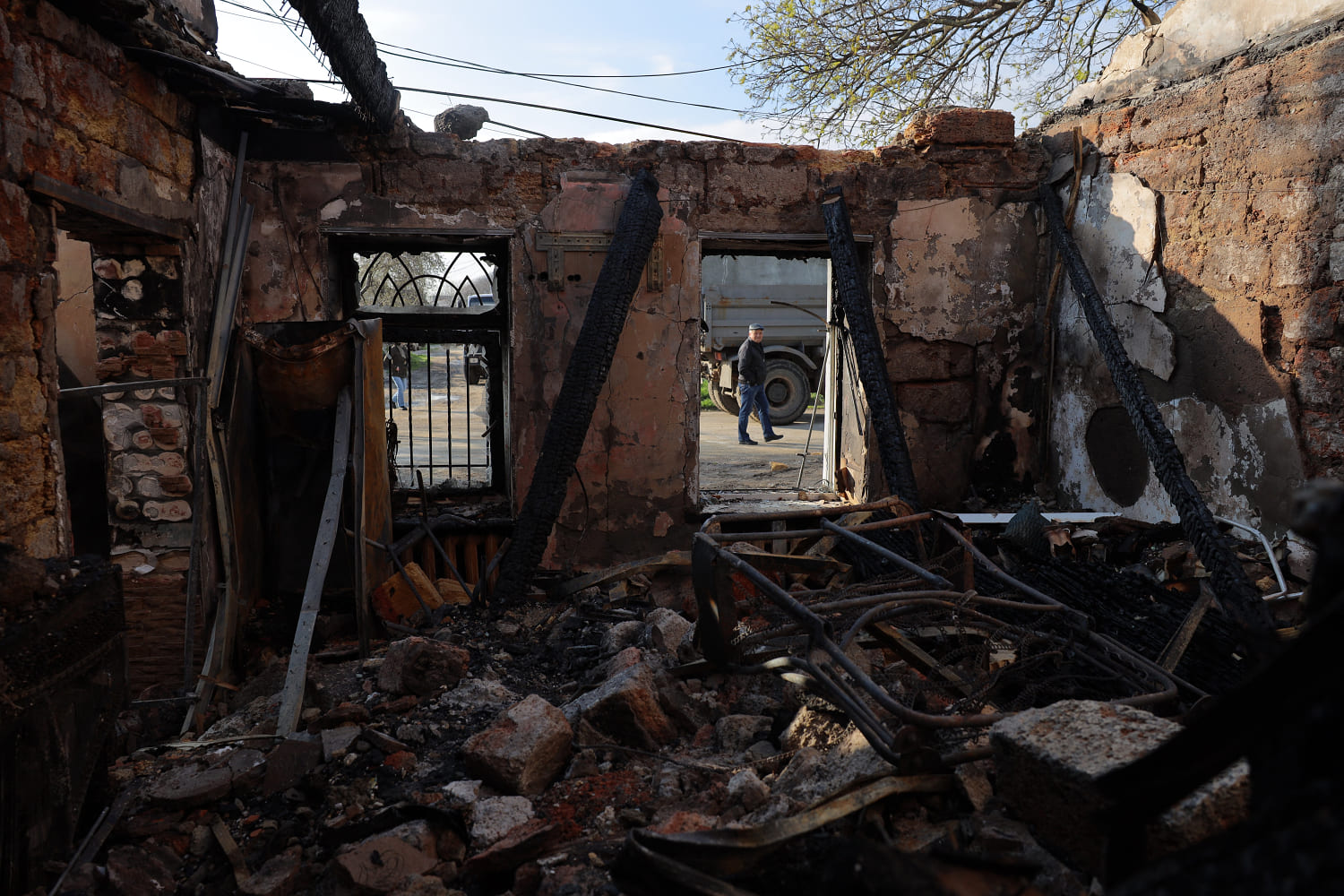
The timing was calculated with the kind of grim irony that has come to define this conflict. Just hours before a unilateral 32-hour ceasefire was set to begin for Orthodox Easter, Russian drones swarmed the port city of Odesa. By the time the sun rose on Saturday, April 11, 2026, two civilians were dead, a kindergarten lay in ruins, and the very concept of a "humanitarian gesture" had been exposed as a strategic decoy. This is the brutal reality of modern attrition. It is a theater where piety is used as a smokescreen for rearming, and where the promise of a holy day is preceded by a rain of fire designed to maximize psychological fatigue before the guns supposedly go silent.
The Architecture of a Pre-Ceasefire Surge
Military analysts have long noted a pattern in Kremlin-dictated pauses. When Vladimir Putin announced a halt to hostilities from 4 p.m. Saturday through Sunday, the seasoned observers in Kyiv didn't reach for their prayer books; they reached for their helmets. History has taught them that a ceasefire in this theater is rarely a step toward peace. Instead, it is a logistical reset.
The overnight assault on Odesa was massive in scale. The Ukrainian Air Force reported 160 drones launched across the country, a saturation tactic intended to bleed dry the sophisticated Western-supplied air defense systems that guard the Black Sea coast. While 133 were intercepted, the sheer volume ensured that some would find their mark. In Odesa, they hit home. The strike on a residential block didn't just kill two people; it shattered the quiet of a community preparing for one of the most sacred dates on the Julian calendar.
There is a specific cruelty in targeting a kindergarten on the eve of a religious holiday. It serves as a reminder that no space is off-limits and no timing is accidental. By escalating the violence immediately before the clock strikes the ceasefire hour, Moscow attempts to dictate the emotional terms of the war. They want the Ukrainian populace to enter the period of "silence" not with a sense of relief, but with the fresh trauma of the night before.
The Logistics of Mercy
While the drones were falling on Odesa, a different kind of movement was happening at the border. Saturday saw a significant prisoner exchange, with 175 Russian soldiers and an equal number of Ukrainian service members returning home. Seven civilians were also released. To the casual observer, this looks like the machinery of diplomacy finally clicking into place.
The reality is more transactional. These swaps are the only functional communication channel left between the two warring states. By bundling a high-profile prisoner exchange with a holiday ceasefire, the Kremlin crafts a narrative of magnanimity for its domestic audience. It allows the state-controlled media in Moscow to pivot from the images of burning apartment blocks in Odesa to the sight of returning "heroes."
It is a maneuver designed to satisfy the Russian Orthodox Church, which remains a cornerstone of Putin’s internal support. For the mothers waiting at the border, like Svitlana Pohosyan, the geopolitics matter little. She only wants to hold her son. But for the strategists in the Ministry of Defense, these men are assets being recovered before the next inevitable push.
A Ceasefire Without Verification
President Volodymyr Zelenskyy’s response was a study in weary pragmatism. He agreed to abide by the 32-hour window but warned of a "strict response in kind" to any violation. This is the trap of the unverified ceasefire. Without international monitors on the ground—something Moscow has consistently blocked—there is no objective way to measure compliance.
- The Energy Factor: Ukraine had previously proposed a specific pause on targeting energy infrastructure. Russia ignored it.
- The Drone War: Even as the ceasefire was announced, 99 Ukrainian drones were reportedly downed over Russian territory and occupied Crimea.
- The Attrition Cycle: A 32-hour pause is exactly long enough to move mobile artillery units and replenish frontline ammunition stocks without the threat of immediate counter-battery fire.
We are seeing a war that has moved past the stage of grand territorial maneuvers and into a phase of structural exhaustion. Russia’s "humanitarian" pauses are often perceived by the Ukrainian high command as a way to disrupt the momentum of Ukrainian drone strikes on Russian oil refineries, which have begun to seriously pinch the Kremlin's war chest. If you can stop the drones for 32 hours under the guise of religious observation, you buy your engineers 32 hours of uninterrupted repair time on a cracked distillation tower.
The Black Sea Gambit
Odesa remains the ultimate prize and the ultimate target. As Ukraine's primary gateway for grain and commerce, its stability is tied to the nation's economic survival. By keeping Odesa in a state of perpetual high-alert, Russia ensures that the cost of insurance for shipping remains astronomical and that the city’s population remains on edge.
The strike on April 11 was not a tactical necessity. It did not hit a command center or a fuel depot. It hit a dormitory and a kindergarten. In the cold logic of this fifth year of full-scale war, the target was the spirit of the city. The message was clear: there is no sanctuary, not even in the shadow of the cross.
As the 4 p.m. deadline approached on Saturday, the sirens in Odesa finally went quiet. But it was a heavy silence. The residents know that the drones will return the moment the 32 hours expire, or perhaps sooner, if a "provocation" is manufactured to justify a breach. The ceasefire is not a bridge to a settlement; it is a comma in a sentence that continues to be written in blood.
The most telling detail of the weekend wasn't the silence of the guns, but the smoke still rising from the residential ruins in Odesa. You don't prepare for a holy day of peace by killing the people who intend to celebrate it. You do it to remind them that their lives are subject to a schedule set in Moscow, one that values the ritual of the ceasefire far more than the lives of the people it is meant to protect.



