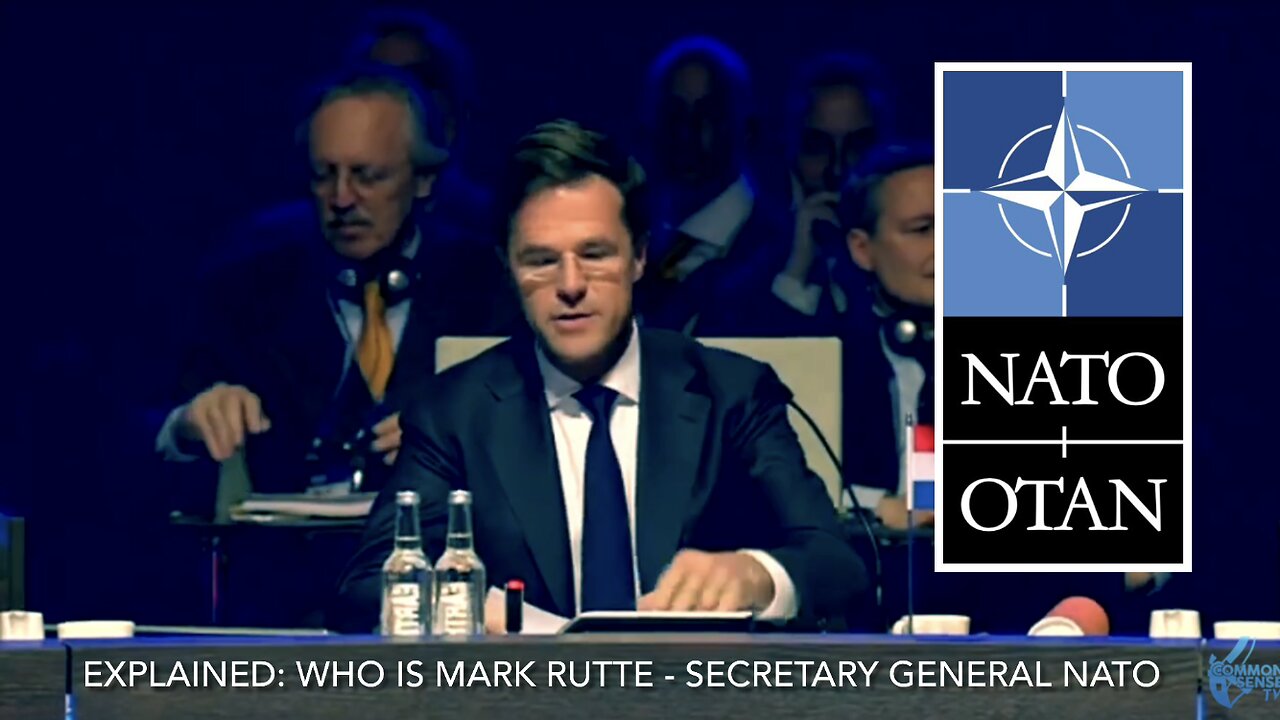
Mark Rutte didn't become the "Teflon Prime Minister" of the Netherlands by accident. He survived over a decade of Dutch coalition chaos by being the guy who could talk to anyone, even the people he couldn't stand. Now, as the head of NATO, he’s facing his biggest test yet—convincing Donald Trump not to walk away from the alliance. And he's doing it with a strategy that has some people cringing and others calling it a stroke of genius.
If you’ve seen the headlines about Rutte calling Trump "Daddy," you might think the NATO chief has finally lost it. But there’s a method to the madness. In a world where the US president demands 5% of GDP for defense and regularly threatens to leave Europe to its own devices, Rutte has realized that traditional diplomacy won't work. He’s not treating Trump like a standard bureaucrat; he’s treating him like the head of the family.
The weirdest nickname in diplomacy
The "Daddy" comment didn't come out of nowhere. During a press briefing at the NATO summit in The Hague last year, Rutte used an analogy to describe the relationship between the US and Europe. He compared worried European nations to small children asking their father if he was still going to stay with the family. It was a risky move, but it worked. Trump loved it, calling the remark "very affectionate."
But fast forward to April 2026, and the honeymoon phase is over. Rutte is meeting Trump in Washington this week, and the stakes are much higher than a few viral soundbites. The "Daddy" strategy is under immense strain because the demands from the White House are getting harder for Europe to meet. Trump isn't just asking for the 2% defense spending target anymore; he’s pushing for a massive 5% of GDP.
For many European leaders, that number is impossible. It would mean gutting social programs, healthcare, and education to buy more fighter jets and tanks. Rutte’s job is to bridge that gap. He has to keep Trump feeling like the respected patriarch while gently telling him that the kids can't afford the bills he's sending home.
Playing the long game at Mar-a-Lago
Rutte is one of the few European leaders who actually seems to enjoy the challenge of handling Trump. While others like Emmanuel Macron have tried to out-intellectualize him or stand up to him with grand speeches, Rutte goes for the personal connection. He knows that with Trump, the vibe of the meeting matters just as much as the policy points.
When Rutte heads to Mar-a-Lago or the White House, he doesn't bring a stack of dry reports. He brings praise. He has been vocal about how Trump was right all along—back in his first term—about Europe being "freeloaders" on defense. By giving Trump the win on the rhetoric, Rutte hopes to win concessions on the reality.
This isn't just about flattery. It’s about survival. The alliance is facing a massive crisis of existence. If the US pulls back, NATO essentially becomes a paper tiger. Russia is watching, Putin’s war machine is still churning, and the eastern flank of Europe is terrified. Rutte’s "Daddy" strategy is basically a human shield for the entire continent.
Why 5 percent is the new breaking point
The biggest threat to Rutte’s charm offensive is the math. During his recent speech at the Renew Europe forum, Rutte admitted that the security situation is lasting and dangerous. He’s already pushing members toward a 3.5% core defense spend, with more for tech and AI. But Trump’s 5% demand is a whole different beast.
- The economic reality: Most EU countries are struggling with stagnant growth.
- The political fallout: Moving to 5% would cause riots in many European capitals.
- The industrial lag: Even if they had the money, Europe doesn't have the factories to build the gear fast enough.
Rutte is trying to frame this as a "defense dividend." He’s telling European nations that spending this money will create jobs and boost innovation. But he also has to convince Trump that Europe is "stepping up" enough to keep him from pulling the plug. It's a high-wire act with no safety net.
The risk of being too close
There’s a downside to Rutte’s approach. By leaning so hard into the "Trump whisperer" role, he risks alienating other key allies. If Trump loses favor or if the "Daddy" rhetoric starts to look like subservience rather than strategy, Rutte’s authority within NATO could crumble.
Some diplomats in Brussels are already grumbling that Rutte is being too soft. They argue that NATO should be preparing for a post-US world rather than spending all its energy placating one man. But Rutte knows that a post-US world is a world where NATO doesn't really work. He’s betting everything on his ability to keep the "family" together.
Honestly, it’s a gamble that only someone with Rutte’s track record could take. He’s the guy who told Trump "No" to his face during a 2018 visit and still walked away as a friend. He’s hoping that same magic works today, even as the demands from Washington become more extreme.
What happens next
Rutte’s visit to the US this week won't just be about photo ops. He’s meeting with Secretary of State Marco Rubio and Secretary of War Pete Hegseth to hammer out the details before the Ankara summit in July. If he can't get a solid commitment from Trump to stay the course, the Ankara meeting could be the beginning of the end for the alliance.
If you’re watching this play out, don't focus on the "Daddy" headlines. Focus on the numbers. If Rutte can get Trump to settle for a tiered spending plan or a long-term ramp-up toward 5%, he’s won. If Trump stays firm on an immediate 5% or "we're out" ultimatum, the strategy has failed.
The next few months will decide if Rutte is a master diplomat or just a guy who brought a knife to a gunfight. Keep an eye on the July summit in Ankara. That’s where we’ll see if the "Daddy" strategy actually kept the roof over NATO’s head or if the family finally split up for good.