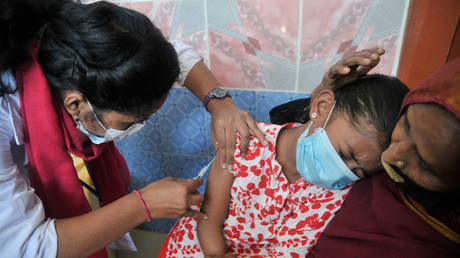
Measles isn't just a childhood rite of passage or a pesky rash. It's a relentless viral machine that dominated the 19th century and, frankly, it’s making a terrifying comeback because we got complacent. When you hear about an outbreak killing over 100 children in a single surge, your mind probably goes to the 1800s—a time of soot-stained London streets and zero sanitation. But this isn't just a history lesson. It's a warning. We’re seeing a resurgence of "Victorian" diseases in modern pockets where vaccination rates have cratered, and the results are predictably devastating.
Most people think we "beat" measles decades ago. We didn't. We just suppressed it. The virus is currently exploiting gaps in our collective immunity, and the recent death toll among children proves that the old killers haven't lost their edge. If you think a bit of vitamin C and bed rest can handle a pathogen that once wiped out entire generations, you’ve been misled by a century of relative safety. In related updates, we also covered: The Lingering Shadow of the Little Albert Scandal.
Why We Should Stop Calling These Diseases Victorian
The term "Victorian disease" feels like a safe, distant label. It implies these illnesses belong in a museum next to corsets and steam engines. They don't. Measles, scarlet fever, and whooping cough are biological realities that don't care about the calendar. In the 1800s, measles was a primary driver of child mortality because of poor nutrition and overcrowded living conditions. Today, the virus is exactly the same; only our defenses have changed.
Measles is one of the most contagious infectious diseases known to science. If one person has it, up to 90% of the people close to that person who are not immune will also become infected. It lingers in the air for up to two hours after an infected person leaves the room. You don't even have to see the sick person to catch it. That’s the level of efficiency we're dealing with. When vaccination coverage drops below the 95% threshold required for herd immunity, the virus finds the "kindling"—unvaccinated children—and starts a fire that’s hard to put out. National Institutes of Health has analyzed this critical subject in great detail.
The Real Reason Children Are Dying
It isn't just the fever. It’s what the virus does to the immune system. Measles causes something researchers call "immune amnesia." It basically wipes the memory of your immune system, deleting the "data" your body stored on how to fight other infections like the flu or pneumonia.
A child might survive the initial measles infection only to die months later from a secondary infection their body would have otherwise handled easily. This is why the death toll in large outbreaks is often higher than the official measles count suggests. We’re seeing this play out in regions with low vaccine uptake, where the healthcare infrastructure gets overwhelmed by a sudden spike in complicated cases.
The Myth of the Mild Childhood Illness
There’s a dangerous narrative floating around parenting forums and social media that measles is "mild." It’s a lie. Ask any doctor who has worked in an ICU during an outbreak.
- Encephalitis: About 1 in every 1,000 children with measles will develop swelling of the brain, which can lead to permanent brain damage or deafness.
- Pneumonia: This is the most common cause of death from measles in young children.
- SSPE: This is the real nightmare. Subacute sclerosing panencephalitis is a rare but fatal disease of the central nervous system that develops 7 to 10 years after a person has measles, even if they seemed to recover fully.
The Victorian era didn't have a choice. Parents watched their children die because the science didn't exist yet. We have the choice. When we choose to skip the MMR vaccine, we’re essentially inviting 19th-century mortality rates back into the 21st century. It's an avoidable tragedy that keeps repeating itself because we’ve forgotten what these diseases actually look like.
How Modern Outbreaks Mimic the 1800s
In recent outbreaks where over 100 children lost their lives, the patterns are eerily similar to the 1860s. It starts in a tight-knit community with low immunity. It spreads through schools and places of worship. Then it hits the most vulnerable—babies too young to be vaccinated and children with underlying health issues.
The difference today is the speed of travel. A virus can move from a rural village to a major international hub in less than 24 hours. We’re living in a global village with Victorian-era vulnerabilities in certain neighborhoods. It's a volatile mix.
Why Herd Immunity Is Failing
Herd immunity isn't just a buzzword. It’s a literal shield for those who can’t be vaccinated, like kids undergoing chemotherapy or those with severe allergies. When a parent decides "my kid will be fine" and skips the shot, they aren't just making a choice for their family. They’re poking a hole in the community shield.
The math is simple and brutal. If the R0 (reproduction number) of measles is between 12 and 18, we need almost everyone to be immune to stop the spread. Anything less, and the virus finds a path. It’s like water looking for a crack in a dam. Eventually, the dam breaks.
Practical Steps to Protect Your Community
Don't wait for a headline about local deaths to check your status. The chaos of an active outbreak is the worst time to try and get educated.
- Check the Records: If you can't find your childhood immunization records, get a titer test. It’s a simple blood test that checks if you still have antibodies.
- Verify the Source: If you’re reading health advice on a platform that also sells "detox crystals," close the tab. Look at data from the CDC, the World Health Organization, or the Mayo Clinic.
- Vaccinate on Schedule: The MMR vaccine is usually given in two doses. The first at 12 through 15 months of age, and the second at 4 through 6 years of age. Stick to it.
- Support Public Health: Local health departments are the front lines. They need funding and community support to track these outbreaks before they turn into mass casualty events.
The "Victorian" label is a misnomer that breeds a false sense of security. These diseases are here, they're lethal, and they're looking for an opening. Stop treating history like it’s over. History is happening right now in pediatric wards where children are struggling to breathe because of a virus we have the power to stop. Ensure your family's records are up to date today.