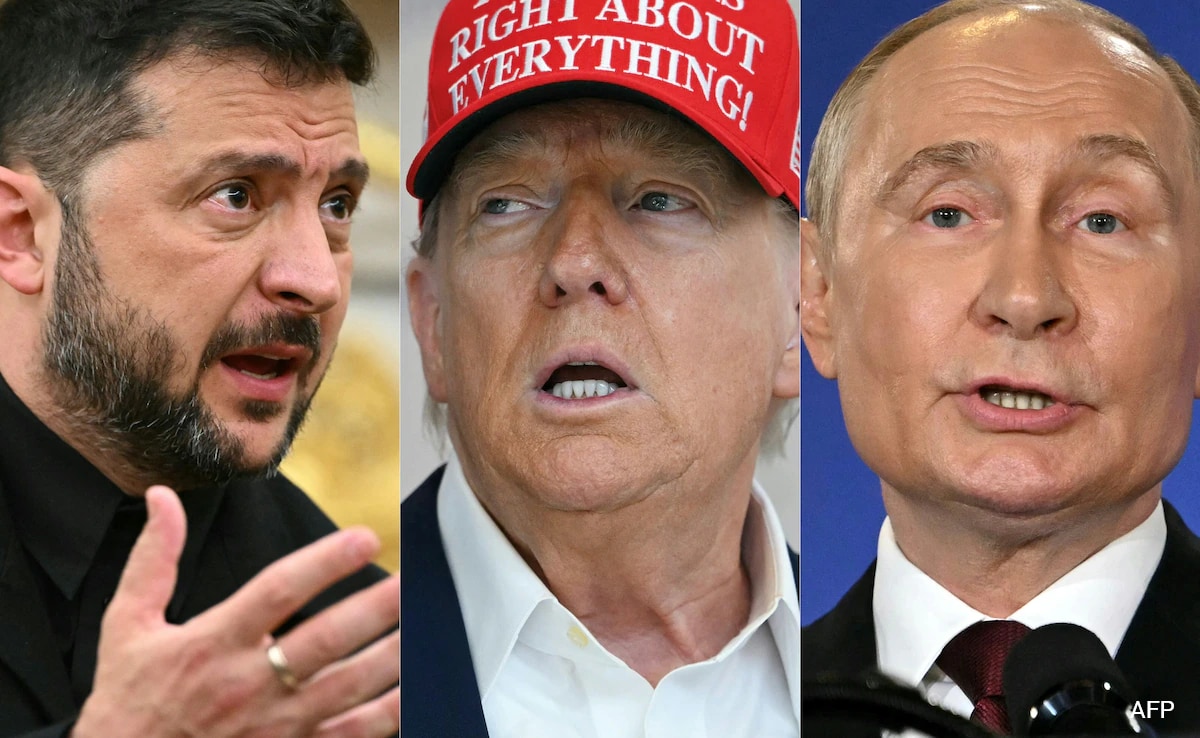
Vladimir Putin has spent the last week signaling that Russia’s "eternal" partnership with Iran has a very specific price tag. According to high-level diplomatic cables and recent closed-door sessions in Miami, the Kremlin has offered to sever its intelligence-sharing pipeline with Tehran if the United States agrees to pull the plug on its intelligence support for Ukraine. It is a cold-blooded calculation that exposes the transactional reality of the Moscow-Tehran axis. While the public rhetoric from the Kremlin emphasizes a unified front against Western "hegemony," the private offer suggests that for Putin, Iran is not an ally but a high-value chip to be cashed in when the stakes in Eastern Europe become untenable.
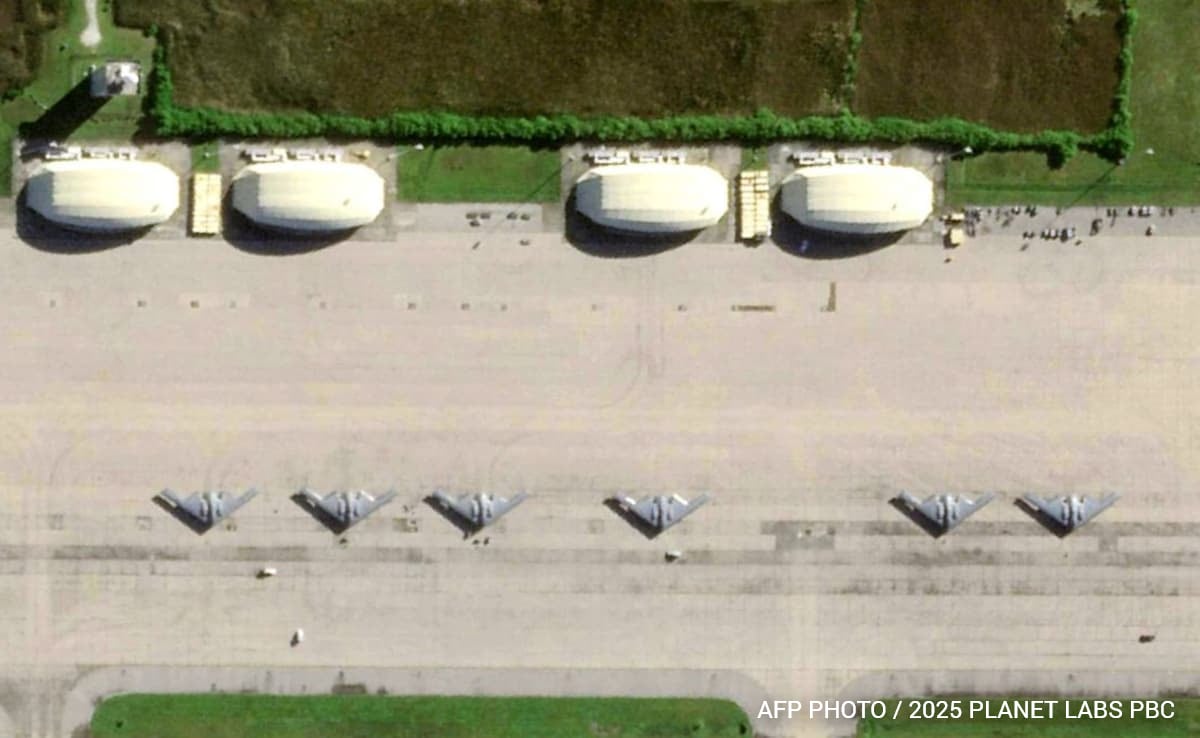
The proposal, delivered by Kremlin envoy Kirill Dmitriev to U.S. representatives Jared Kushner and Steve Witkoff, arrived as the Middle East slides into a broader conflict involving U.S. and Israeli forces. By offering to go dark on Iranian military movements and nuclear developments, Putin is attempting to exploit Washington’s desperation to contain a regional wildfire. The logic is simple: Russia provides the eyes and ears that help Iran target U.S. assets in the Gulf; removing those eyes is a lure designed to tempt an American administration currently juggling two global crises.
The Intelligence Barter
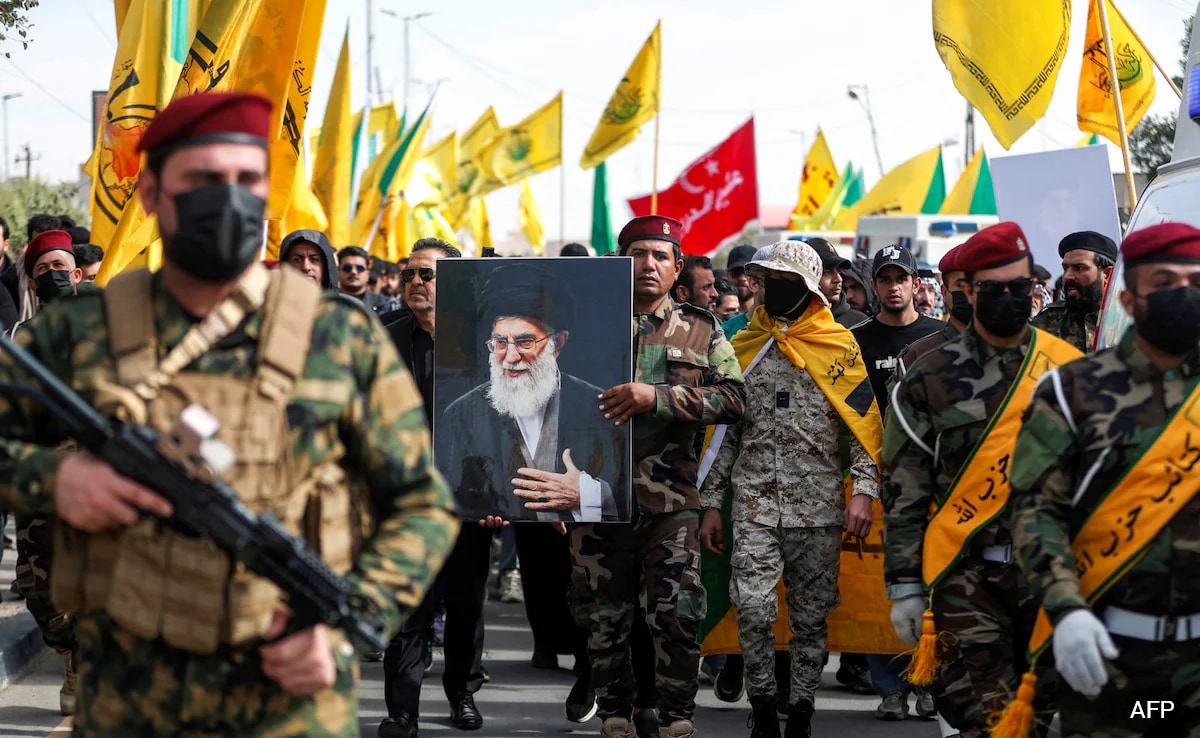
For years, the flow of information between Moscow and Tehran has been a one-way street that eventually became a highway. Russia provides satellite imagery, signal intelligence, and electronic warfare data that has allowed Iranian-backed proxies to refine their targeting of U.S. bases. In return, Iran provided the Shahed drones that became the scourge of Ukrainian cities.
However, the battlefield in Ukraine has reached a point of diminishing returns for the Russian military. The cost of incremental gains in the Donbas is skyrocketing, and the Russian economy is beginning to buckle under the weight of sustained mobilization. By offering to "ditch" Iran, Putin is not just looking for a ceasefire; he is looking to blind the Ukrainian Armed Forces.
Without U.S. real-time intelligence, the high-precision Western munitions that have decimated Russian logistics would lose their lethality. Putin knows that a "blind" Ukraine is a defeated Ukraine. He is betting that the U.S. value on American lives in the Middle East outweighs the strategic necessity of a Ukrainian victory.
Why the Deal is Poison for Washington
The immediate rejection of this offer by the White House highlights a fundamental understanding of Russian diplomacy: Moscow rarely gives up an asset it hasn't already replaced. Analysts familiar with the Kremlin’s "Project Alabuga"—the massive drone production facility in Tatarstan—note that Russia has already successfully localized much of the Iranian technology it once relied upon.
The Redundancy Factor
- Domestic Production: Russia no longer needs Iranian shipments to sustain its drone campaign. They have the blueprints and the factories.
- Nuclear Leverage: Part of the Russian offer reportedly included the transfer of enriched uranium from Iran to Russian soil. While this sounds like a de-escalation, it would effectively make Moscow the permanent gatekeeper of Iran's nuclear clock.
- European Skepticism: Any bilateral deal between the U.S. and Russia that sidelines Kyiv and Brussels would shatter the NATO alliance. Putin’s primary goal has always been the decoupling of American and European security interests.
If the U.S. were to accept, it would effectively be trading the sovereignty of a European nation for a temporary lull in Middle Eastern hostilities—a lull that Russia could end at any moment by simply resuming the data flow through back channels.
The Iranian Perspective
Tehran is likely well aware of these maneuvers. The relationship has always been one of convenience, marred by a century of historical grievances and mutual suspicion. Iran’s leadership understands that they are a tool for Russia to distract the West. When Russian Foreign Minister Sergey Lavrov calls his Iranian counterpart to offer "condolences" for recent strikes, it is often viewed in Tehran as a tactical performance rather than a sign of genuine solidarity.
The danger for Putin is that by making this offer public—even through deliberate leaks—he risks alienating the only partner currently providing him with a sanctions-evasion network and military hardware. If Iran senses it is being sold out, it may seek its own separate peace or, more likely, accelerate its nuclear program to ensure it no longer requires a Russian umbrella.
The Economic Shadow Play
While the diplomats argue over intelligence silos, the real movement is happening in the oil markets. The recent U.S. decision to grant a temporary waiver on Russian oil sanctions was a pragmatic move to prevent a global energy price spike caused by the Iran conflict. Putin has used this windfall to replenish his war chest, proving that he can benefit from Middle Eastern instability even while claiming to be a mediator.
The Kremlin’s strategy is a pincer movement. On one side, they fuel the fire in the Middle East to drive up oil prices and drain Western resources. On the other, they offer to be the firemen, but only if the West abandons Ukraine. It is a sophisticated form of geopolitical arson.
The Failure of the Miami Channel
The meetings in Miami were intended to find a "grand bargain," but they instead revealed the depth of the disconnect. The U.S. side is looking for a way to exit the Ukraine conflict without looking like they are surrendering to an autocrat. Putin is looking for a total reset of the post-Cold War order.
Trading Iran for Ukraine is not a peace plan; it is a restructuring of the global chessboard. It assumes that the U.S. is willing to trade its role as a global hegemon for a few months of quiet in the Persian Gulf. By rejecting the offer, Washington has signaled that it recognizes the "Moscow Transaction" for what it is: a trap designed to weaken the West’s most successful intelligence apparatus since the 1940s.
The war in Ukraine remains the center of Putin’s gravity. Everything else—the flights to Tehran, the medical aid shipments, the "strategic partnerships"—is secondary. If the price of victory in Kyiv is the abandonment of every other partner Russia has, the Kremlin has shown it is more than willing to pay it. The only question left is whether any future administration will be desperate enough to take the deal.
Would you like me to analyze the specific impact of the recent U.S. oil waivers on the Russian military's spring offensive budget?