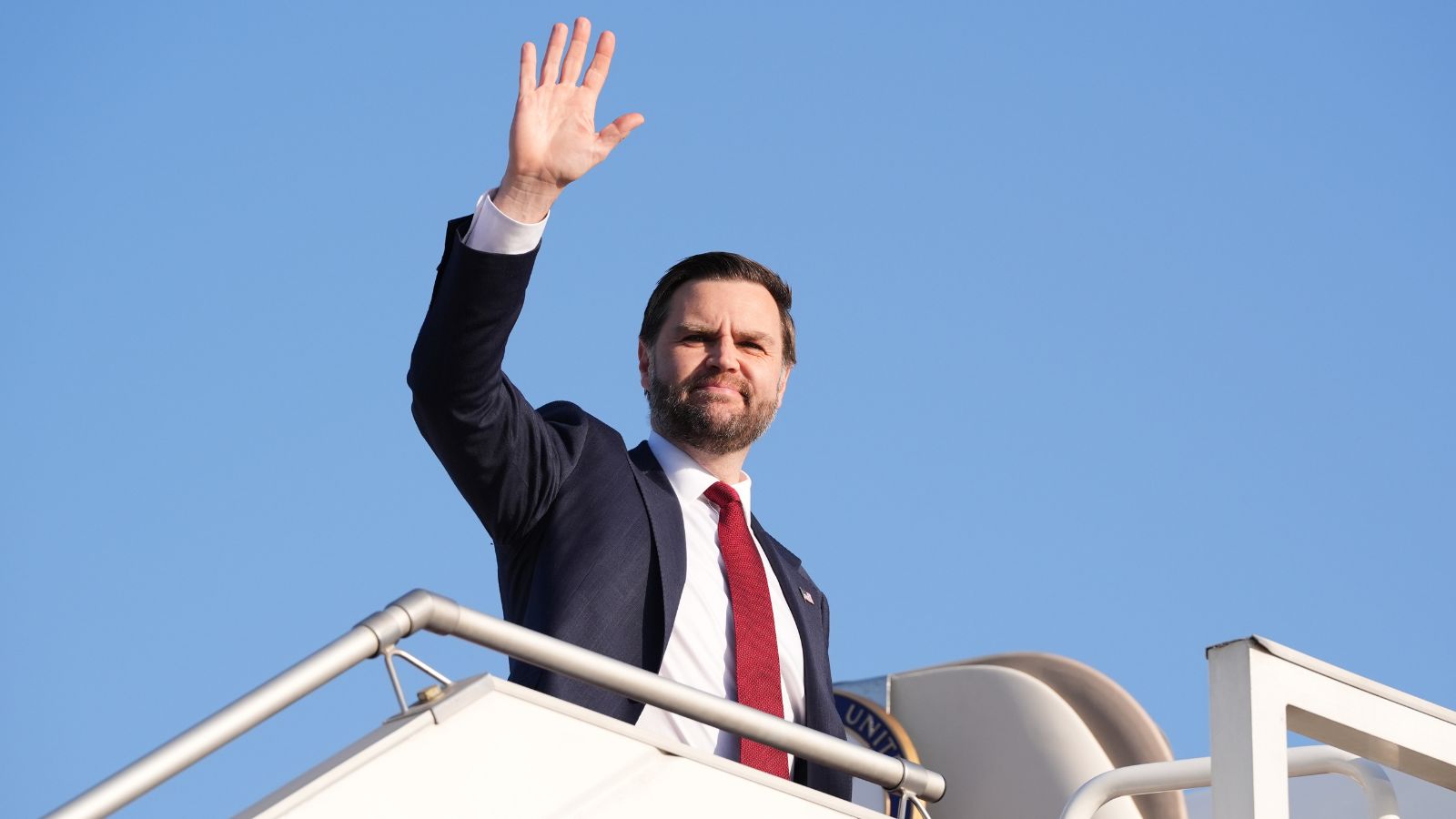
The headlines are screaming about "bad news" because JD Vance walked away from a table in Tehran or Geneva without a signed piece of paper. The media treats a lack of a handshake like a geopolitical plane crash. They want you to believe that "no agreement" equals "imminent disaster."
They are wrong. Dead wrong.
The obsession with diplomatic "closure" is a vanity project for the State Department and a distraction for the public. In the world of high-stakes power politics, an "agreement" is often just a fancy way of saying we’ve agreed to be lied to for the next four years. If you think the absence of a deal is a failure, you aren’t paying attention to how power actually functions.
The Consensus Is Lazy and Dangerous
The standard narrative suggests that diplomacy is a linear path toward safety. The logic goes: Talk -> Negotiate -> Sign -> Peace.
I’ve spent years watching trade delegations and security hawks navigate these rooms. Here is the reality: a bad deal is infinitely more dangerous than the status quo. When we chase a signature at any cost, we signal desperation. We tell the adversary that our domestic political need for a "win" is greater than our long-term strategic patience.
Vance saying there is "no agreement" isn't a setback. It’s a reset. It’s a refusal to accept the mediocre, loophole-ridden scraps that usually define these summits.
The Failure of "Stability"
Critics argue that without a formal pact, we risk "instability." This is a classic misinterpretation of the term. Stability, in the eyes of the foreign policy establishment, usually means a predictable decline. They would rather have a signed document that Iran ignores while building centrifuges in secret than a messy, honest tension.
Let’s look at the mechanics. A formal agreement often involves:
- Sanctions Relief: Immediate capital infusion for the adversary.
- Monitoring Latency: International inspectors are always three steps behind tactical deception.
- Political Paralysis: Once a deal is signed, the US is politically handcuffed from responding to "minor" violations to avoid "scuttling the deal."
By walking away, the current administration maintains its most valuable asset: Strategic Ambiguity. When there is no deal, the other side has to guess. They have to calculate the risk of every move because they haven't been given a roadmap of what we will tolerate. A deal is a fence; no deal is a minefield. I’d rather they walk through a minefield.
The Myth of the Rational Actor
The biggest mistake "peace at any price" advocates make is assuming the Iranian regime views the world through a Western, neoliberal lens. They think if we just offer enough economic incentives, the ideological DNA of a revolutionary theocracy will mutate into a boardroom-friendly partner.
It won’t.
History is littered with the carcasses of "game-changing" treaties that forgot who was on the other side of the table. Think back to the 1994 Agreed Framework with North Korea. We bought them time. We bought them fuel. They bought themselves a nuclear arsenal.
Leverage Is Not a Dirty Word
The media frames Vance’s "no agreement" as a loss of leverage. The opposite is true. You only have leverage when you are willing to leave the room. The moment the other side knows you must have a deal to satisfy your voters or your legacy, you have already lost.
Walking away is the ultimate power move. It tells Tehran that the US is no longer governed by the "sunk cost fallacy." We aren't going to keep throwing good diplomacy after bad just because we spent three days in a hotel suite.
The Real Cost of a Signature
Imagine a scenario where a deal was reached tomorrow. Sanctions drop. Iranian oil floods the market. The regime gets a massive cash injection. In return, they promise to "limit" enrichment to certain percentages—percentages they’ve already mastered.
Who wins there?
- The Regime: They get the cash they need to fund proxies in Lebanon, Yemen, and Iraq.
- The Bureaucrats: They get a Nobel prize nomination and a nice line on their resume.
- The Public: They get a false sense of security that evaporates the moment the first "unannounced" site is discovered by Israeli intelligence.
Stop Asking "When Will They Sign?"
The "People Also Ask" sections of the internet are filled with variations of "When will Iran and the US reach a peace deal?"
The honest answer? Hopefully, never. Not if "peace" means a managed surrender. We need to stop treating the signature as the goal. The goal is the containment of a hostile power. Sometimes, the best way to contain that power is to keep the pressure high, the sanctions tight, and the diplomatic channel open only for the purpose of delivering ultimatums, not exchanging gifts.
The "Bad News" Is Actually a Buffer
The headlines call it "bad news" because conflict is scary and peace is a nice word. But in the cold reality of the Middle East, a "no deal" scenario is a buffer. It keeps our allies—Israel, the UAE, the Saudis—on our side because they see we aren't selling them out for a quick PR victory in Washington.
If we signed a weak deal, we would see a massive shift in regional alliances. Our partners would realize they can't trust the American umbrella and would start making their own, much more violent, arrangements.
The Actionable Truth
We need to embrace the friction. Friction is where the truth lives.
Instead of mourning a failed talk, we should be doubling down on internal energy production to make the Iranian oil threat irrelevant. We should be strengthening the Abraham Accords. We should be focused on the technology of defense rather than the theater of diplomacy.
The "insider" secret that no one wants to admit is that many people in the Pentagon and the intelligence community are breathing a sigh of relief right now. They know that a "no agreement" status keeps the tools of statecraft on the table. It keeps the pressure on the IRGC. It keeps the regime's bank accounts frozen.
Vance didn't fail. He just refused to be the latest in a long line of Westerners who got played by a Persian rug merchant.
The most expensive thing in the world is a cheap peace. We just avoided buying one.
Stop looking for the handshake. Start looking at the chess board. The board is currently favoring the side that isn't desperate to move. In this case, that’s us.
Silence at the negotiating table isn't a void; it’s a roar. It’s the sound of a superpower remembering that it doesn't need permission to act in its own interest. If the price of "good news" is a deal that funds our own enemies, I’ll take the "bad news" every single day of the week.
Stay frosty. The lack of a deal is the only thing keeping us safe.