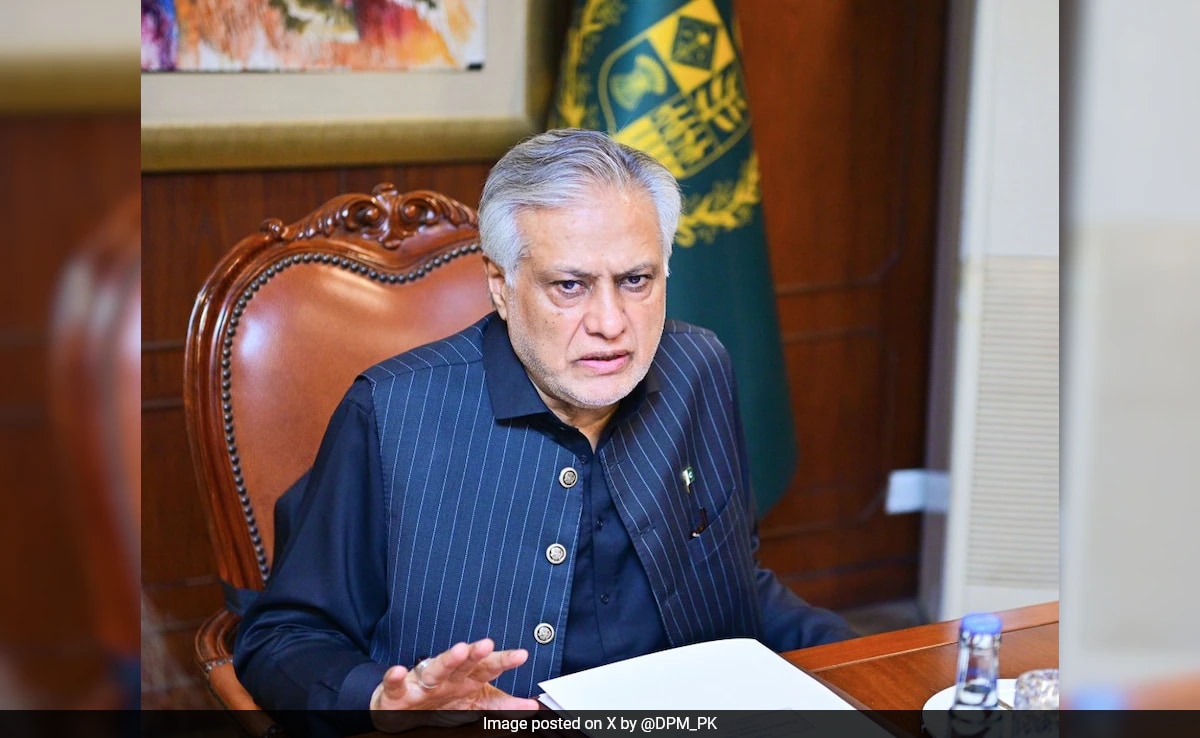
Pakistan’s Foreign Minister Ishaq Dar arrived in Beijing on Tuesday for emergency consultations, a move that signals the utter failure of indirect back-channel diplomacy between Washington and Tehran. While the official line from Islamabad emphasizes "regional stability" and "bilateral cooperation," the reality on the ground is far grittier. Pakistan is currently acting as the primary mailman for a 15-point U.S. peace proposal that Iran has largely rejected, and Dar’s flight to China is a desperate attempt to secure a strategic insurance policy before the conflict spirals into a total regional collapse.
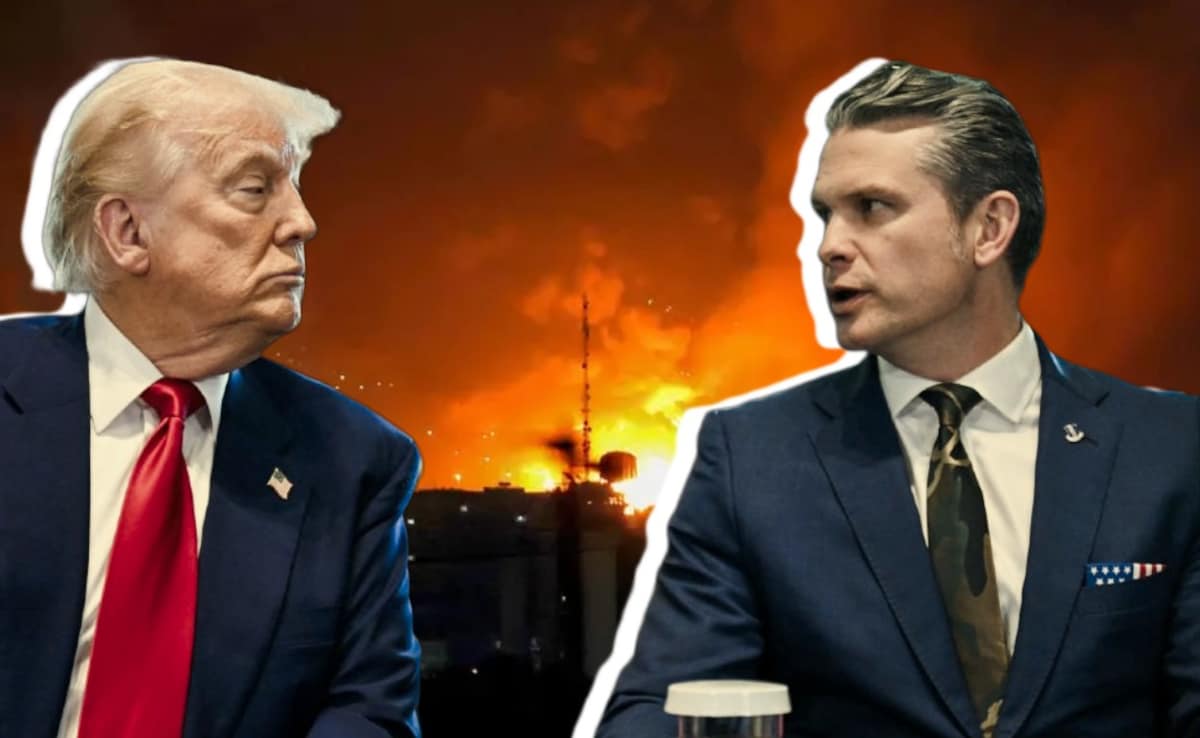
Islamabad finds itself in an impossible squeeze. As the U.S.-Israeli air campaign against Iranian infrastructure enters its second month, the Pakistani establishment is realizing that being a "neutral mediator" is a high-stakes gamble with diminishing returns. They are carrying messages for a Trump administration that demands total capitulation and an Iranian regime that is responding with counter-demands for war reparations and control over the Strait of Hormuz. When the mailman realizes the two parties aren't just arguing but are actively trying to burn the house down, he runs to his biggest creditor. That creditor is China.
The 15 Point Ghost Plan
The "nebulous" talks mentioned by regional observers aren't just vague; they are structurally flawed. U.S. Special Envoy Steve Witkoff has leveraged Pakistan to deliver a framework that essentially asks Iran to dismantle its remaining Revolutionary Guard naval assets and accept permanent monitoring in exchange for a ceasefire. Iran’s response was a blunt five-point counter-proposal delivered through Islamabad, which included a demand for the U.S. to pay for the destruction of the Isfahan facilities.
Pakistan is not mediating out of pure altruism. The country is staring at a balance-of-payments crisis that makes its previous economic woes look like a rounding error. By positioning itself as the indispensable bridge between the White House and the Ayatollah, Islamabad hoped to secure debt relief or at least a blind eye from the IMF. Instead, they have become a target for domestic blowback. With the world’s second-largest Shia population living within its borders, Pakistan’s military leadership is terrified that the "indirect talks" will be seen as complicity if the U.S. strikes move closer to the Pakistani border.
Beijing's Safety Valve
China’s interest in this week’s meeting is purely transactional. For Beijing, Pakistan is the "geopolitical safety valve." The war has effectively neutralized the Strait of Hormuz, turning the China-Pakistan Economic Corridor (CPEC) from a bloated infrastructure project into a literal survival line. If Persian Gulf oil remains throttled by the ongoing naval skirmishes and the Iranian tolling system, the overland routes through Gwadar are the only way to keep the lights on in western China.
Ishaq Dar is likely in Beijing to ask for two things:
- Hard Currency: Immediate liquidity to prevent a sovereign default as energy prices spike.
- Security Guarantees: A Chinese "red line" regarding any potential spillover of the conflict into Balochistan, where Chinese workers are already under threat.
China has publicly supported Pakistan's mediation role, but behind closed doors, they are wary. Beijing does not want to inherit a failed state that is also a theater for a U.S.-Iran proxy war. They are watching the "15 points" with skepticism, knowing that as long as Israel continues its "weeks, not months" timeline for dismantling Iranian factories, no piece of paper signed in Islamabad will matter.
The Nuclear Shadow
The most overlooked factor in Dar’s visit is the fraying of the global non-proliferation regime. As U.S. THAAD batteries are moved from East Asia to the Middle East to protect allies from Iranian retaliation, Pakistan is watching its own neighborhood with jittery eyes. The lesson being learned in real-time is brutal: conventional forces did not stop the bombardment of Isfahan.
For Pakistan, a nuclear-armed state, the spectacle of a non-nuclear Iran being systematically dismantled by a superpower is an existential trigger. They are not just discussing a ceasefire in Beijing; they are discussing the survival of the current regional order. If Iran decides to sprint for a weapon as a last-ditch deterrent, Pakistan’s role as a mediator vanishes, replaced by its role as a frontline state in a much larger, much hotter conflict.
The diplomacy happening right now isn't about finding a "seamless" solution. It is a frantic effort to manage a mess that has already overflowed. Pakistan is trying to prove it is still a "peace broker" while the very ground it stands on is shifting. Beijing will listen, they will offer a measured amount of credit, and they will wait to see if the U.S. actually wants a deal or just a surrender.
Islamabad’s pivot to China this week proves that the U.S.-Iran back-channel is currently a dead end. You don't fly to Beijing to celebrate a successful mediation; you fly there because the mediation is failing and you need a place to hide from the blast.