The woman in front of me at the checkout counter wasn't looking at the cashier. She was looking at the small, glowing screen of the card reader, her thumb hovering over the green "confirm" button as if it were a detonator. In her cart sat a single rotisserie chicken, a bag of salad mix, and a carton of eggs. Standard fare. Unremarkable.
Then the total flashed: $24.12.
She exhaled a breath she seemed to have been holding since the produce aisle. It was a tiny, jagged sound—a mixture of relief and weary resignation. She pressed the button. The transaction cleared. She walked away into the Tuesday afternoon, another data point in a national narrative she likely doesn't have time to read.
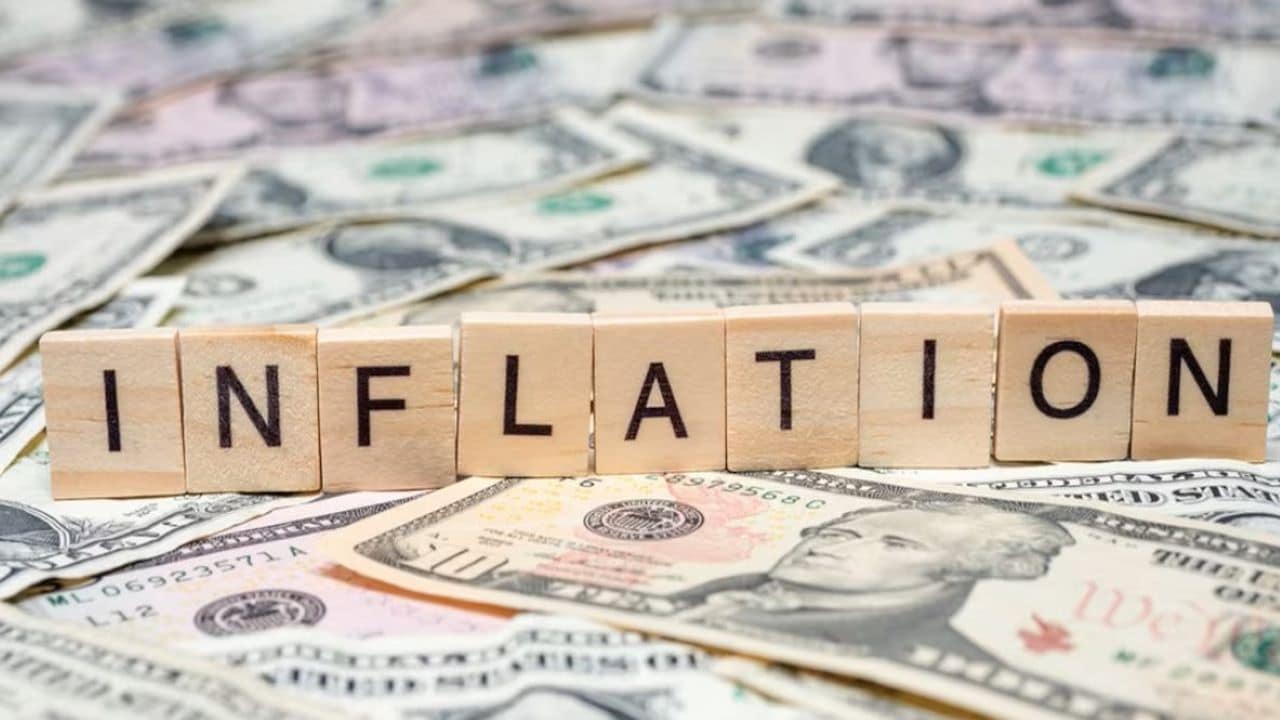
That morning, the Bureau of Labor Statistics released the Consumer Price Index for February. The headlines were clinical. They spoke of "steady" inflation and "meeting estimates." To a bond trader in Manhattan, the 0.4% monthly increase was a sigh of relief. It meant the machine was working as predicted. But for the woman with the rotisserie chicken, "steady" is just another word for "stuck."
The Calculus of the Kitchen Table
When economists talk about inflation, they often strip away the very things we need to survive to find what they call "core" inflation. They remove food and energy because those prices are "volatile." It is a necessary mathematical friction, but it creates a strange disconnect from the lived experience. You cannot choose not to eat. You cannot choose not to heat your home or drive to work.
In February, the Consumer Price Index rose 3.2% over the last year. On paper, this is a victory. We are miles away from the 9% terror of 2022. The fever has broken, but the patient is still shaking.
Consider the "Shelter" category. It accounts for about a third of the entire CPI weighting. In February, housing costs continued to climb, acting like a heavy anchor dragging behind a ship that’s trying to pick up speed. Even as the price of a television or a used car might dip, the rent check—that immovable, terrifying beast—refuses to budge.
We are living in a period of price "leveling," not price "dropping." This is a distinction that often gets lost in the noise. If a box of cereal goes from $3.00 to $5.00, and then stays at $5.00 for a year, the inflation rate for that cereal is 0%. The economists are happy. The person holding the box is still out two dollars.
The Shadow of the Pump
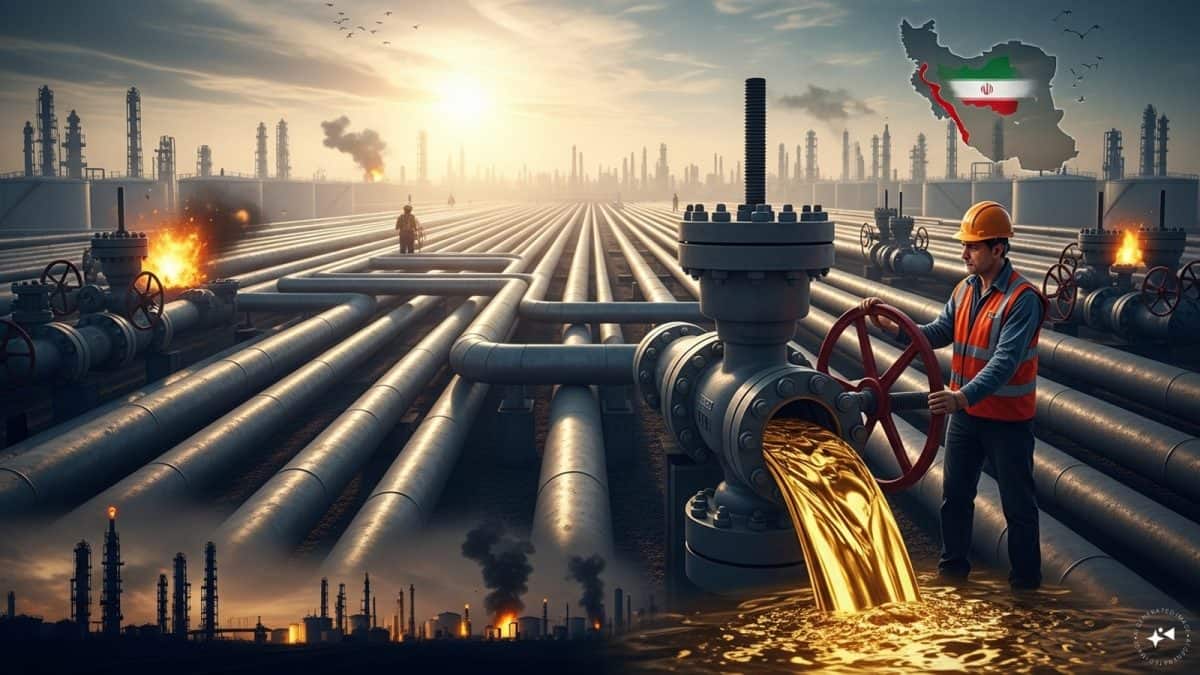
While the February data met the expectations of the ivory towers, a new ghost began to haunt the periphery: oil.
For most of the winter, energy prices were the hero of the story, trending downward and offsetting the stubborn costs of services like car insurance and medical care. But February saw a shift. Gasoline prices ticked up. It wasn't a spike—more like a slow leak.
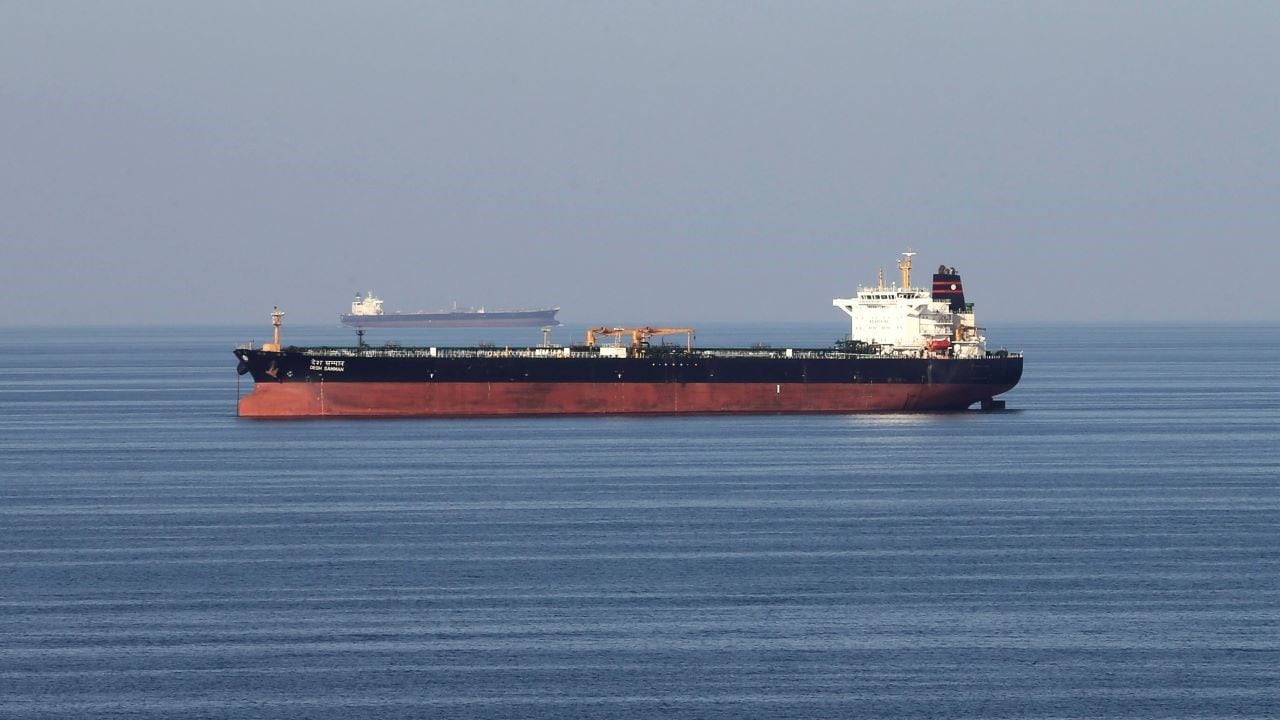
The geopolitics of oil are abstract until you’re standing in the wind at a Sunoco, watching the digits on the pump whir past your budget. Supply cuts from OPEC+ and the simmering tension in the Red Sea aren't just evening news segments; they are the invisible tax on every gallon of milk that has to be trucked across state lines.
If energy costs continue to climb through the spring, the "steady" narrative of February will look like a brief, taunting plateau before another climb. It’s the uncertainty that burns. We are conditioned to wait for the other shoe to drop, and in the world of global commodities, that shoe is usually made of crude oil.
The Fed and the Art of Doing Nothing
In a glass-walled building in Washington, a group of people are staring at these same numbers, trying to decide when to move the lever of interest rates. They are the architects of our borrowing power, the ones who decide if your next mortgage will be a dream or a prison sentence.
For months, the market has been chanting for a rate cut. Give us a break, the investors plead. The inflation monster is in its cage.
But the February data gave the Federal Reserve a reason to pause. If inflation is "steady" but not "vanishing," cutting rates too early is like taking your foot off the brake while you’re still halfway down a steep hill. You might enjoy the breeze for a second, but the crash at the bottom is inevitable.
So, we wait.
We wait for the "last mile" of inflation to be conquered. Economists call it that because, much like a marathon, the final stretch is the most grueling. Bringing inflation down from 9% to 4% was the easy part. It was the low-hanging fruit of healing supply chains and post-pandemic stabilization. Moving from 3.2% to the Fed’s holy grail of 2% is a different kind of war. It is a war of inches. It is a war fought in the price of haircuts, restaurant tabs, and dry cleaning.
The Human Margin
Stats are cold. They don't capture the way a father looks at the price of blueberries and decides his kids can do without them this week. They don't capture the quiet anxiety of a small business owner who has to decide between raising prices and losing customers, or keeping prices flat and losing his margin.
We are told the economy is "strong." Unemployment is low. Spending is up.
But strength is a relative term. A bridge can be strong and still feel terrifying to cross when the gusts are hitting sixty miles per hour. The American consumer is that bridge. They are holding up the weight of the entire global economy, but the bolts are creaking.
The real danger isn't a sudden collapse. It's the erosion. It’s the way we slowly normalize a world where a "good deal" is just something that hasn't gotten more expensive since last Tuesday. We are adapting, yes. We buy the store brand. We skip the appetizer. We drive five miles out of our way to save six cents a gallon.
This adaptation is praised as "resilience" in quarterly earnings calls. In living rooms, it's just called getting by.
The February report told us that the sky isn't falling. That is good news. It told us that the experts were right, that the trajectory is predictable, and that the chaos of the last three years is fading into a dull ache.
But as the sun set on the day the report was released, millions of people sat down to dinner and looked at their plates. They didn't see a 3.2% year-over-year increase. They saw a smaller portion of steak. They saw a generic brand of pasta sauce. They saw the tangible, edible evidence of a world that has become more expensive to inhabit.
The "oil shock" mentioned in the headlines isn't just a threat to the outlook; it's a threat to the fragile peace of the kitchen table. We are walking a tightrope between a cooling economy and a burning one, balanced precariously over a chasm of "estimated" outcomes.
The woman at the grocery store didn't care about the Federal Reserve's 2% target. She cared about the $24.12. She cared that her twenty-dollar bill, once a symbol of a full bag of groceries, is now just a down payment on a Tuesday night dinner.
She pushed her cart into the parking lot, the wheels rattling against the uneven pavement, moving forward because there is no other direction to go.