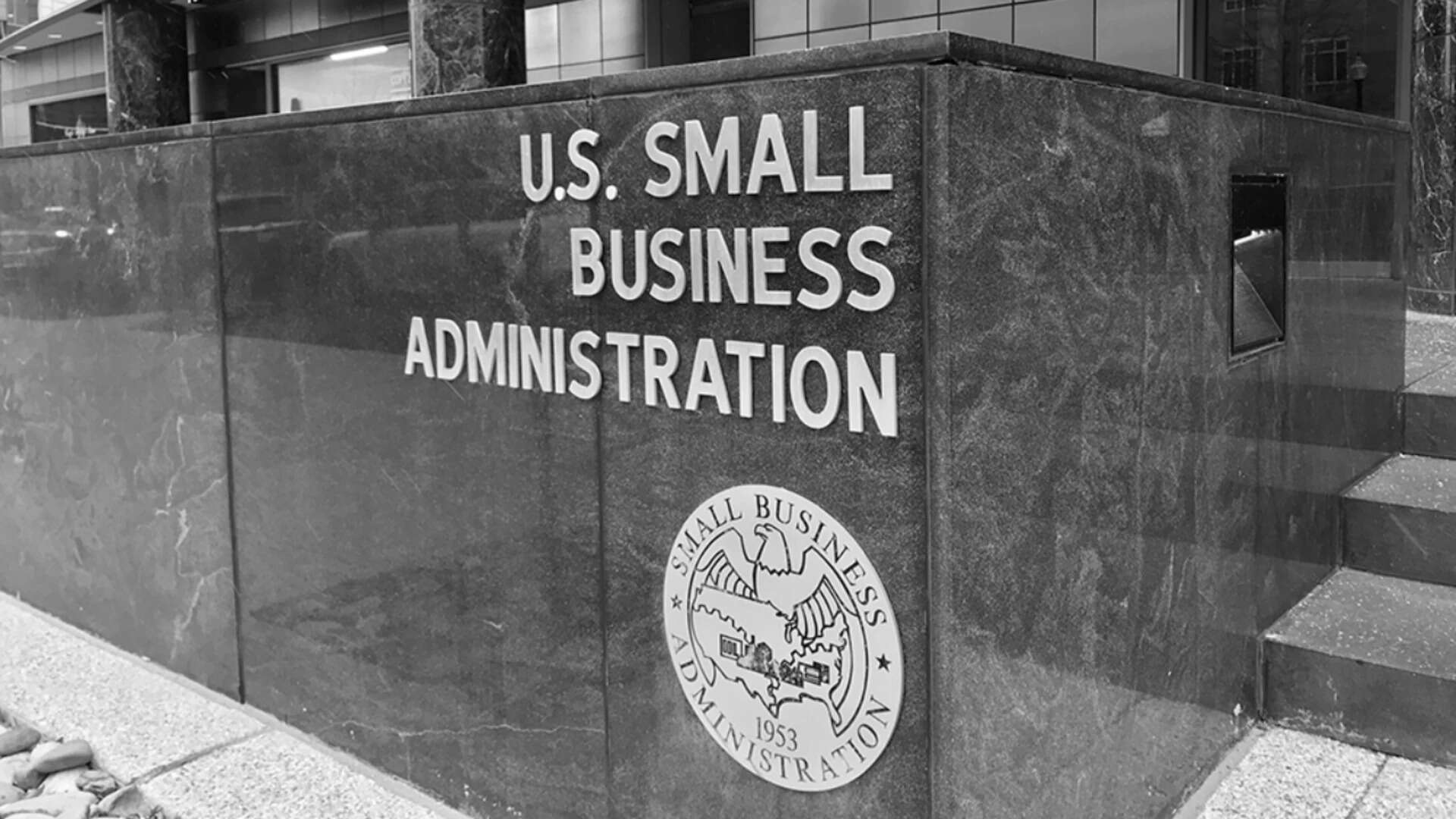
The Small Business Administration is touring the country like a rock band on a farewell tour, promising to "crack down" on pandemic-era fraud. It’s a great headline. It’s a fantastic soundbite for a Congressional hearing. It’s also a massive redirection of energy that ignores the fundamental rot in how federal aid is distributed.
Administrator Isabel Guzman is moving state-by-state, shaking hands and talking about "accountability." But if you’ve spent any time in the trenches of federal lending or treasury management, you know the truth: This isn't a cleanup operation. It's a burial. The SBA is chasing the ghosts of 2020 to distract from the fact that their current systems are still built to reward the fast and the fraudulent while strangling the legitimate entrepreneur in red tape.
The "lazy consensus" suggests that fraud is a bug in the system. I’m telling you it’s a feature. When you prioritize "speed" over "security" in a crisis, you aren't just helping people; you are subsidizing crime. Now, the agency is spending millions in taxpayer capital to recover pennies on the dollar, all while making it harder for actual small businesses to access capital today.
The Myth of the "State-by-State" Solution
The SBA’s new initiative focuses on local partnerships and boots-on-the-ground enforcement. It sounds tactile. It sounds "community-focused." It is actually a logistical nightmare.
Fraud in the Paycheck Protection Program (PPP) and the Economic Injury Disaster Loan (EIDL) program didn't happen because local officials weren't looking. It happened because the digital infrastructure was a sieve. Chasing a guy in Florida who bought a Lamborghini with EIDL funds is easy work—it’s the "low-hanging fruit" strategy.
What the SBA isn't telling you is that the vast majority of sophisticated, organized fraud rings—often operating internationally—have already laundered that money through complex crypto-mixers and offshore shells. A "state-by-state" tour does nothing to catch the professional money launderer. It just creates a visible, performative theater of justice for the evening news.
Fraud Was the Goal, Not the Accident
Let’s look at the mechanics. In 2020, the mandate was "get the money out." The SBA waived standard verification. They allowed "self-certification." In the world of risk management, self-certification is another word for "please rob us."
According to the SBA's own Office of Inspector General, there is over $200 billion in potentially fraudulent activity. To put that in perspective, that is roughly the GDP of Greece. You don't "crack down" on $200 billion with a few more investigators and some state-level cooperation. You admit the system failed and you overhaul the architecture.
But overhauling the architecture is hard. It requires admitting that the "fintech" partners the SBA leaned on were often complicit or, at best, criminally negligent in their KYC (Know Your Customer) protocols. Instead of suing the platforms that facilitated the theft, the SBA is chasing the individual borrowers. It’s like trying to stop a flood by suing the raindrops instead of fixing the dam.
The Collateral Damage: The "Real" Small Business
I’ve seen the "battle scars" of this crackdown firsthand. I've worked with business owners who had their legitimate EIDL applications flagged or their bank accounts frozen because they shared a similar name with a fraudster or moved their office during the pandemic.
While the SBA patrols for "fraud," they have created a "guilty until proven innocent" environment for the very people they are supposed to serve.
- Frozen Credit: Legitimate businesses are seeing their EIDL loans called or flagged for "manual review" that takes 18 months.
- The Paperwork Tax: To "prevent fraud," the SBA has added layers of friction to current lending programs (like the 7(a) loans) that effectively price out the smallest businesses.
- The Big Bank Bias: Because of the fraud panic, mid-sized banks are terrified of SBA-backed lending. They’d rather give a $5 million loan to a tech startup than a $50,000 loan to a local bakery because the compliance risk of an SBA audit is too high.
The crackdown isn't just catching criminals; it's chilling the entire ecosystem of small-scale entrepreneurship.
Why We Are Asking the Wrong Questions
The media asks: "How much money will they get back?"
The real question is: "How much did this 'speed at all costs' policy actually destroy the value of the dollar and the integrity of the market?"
When you inject $800 billion into the economy with zero oversight, you don't just get fraud. You get artificial market signals. You get businesses that shouldn't exist out-competing businesses that should, simply because the former was better at filling out a fraudulent PDF.
The SBA’s "crackdown" is an attempt to retroactively fix a market distortion that is already baked in. It’s like trying to un-salt a soup after it’s been served.
The Brutal Truth About Recovery
Imagine a scenario where the SBA actually catches every single domestic fraudster. The cost of the legal fees, the federal investigators, the court time, and the administrative overhead would likely exceed the amount of liquid assets recovered. Most of this money is gone. It was spent on depreciating assets, luxury goods, or moved into untraceable accounts years ago.
The SBA knows this. This "nationwide crackdown" is a marketing campaign aimed at the 2026 budget cycle. They need to show Congress they are "doing something" so their funding isn't slashed. It is bureaucratic self-preservation masquerading as law enforcement.
The Unconventional Path Forward
If we actually wanted to fix this, we wouldn't be doing "state-by-state" tours. We would be doing three things:
- Platform Accountability: Hold the fintech lenders and "consultants" who facilitated these loans financially liable for the lack of due diligence. If a bank ignored red flags to collect a fee, they should pay back the loss—not the taxpayer.
- Amnesty for "Technical" Errors: Separate the guy who bought a boat from the woman who used the money to pay her rent instead of her "official" payroll because her employees quit. The SBA is currently treating these two people with the same level of aggression.
- Digital Identity Overhaul: Instead of manual "crackdowns," invest in a sovereign digital ID system for businesses. The fact that we are still using tax returns and self-signed PDFs in 2026 is the reason the fraud happened in the first place.
The current "crackdown" is a distraction. It's a way to avoid talking about the fact that the SBA's legacy systems are obsolete. Every hour an investigator spends chasing a $20,000 "fraudulent" loan from 2021 is an hour they aren't spending making the 2026 lending process faster, safer, and more accessible for the businesses that actually drive the economy.
Stop clapping for the "crackdown." It’s your money they’re spending to find the money they already lost. The SBA doesn't need a detective agency; it needs a total structural reboot. Until that happens, this is just expensive theater performed on the graves of the small businesses that didn't survive the "help" they were promised.
Don't wait for a federal agency to "secure" your path to capital. If you’re a small business owner today, the safest move is to assume the SBA’s administrative friction will only increase as they ramp up these "enforcement" optics. Diversify your funding sources now. Move toward private credit or community-based lending where the person across the desk actually knows your name—because to the SBA, you’re just another data point in a "fraud prevention" spreadsheet.
The SBA isn't coming to save you; they’re coming to audit the person they thought was you.
Get your books in order, keep your receipts, and don't expect a thank you for being the one person who actually played by the rules.