Kemi Badenoch didn't just walk onto the stage at St John's Smith Square; she marched into a "looking-glass war." Surrounded by Union Jacks and a crowd of activists chanting her name, the Conservative leader officially kicked off the 2026 local election campaign with a bold claim: the Tories are the only party with a plan.
It's a gutsy move for a party sitting at 17% in the polls. While the room felt like a throwback to the Thatcher era, the reality outside that Westminster cafe is much grittier. Most voters aren't looking for nostalgia; they're looking for a way to pay their bills. Badenoch, however, is betting that "red meat" policy and culture war defense will be the glue that holds the Tory base together before May. You might also find this similar coverage insightful: Strategic Asymmetry and the Kinetic Deconstruction of Iranian Integrated Air Defense.
The math behind the 10,000 police officers
The centerpiece of the launch was a promise to put 10,000 extra police officers on the streets. On paper, it sounds great. Who doesn't want safer neighborhoods? But the logistics are where things get fuzzy. Badenoch insisted there would be "no drugs in public spaces," a statement that sounds more like a wish than a policy.
We’ve heard variations of this "more boots on the ground" promise for a decade. The problem isn't just hiring; it's retention and training. If you've ever dealt with local council budgets, you know that finding the cash for 10,000 salaries—plus pensions and equipment—is a massive undertaking. As extensively documented in recent coverage by USA Today, the implications are notable.
Welfare cuts and the 47 billion pound question
Badenoch’s plan to "Get Britain Working Again" relies heavily on slashing the welfare bill by £47 billion. She argues this is the only way to fund tax cuts and boost defense spending. It’s a classic Conservative play: target the "shirkers" to reward the "workers."
However, there’s an irony in the lineup on that stage. Mel Stride, sitting right behind her, was the one who oversaw significant increases in that very same welfare bill during his time as Work and Pensions Secretary. To claim the party now has a "new" plan to fix the "mess" ignores the fact that they’ve been holding the mop for the last 14 years.
Key pillars of the 2026 Conservative strategy
- Abolishing Stamp Duty: A move designed to win over first-time buyers and "middle-income earners" who feel squeezed by the housing market.
- Scrapping Net Zero Policies: Badenoch wants to ditch "costly" wind farm subsidies and the Carbon Tax to cut energy bills by an estimated £165.
- Leaving the ECHR: The party is doubling down on exiting the European Convention on Human Rights to gain "full control" of the borders.
- The Removals Force: A dedicated unit aimed at deporting 150,000 people a year, modeled after US immigration enforcement.
The Nick Timothy controversy and "British values"
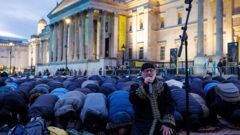
You can't talk about this campaign launch without mentioning the elephant in the room: Nick Timothy. The Shadow Justice Secretary sparked a firestorm by calling public Islamic prayers in Trafalgar Square an "act of domination."
While Labour’s Keir Starmer called for Timothy’s head, Badenoch did the opposite. She backed him. She framed the debate not as a lack of religious freedom, but as a defense of "British values" and shared public spaces. She specifically pointed to the segregation of women during the prayers as something that made her "very uncomfortable."
This is the core of the Badenoch brand. She doesn't back down from a fight, especially when it involves identity politics. By leaning into these cultural flashpoints, she’s trying to stop the bleed of voters to Reform UK. It’s a high-stakes gamble. If she wins, she’s a "conviction politician." If she loses, she’s just alienating the center ground the Tories desperately need to win a general election.
Moving beyond the slogans
If you're looking at these local elections as a bellwether, pay attention to the "Badenoch bounce." Her personal ratings have improved, but the party's numbers haven't followed. People like her grit, but they're skeptical of the brand.
To actually see if this plan holds water, watch the council seats in the "Blue Wall." If the Tories lose significant ground there, the pressure from rivals like Robert Jenrick will become unbearable.
If you want to track how these policies affect your local area, check your local council's budget allocation for "hotspot patrols." This is where the 10,000-officer promise will either live or die. Check if your local authority is one of the 2,000 high-crime areas earmarked for these patrols. If the funding isn't reaching your street by the end of the year, the "plan" was just a campaign script.