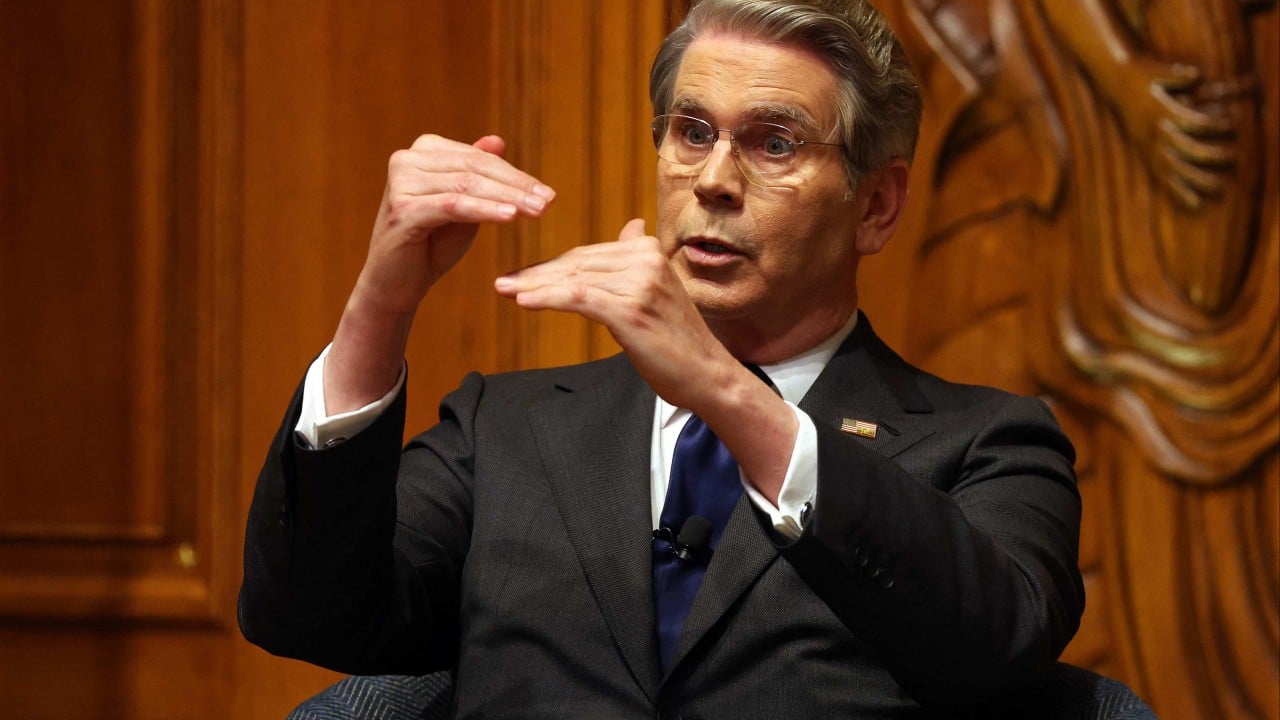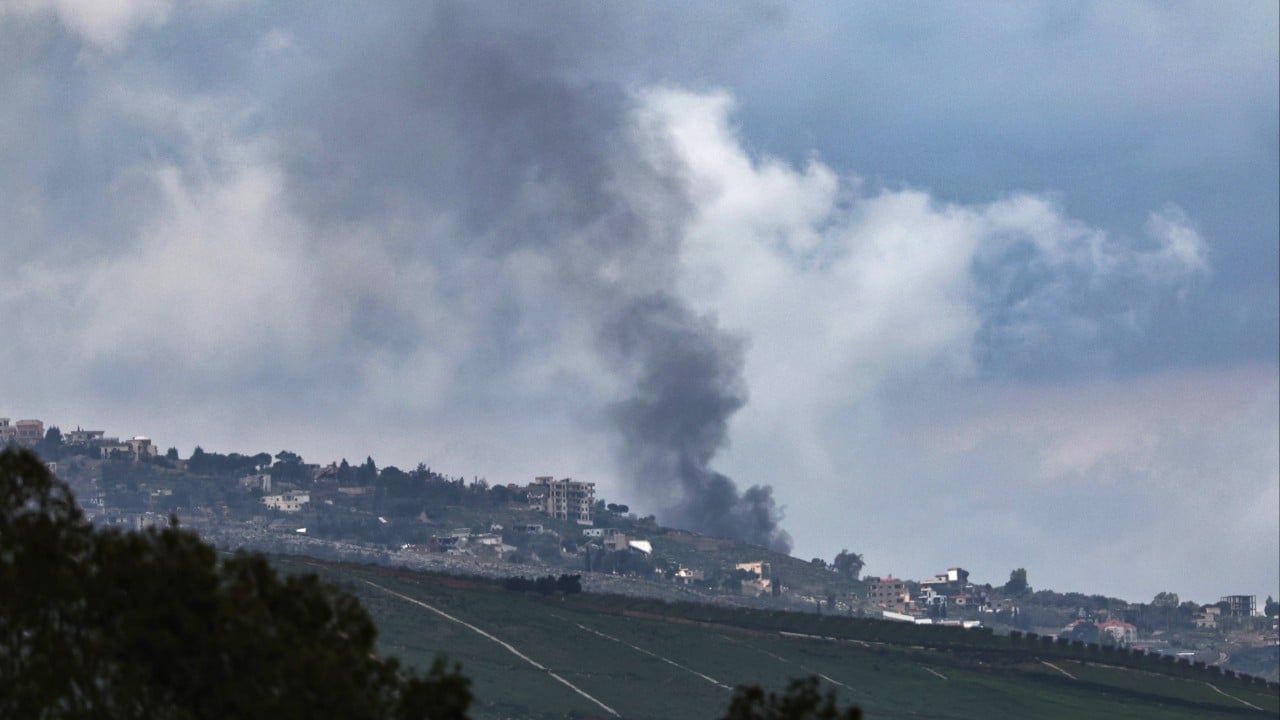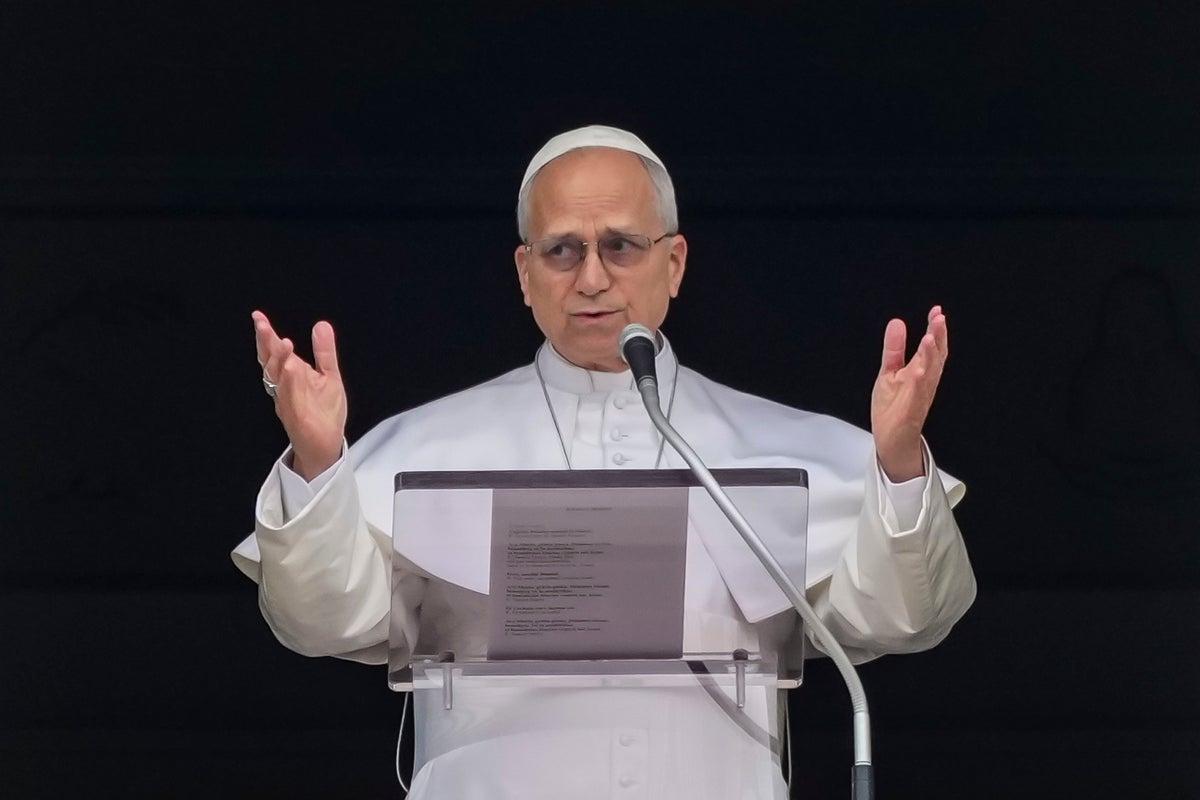
The silk of the white cassock is surprisingly heavy. It shouldn’t be. It is just fabric, tailored in a quiet shop off a Roman cobblestone street, but when Leo XIV stands before the windows of the Apostolic Palace, the thread seems to pull at his shoulders with the gravity of two billion souls. He is the first American to ever feel that specific weight. Born in the frantic, neon-pulsed energy of Chicago, he now spends his days in a city where time is measured in centuries, staring toward a horizon where the smoke of the Middle East smudges the Mediterranean sky.
He didn't use the measured, diplomatic language of his predecessors this morning. He didn't lean on the crutch of "deep concern" or "calls for restraint." Instead, he leaned into the microphone and called the war a scandal.
A scandal.
In the vocabulary of the Church, that word isn't about a tabloid headline or a political slip-up. It is a stumbling block. It is an offense so egregious that it makes belief itself difficult for the observer. By calling the violence in the Middle East a scandal to humanity, the man from Chicago wasn't just criticizing a military strategy. He was pointing at a collective failure of the human heart.
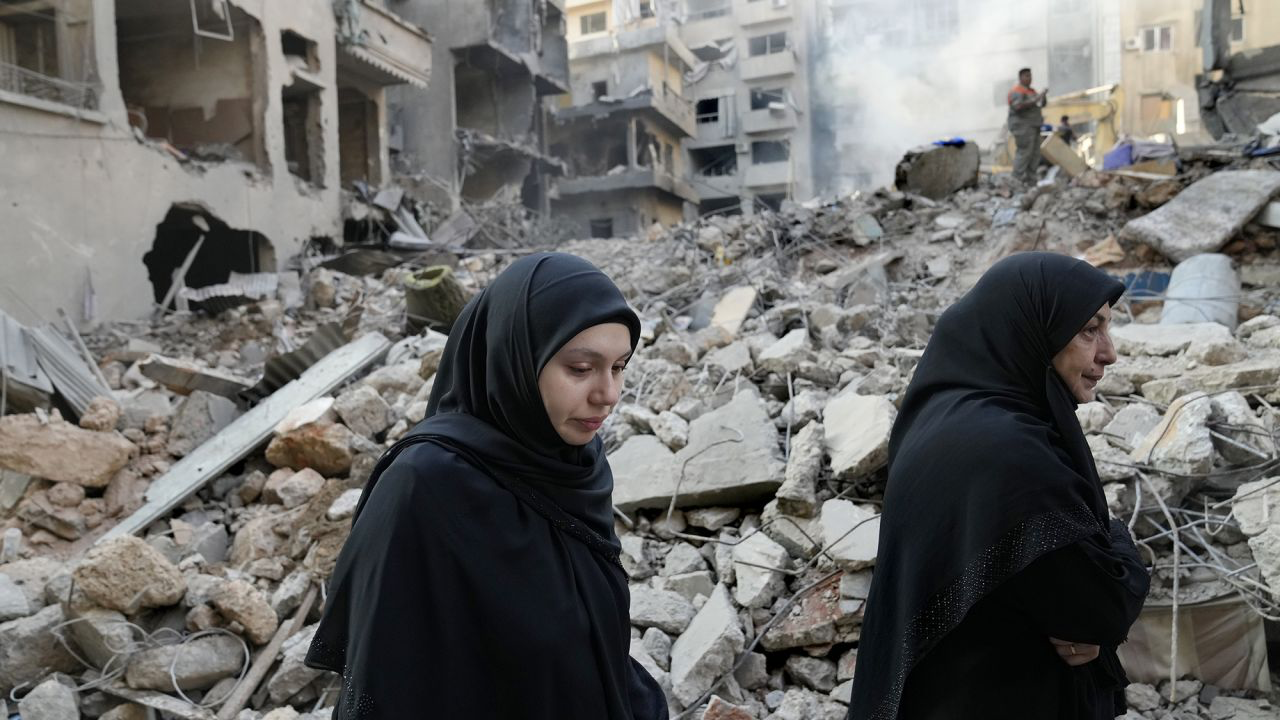
Imagine a kitchen in a small apartment in Haifa, or a tent in the ruins of Gaza. There is a woman there. Let’s call her Adara. She isn't a statistic. She is a person who knows the exact pitch of a drone’s hum and the way the air tastes like pulverized concrete after a strike. She is trying to boil water. The simple act of making tea—a gesture of hospitality and normalcy—has become a radical act of defiance against a world that wants to reduce her to a casualty count.
When the Pope speaks of a scandal, he is looking at Adara. He is looking at the gap between our technological brilliance and our moral bankruptcy. We can map the stars and split the atom, yet we cannot figure out how to share a few miles of sacred, blood-soaked dirt without tearing the limbs off children.
The irony of an American Pope delivering this particular message isn't lost on the crowds in St. Peter’s Square. He grew up in a culture that often views the world through the lens of "us versus them," a binary of good guys and bad guys defined by the evening news. But the chair he sits in now demands a different perspective. From the Vatican, the world doesn't look like a map of nations. It looks like a single, fragile family.
He spoke about the "invisible stakes" of this conflict. It isn't just about borders or the "two-state solution" that diplomats have been passing back and forth like a worn-out deck of cards for decades. The real stake is the soul of the next generation. What happens to a ten-year-old boy who has never known a day without the shadow of a wall or the sound of a siren?
Fear is a master architect. It builds walls faster than any mason. It reinforces those walls with the mortar of memory—the memory of a grandfather’s lost orchard or a sister’s empty chair at the dinner table. When Leo XIV calls the war a scandal, he is saying that we are allowing fear to design the future of the human race.
The numbers are numbing. Thousands dead. Tens of thousands displaced. Billions of dollars in hardware launched into the sky to turn cities into graveyards. We read these figures on our phones while we wait for our coffee, a slight dip in our mood before we swipe to a video of a dancing cat. This desensitization is part of the scandal. We have turned the agony of our fellow humans into a background noise, a low-frequency hum that we have learned to tune out so we can get through our day.
But the Pope cannot tune it out. He is tethered to it. Every evening, he receives reports—not just from intelligence agencies, but from parish priests hiding in basements, from nuns distributing the last of the flour, from families who have lost everything but their rosaries.
He shared a story, perhaps hypothetical but rooted in a thousand real letters he receives, of a man named Elias. Elias is a woodworker in Bethlehem. For generations, his family carved olive wood for tourists who came to see the birthplace of the Prince of Peace. Now, there are no tourists. There is only the wall. Elias sits in his shop, surrounded by the scent of sawdust and the silence of a dying trade, wondering if his God has moved to a different neighborhood.
"The silence of the international community," the Pope said, his voice echoing off the ancient stone, "is the loudest sound in the Middle East."
It is easy to be cynical about a man in a palace talking about peace. It is easy to point to the history of the Crusades or the failures of the Church and say, "Who is he to lecture us?" But that cynicism is just another wall. If we wait for a perfect messenger, we will die in the silence. Leo XIV isn't claiming to have a military solution. He isn't a general. He is a shepherd, and right now, the flock is being slaughtered.
The American in him knows the power of a plain truth. He knows that sometimes you have to stop using the language of the elite and start using the language of the street. A scandal is something that should make us ashamed. It should make us uncomfortable. It should keep us awake at night.
Consider the cost of a single missile. That piece of precision-engineered death costs more than the lifetime earnings of a hundred families in the region it is designed to hit. We are investing in the end of life with a fervor we never apply to its preservation. We have the "robust" systems—to use the jargon of the war rooms—to track a target from space, but we lack the "synergy" to ensure that same target has clean water and a school for his daughters.
The Pope’s words were a direct challenge to the merchants of death. He didn't name the companies, but he didn't have to. Everyone knows who profits when the sky over the Levant turns red. The scandal is that peace is bad for business. The scandal is that we have built a global economy that requires a certain amount of blood to keep the gears turning.
He spoke for twenty minutes, but the air in the square felt like it had been held in a collective lung for an hour. When he finished, he didn't wave or smile for the cameras. He stood there for a long moment, looking out over the crowd, his hands gripping the stone railing of the balcony.
The sun was hitting the dome of the basilica, casting a long shadow over the pilgrims. In that shadow stood people from every continent, some weeping, some nodding, some looking down at their shoes in a sudden, sharp realization of their own complicity.
We often think of peace as the absence of war. It isn't. Peace is a presence. It is the presence of justice, the presence of security, and the presence of a future that isn't dictated by the trauma of the past. By calling the war a scandal, Leo XIV is demanding that we stop settling for the absence of noise and start working for the presence of life.
The world will likely go on as it did before. The headlines will shift to the next crisis, the next election, the next celebrity meltdown. The missiles will continue to find their marks. But for one morning, the most powerful moral authority on the planet stripped away the excuses and the euphemisms. He took the cold, hard facts of geopolitical conflict and held them up to the light of human suffering until they glowed with the heat of a shared shame.
There is a smudge of ash on the horizon. It isn't going away.
Leo XIV turned back into the cool, dark interior of the palace, leaving the window open. The wind from the east blew in, carrying nothing but the scent of salt and the distant, heavy memory of dust. He walked toward his desk, the fisherman’s ring glinting on his hand—a ring designed to pull nets from the sea, now tasked with pulling a world back from the edge of its own making.
The weight of the silk followed him. It is a weight that doesn't come from the fabric, but from the realization that once you have called a thing a scandal, you can never again pretend it is just the way of the world.