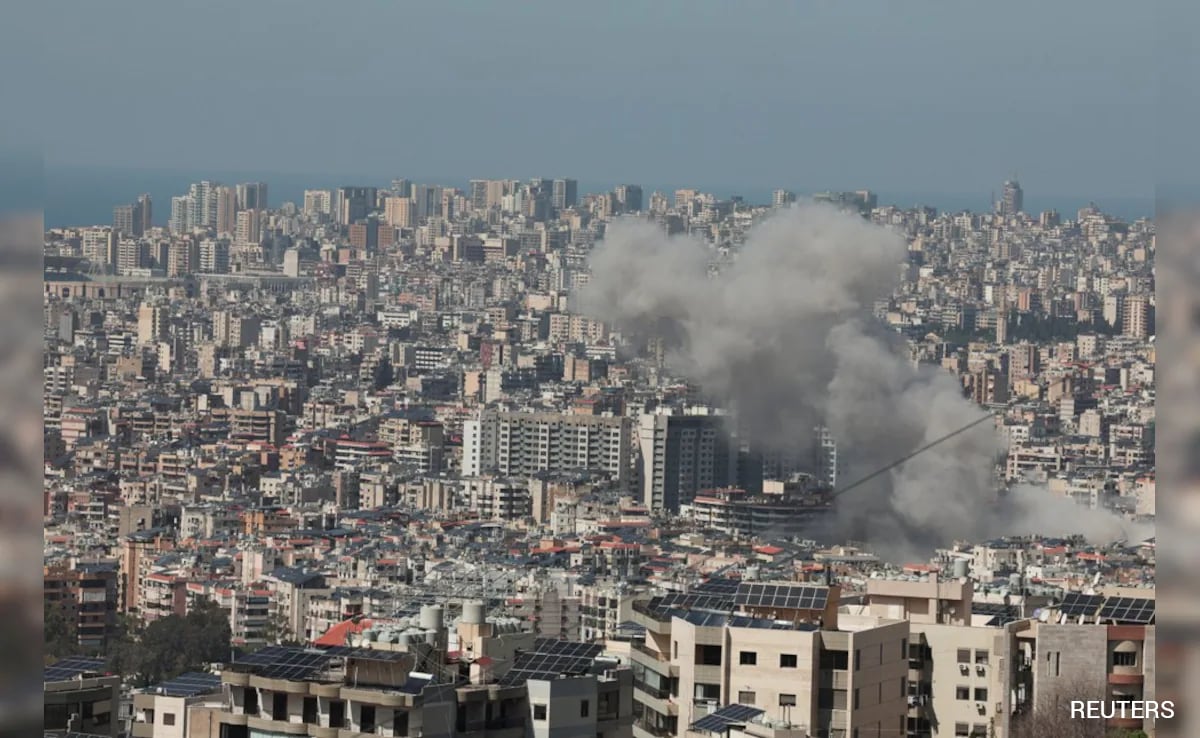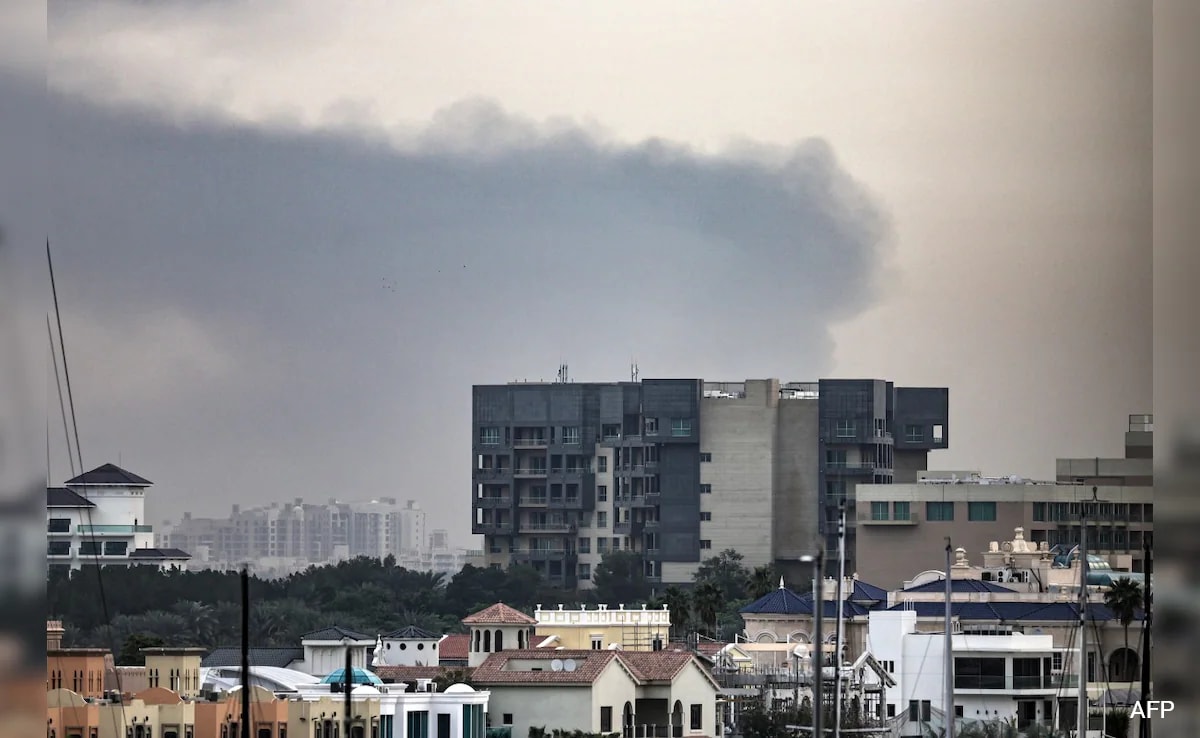
Dubai doesn't usually see this kind of drama. Last night, the skyline wasn't just glowing with the usual luxury hotel lights; it was lit up by the sharp, rhythmic flashes of air defense batteries working overtime. Debris fell over several Dubai neighborhoods after UAE air defenses intercepted missiles launched from Iran. If you were watching social media, the footage looked like a sci-fi movie, but the reality on the ground was much more grounded and, frankly, loud.
People are asking if the city is safe. The short answer is that the systems worked. The long answer involves a complex web of regional friction that has finally spilled over into the airspace of one of the world's most stable commercial hubs. When fragments of a neutralized missile hit a parking lot in a residential area, it changes the conversation from "geopolitics" to "what happened to my car?"
The Mechanics of the Dubai Intercepts
We need to talk about what actually happened in the sky. When a missile is intercepted, it doesn't just vanish into thin air. Physics doesn't work that way. An interceptor missile—likely a Terminal High Altitude Area Defense (THAAD) or a Patriot PAC-3 system—collides with the incoming threat. This creates a massive kinetic explosion. What's left is a rain of hot metal, unspent fuel, and electronic components.
Last night, that rain fell over parts of Al Barsha and near the outskirts of Dubai South. Local authorities were quick to cordon off the areas, but the visual evidence was everywhere. You saw charred metal scraps that looked more like industrial waste than high-tech weaponry. This is the trade-off of living under a high-tech umbrella. You stop the explosion that could level a building, but you can't stop the gravity that brings the pieces back down to earth.
The UAE has spent billions on these systems for a reason. They aren't just for show. The integration of US-made defense tech with local command structures is what kept the damage to property rather than lives. It’s a terrifyingly efficient process that happens in seconds, often before the general public even hears the sirens.
Why Iran Targeted This Path
You have to look at the map to understand the intent. Launching missiles from Iranian soil toward targets in the southern Gulf isn't just a military move; it’s a message. Iran is signaling that no corner of the region is "off-limits" if tensions continue to escalate. By forcing Dubai’s air defenses to activate, they’re testing the response times and the density of the UAE’s "shield."
It's a high-stakes game of chicken. Dubai is a global node for aviation and finance. If the airport shuts down for even six hours, the ripple effects hit London, New York, and Hong Kong. Last night’s activity did cause brief diversions at Dubai International (DXB), the world’s busiest hub for international travel. While flights resumed quickly, the psychological impact on the travel market is the real target here.
I’ve seen this pattern before. It’s about creating an atmosphere of "managed instability." Iran knows that a direct hit on a major civilian center would trigger a catastrophic Western response. But "intercepted" missiles that drop debris? That creates just enough fear to rattle investors without starting an all-out war. It’s calculated. It’s cynical. And it’s exactly how modern shadow wars are fought.
Misconceptions About Air Defense Safety
There’s a common myth that once a missile is "shot down," the danger is over. That’s wrong. In fact, that’s when the danger for the average person on the street actually begins.
- The Fireball Myth: Many people think an intercept results in total vaporized destruction. It doesn't. Large chunks of the missile casing often remain intact.
- The Sound Gap: You see the flash, then you hear the boom. If you’re outside watching the "fireworks," you’re standing in a debris field.
- The Fuel Factor: Missile debris isn't just metal. It's often coated in toxic chemicals or unspent propellant. Touching a piece of debris in your backyard is a fast way to end up in the ER with chemical burns.
The UAE National Emergency Crisis and Disasters Management Authority (NCEMA) is usually very efficient with their messaging, but during the heat of the event, information gaps are inevitable. The biggest mistake people made last night was running to their balconies to film. When air defenses are active, the safest place is under a concrete roof, away from glass windows that can shatter from the shockwaves.
Impact on the Dubai Real Estate and Investment Narrative
Dubai sells a specific product: safety in a chaotic region. It’s the "safe haven" for capital. When debris starts falling on the manicured streets of a city that prides itself on being the Vegas of the Middle East, that narrative takes a hit.
Investors don't like uncertainty. However, the market response this morning was surprisingly resilient. Why? Because the defenses worked. There is a weird kind of confidence that comes from seeing a multi-million dollar missile battery do exactly what it was bought to do. The UAE isn't a "soft target." It’s probably one of the most defended pieces of real estate on the planet right now.
We should expect a temporary dip in tourism inquiries, but the fundamental draw of the city remains. The real test will be the insurance markets. Shipping and aviation insurance premiums for the Persian Gulf are likely to spike. That’s where the "hidden tax" of these missile launches shows up. You might not see it, but you’ll feel it in the price of your next flight or the cost of imported goods.
How to Stay Safe When the Sky Lights Up
If you're living in the UAE or traveling through, you need a plan that isn't just "hope for the best." These incidents are becoming the new normal in regional friction.
First, ignore the "influencer" instinct to film the sky. A piece of falling titanium the size of a smartphone can kill you if it’s falling from 30,000 feet. Stay indoors. Second, follow official government channels like the Dubai Police app or NCEMA Twitter (X) feeds. Don't rely on WhatsApp forwards; they’re almost always filled with fake videos from old conflicts.
If you find debris on your property, do not touch it. Call the emergency services immediately. The risk of unexploded ordnance or toxic leakage is high. It’s not a souvenir; it’s a crime scene and a hazmat risk.
The regional landscape is shifting. The era of the "quiet" Gulf is over for now, replaced by a period where technology and geopolitics collide right over our heads. Stay informed, stay under cover when the sirens go off, and realize that the flashes in the sky are the sound of a system working to keep the city standing.
Check your emergency kits and ensure you have offline access to local news. Modern air defense is impressive, but your own common sense is the most important part of the shield.