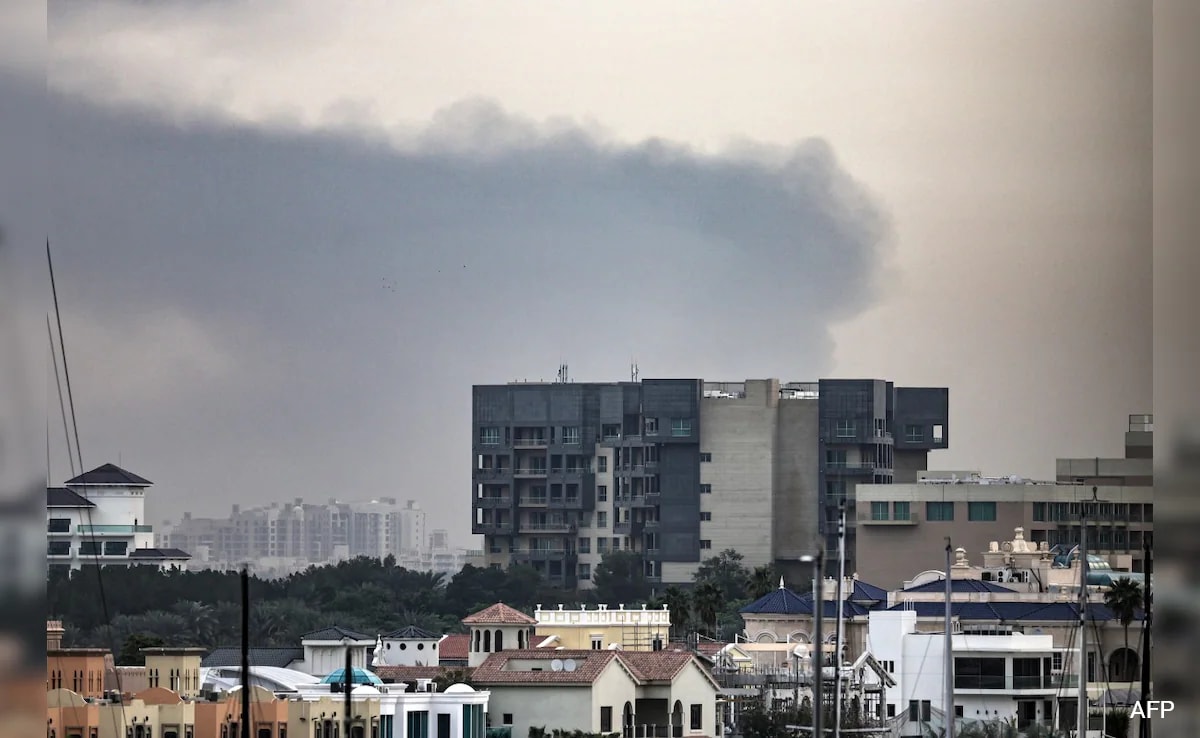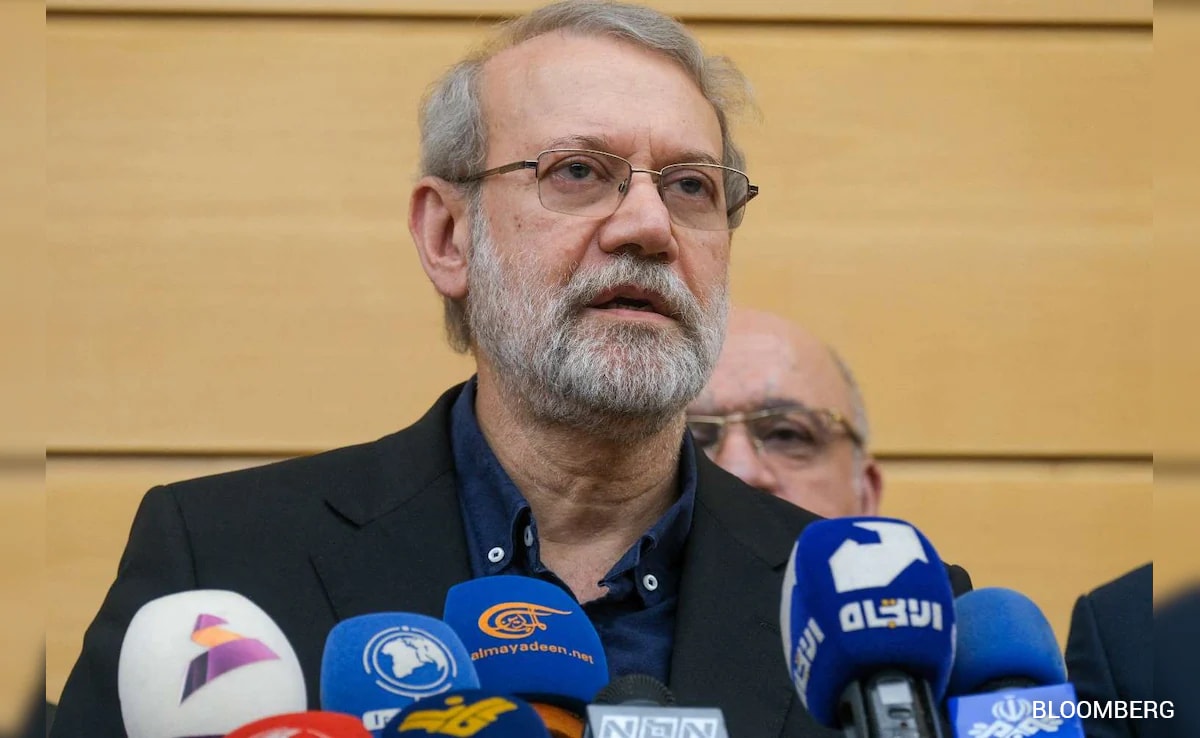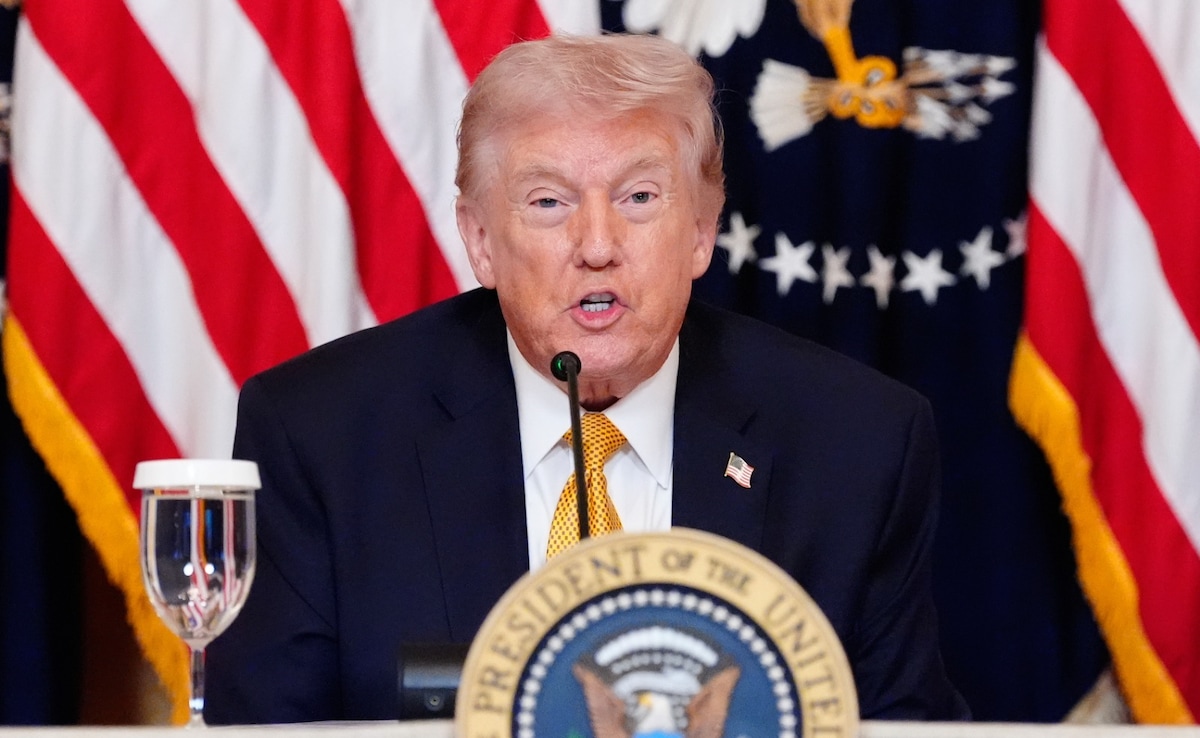
Donald Trump isn't hiding his frustration anymore. The latest friction point involves a massive disconnect between the White House and European allies regarding how to handle Iran. While Washington pushes for a "maximum pressure" stance that feels increasingly like a precursor to conflict, NATO leaders are dragging their feet. Trump’s response was blunt and filtered through his signature "America First" lens. He basically told the world that if NATO won't step up, the U.S. doesn't need the help anyway.
This isn't just another Twitter-style rant. It represents a fundamental shift in how the U.S. views its oldest military alliance. For decades, the assumption was that the U.S. leads and NATO follows, especially in the Middle East. That's not happening now. France, Germany, and the UK are desperately trying to salvage what’s left of the 2015 nuclear deal. They see a war with Iran as a regional catastrophe that would send millions of refugees toward European borders. Trump sees their hesitation as a betrayal.
The Myth of Collective Defense in the Middle East
NATO's Article 5 is famous. It says an attack on one is an attack on all. But that only applied once—after 9/11. When it comes to Iran, the alliance is effectively paralyzed. Trump's "Us Needs No Help" comment strikes at the heart of this paralysis. He's pointing out a reality most diplomats want to ignore. If the U.S. decides to strike Iranian targets, it has the carrier groups and the logistics to do it alone.
European allies argue that a solo American path undermines global security. They're not wrong, but Trump isn't interested in the "globalist" perspective. From his view, the U.S. pays the lion's share of the bills while Europe reaps the protection. When he asks for a show of force against Tehran and gets a "maybe later" from Brussels, he sees a broken contract. It’s a transaction that went south.
Why Europe is Terrified of a New Gulf War
It's easy to call the Europeans weak, but their math is different. Geography matters. Washington is thousands of miles away from the Persian Gulf. Berlin and Paris are much closer.
- Energy Prices: A closed Strait of Hormuz would send European gas prices into the stratosphere.
- Refugee Crises: Europe still hasn't recovered from the political fallout of the 2015 Syrian migration. A war in Iran would dwarf those numbers.
- Security: Proximity to the Middle East means Europe is more vulnerable to retaliatory strikes or asymmetric warfare.
Trump doesn't care about these nuances. He wants results. He wants Iran back at the negotiating table on his terms, or he wants them neutralized. When NATO officials talk about "restraint" and "de-escalation," he hears "weakness."
The Spending Gap Is the Real Elephant in the Room
You can't talk about Trump and NATO without talking about money. This Iran spat is just the latest chapter in a long-running argument over defense spending. Most NATO members still don't meet the 2% of GDP target. When Trump fumes about Iran pushback, he's really fuming about the fact that he feels the U.S. is being used.
He's been consistent on this since the 1980s. He thinks the U.S. is the "world's piggy bank." So, when NATO says "no" to an Iran strategy, Trump's logic is simple. Why should we protect you from Russia if you won't help us with Iran? It’s a hardball tactic that makes career diplomats cringe. It also happens to resonate with a huge portion of the American electorate who are tired of "forever wars" and seeing tax dollars spent on foreign defense.
Is NATO Obsolete or Just Out of Sync
The term "obsolete" got Trump in trouble early in his presidency. He eventually backed off, but the sentiment remains. The alliance was built to stop Soviet tanks from rolling through the Fulda Gap. It wasn't designed to handle a rogue nuclear program in Tehran or a proxy war in Yemen.
NATO is struggling to find its identity in a world where the threats are no longer just "East vs. West." The U.S. is pivoting toward the Indo-Pacific and the Middle East. Europe is still focused on its own backyard. This misalignment is exactly why we're seeing these public outbursts. Trump's "Us Needs No Help" line isn't just bravado. It's a threat to walk away from the table entirely.
The Consequences of Going It Alone
If the U.S. actually moves forward without NATO support, the ripple effects will be felt for years.
- Intelligence Sharing: NATO’s greatest strength isn't just tanks; it's the massive network of shared data. A rift over Iran could see that flow dry up.
- Legitimacy: Whether we like it or not, international operations carry more weight when they aren't unilateral.
- Logistics: The U.S. relies on bases in places like Germany (Ramstein) and Italy to move troops and equipment. If those countries deny access for an Iran campaign, things get complicated fast.
Trump seems to believe he can bypass these hurdles. He’s betting that the U.S. military’s sheer scale makes allies irrelevant in a pinch. It’s a massive gamble.
The Tehran Perspective
Iran is watching this play out with a mix of glee and calculation. Every time Trump slams NATO, Tehran sees a crack in the "maximum pressure" wall. They know that as long as the U.S. and Europe are bickering, the sanctions regime is less effective.
The Iranian leadership has spent years perfecting the art of driving wedges between Western allies. They offer oil deals to Asia, talk peace to Europe, and talk tough to Washington. Trump’s public lashing of NATO plays right into that strategy. It confirms to the world that the "West" isn't a unified front anymore.
How This Ends for the Alliance
We’re at a crossroads. Either NATO evolves to include Middle Eastern security in its core mission, or the U.S. continues to drift toward unilateralism. Trump’s frustration is the symptom, not the cause. The cause is an alliance structure that is nearly 80 years old and hasn't updated its software to handle 21st-century threats.
Don't expect a polite resolution. Expect more heated meetings in Brussels and more blunt statements from the Oval Office. The U.S. is signaling that it's no longer willing to wait for a consensus that never comes.
If you're watching this unfold, look at the base access agreements. If the U.S. starts moving assets out of traditional NATO hubs and toward more "cooperative" partners in the Middle East, you'll know the divorce is real. Pay attention to the defense budgets of Poland and the Baltics versus Germany and France. The "New Europe" is often more aligned with Trump's hawkishness than the "Old Europe." That’s where the real shift is happening.