The Invisible Heist
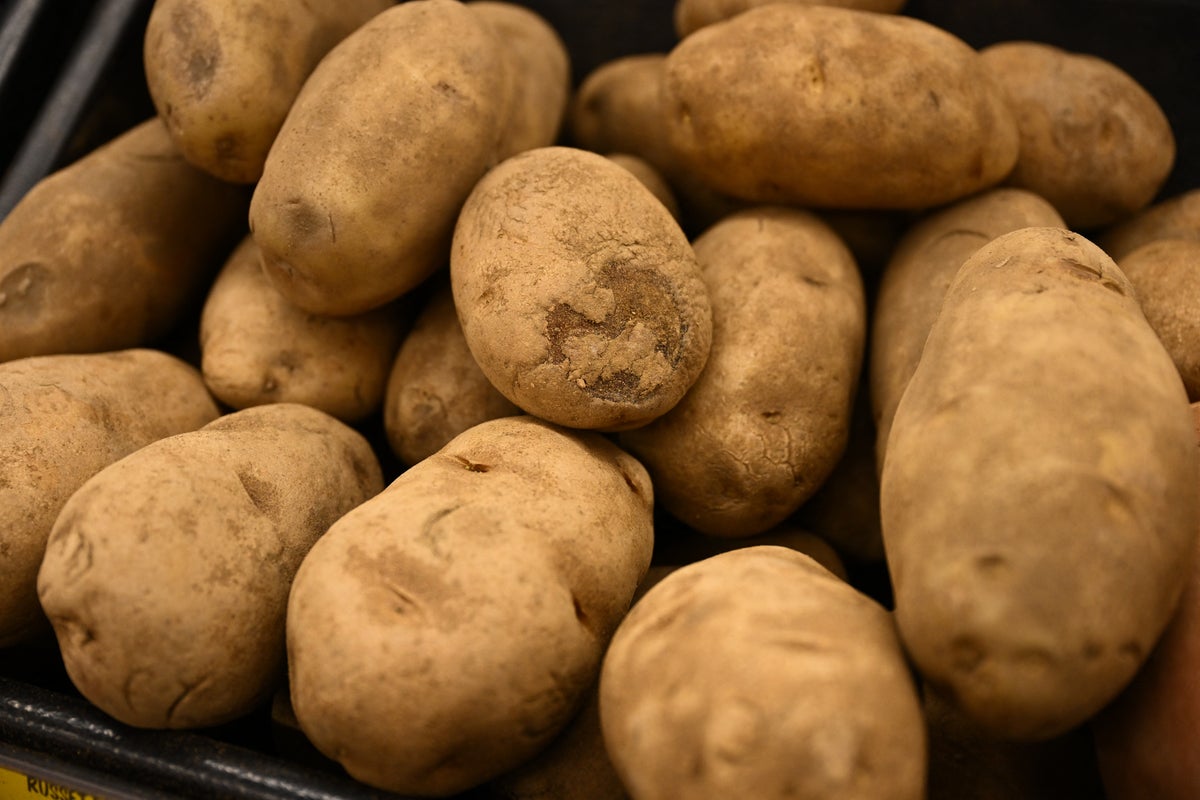
The theft of $600,000 worth of potatoes and onions in Florida is not just a bizarre headline for a slow news day. It is a siren manual for a supply chain that is increasingly vulnerable to sophisticated "identity theft" maneuvers. While the public laughs at the image of a man surrounded by half a million dollars in tubers, the reality of the situation is a terrifying display of how easily a single actor can exploit the digital handshakes that move food across the continent.
Most people assume cargo theft involves masked men jumping onto moving trucks or breaking into locked warehouses under the cover of night. That is the old way. The new way is much cleaner, quieter, and more lucrative. It involves the manipulation of freight brokerage software to impersonate legitimate trucking companies. By the time the real producer realizes their shipment is missing, the goods have already been offloaded at a secondary location and sold into a "gray market" of independent grocers and wholesalers who don't ask too many questions about where the produce originated.
In this specific Florida case, the perpetrator didn't need a weapon. He needed a login. By creating a fraudulent persona and posing as a reliable carrier, he convinced a major distributor to hand over the keys to a massive inventory of perishables. This wasn't a crime of passion. It was a calculated business move that treated the American highway system like an ATM.
The Mechanics of a Digital Stickup
The logistics industry relies on a system of "load boards." These are digital marketplaces where shippers post what they need moved, and carriers bid on the jobs. It is built on a foundation of trust that has failed to keep pace with modern cyber-fraud. When a broker accepts a bid, they are looking at digital credentials—insurance papers, motor carrier numbers, and safety ratings.
Strategic theft occurs when a criminal steals the identity of a "ghost" company or a dormant trucking firm with a clean record. They "double broker" the load, taking the contract from the shipper and then hiring an unsuspecting, legitimate driver to pick up the goods. The driver thinks they are doing a normal job. They pick up the potatoes and onions in Florida and are told to redirect the delivery to a new warehouse "due to a scheduling change."
The legitimate driver drops the load, gets a signature from a fake receiver, and leaves. The criminal then sells the product for pennies on the dollar to a third party. Because the product is perishable, the evidence literally rots or gets eaten before an investigator can even file a report.
Why Potatoes and Onions are High Value Targets
You might wonder why someone would risk prison for onions. The answer lies in the traceability gap. High-end electronics have serial numbers. Luxury cars have VINs. A potato is just a potato. Once you remove it from the branded sack or the original crate, it becomes an anonymous commodity.
Furthermore, the volatility of food prices makes these items "liquid assets." If a shortage hits due to weather or labor issues, the black-market price for bulk produce spikes. A criminal with ten tons of onions can find a buyer in any major metropolitan area within two hours. They are selling a necessity, not a luxury, which ensures a constant, high-velocity demand.
The Cost of a Porous System
This isn't a victimless crime where insurance companies simply cut a check and everyone moves on. The ripples of a $600,000 theft are felt at the kitchen table. When distributors lose massive quantities of stock to fraud, they raise their margins to cover the "shrinkage." The farmer who grew the crop often faces grueling legal battles to prove they aren't complicit, and the small trucking companies whose identities are stolen often see their insurance premiums skyrocket or their business licenses suspended.
We are currently operating on a Just-In-Time delivery model. This means there is very little buffer in the system. A single missing convoy of produce can cause localized shortages, leading to price gouging at the retail level. The Florida arrest is a rare win for law enforcement, but for every one person caught, dozens of others are successfully executing smaller versions of this scheme every day across the Interstate-95 corridor.
Structural Failures in Freight Verification
The core of the problem is that the technology used to move freight is decades ahead of the security protocols used to verify it. Many brokers are still using manual processes to check the validity of a carrier. They might call a phone number provided on a website, not realizing the number is routed to a burner phone in a different state.
- Identity Verification: There is no universal "two-factor authentication" for the physical hand-off of goods.
- Geofencing Gaps: Many trailers are not equipped with real-time GPS that alerts a central office when a truck deviates from a pre-planned route.
- The Gray Market: There is a lack of regulation regarding "cash-and-carry" wholesalers who purchase bulk produce without verifying the chain of custody.
The Illusion of Security
Law enforcement agencies are often ill-equipped to handle these cases. Local police departments are great at responding to a break-in at a liquor store, but they lack the forensic accounting and interstate jurisdictional reach to track a "paper' shipment that vanished across three state lines. The FBI’s cargo theft task forces are chronically underfunded, focusing more on high-value pharmaceuticals or arms than on agricultural fraud.
The Florida suspect was caught because he got greedy and stayed in one place too long. Most professionals in this space are transient. They move from one "burner" trucking company to the next, staying active for ninety days before vanishing and re-emerging under a new LLC. It is a game of Whac-A-Mole played with heavy machinery and essential nutrients.
Shifting the Responsibility
Distributors can no longer treat security as a secondary concern. The transition from "analog" to "digital" logistics was supposed to make the industry more efficient, but it has primarily made it more opaque. Companies must begin implementing biometric verification for drivers at the point of pickup and utilizing blockchain-style ledgers to track the movement of even the humblest commodities.
The industry needs to move away from the "lowest bidder" mentality. When a broker picks the cheapest carrier on a load board without a rigorous vetting process, they are essentially inviting a wolf into the sheepfold. True security costs money, and until the cost of the theft outweighs the cost of the security, these "elaborate schemes" will continue to proliferate.
The next time you see a bag of potatoes at the grocery store, consider the invisible infrastructure required to put it there. It is a system held together by digital threads that are being snipped by anyone with enough technical savvy to exploit a broken marketplace. The Florida arrest was a lucky break, but luck is not a sustainable business strategy for the American food supply.
Verify every signature, track every mile, and never assume the person on the other end of the screen is who they say they are.