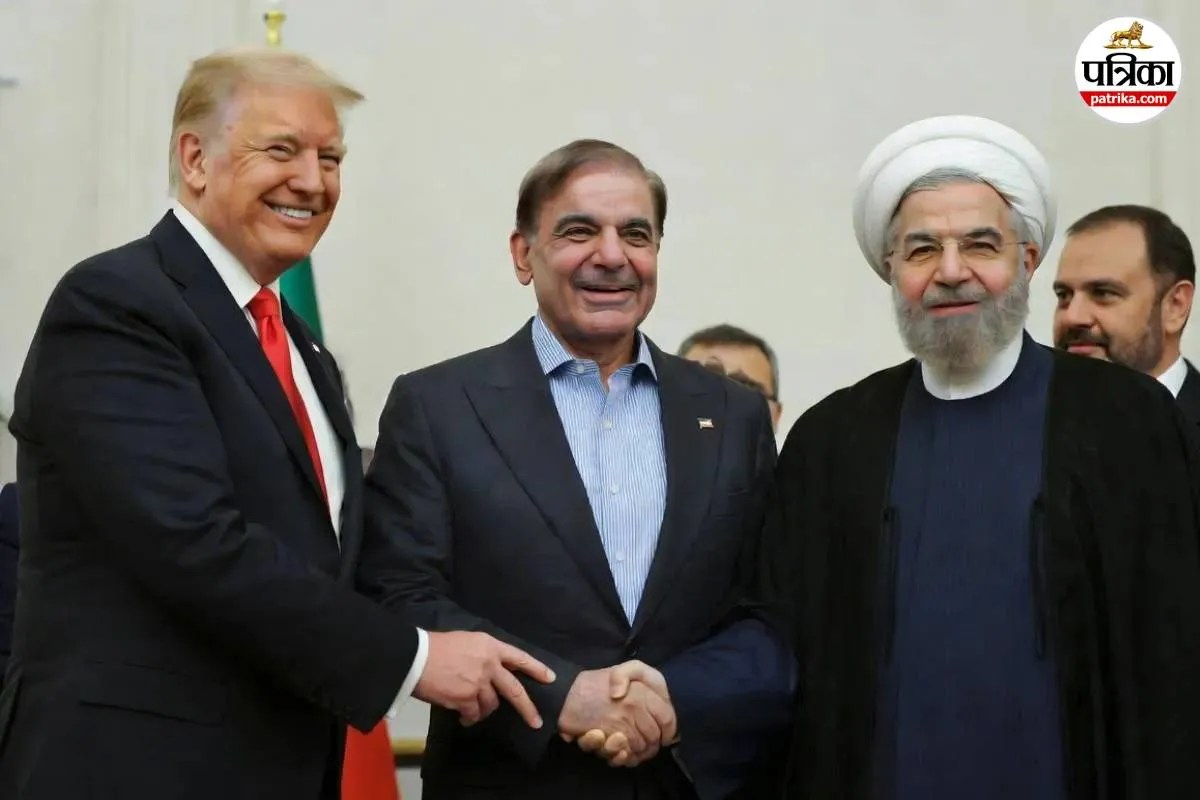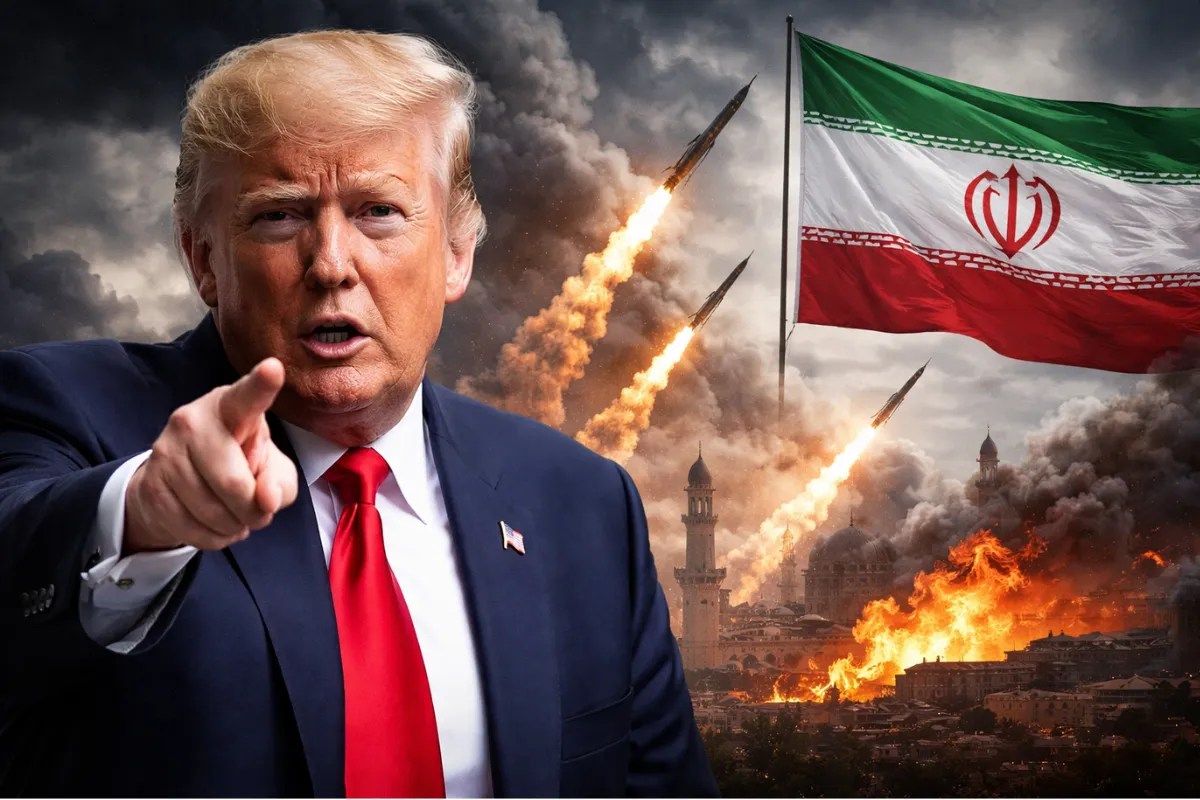
Donald Trump loves a good "begging" narrative. It fits the brand. It sells the image of the ultimate closer who has the world on its knees. The recent claims that Iran is "desperate" and "pleading" for a deal are classic campaign trail theater, but they ignore the cold, hard mechanics of geopolitical leverage. If you think Tehran is actually ready to fold, you haven't been paying attention to how the Middle East really functions.
The consensus among the beltway pundits is that sanctions have finally broken the back of the Islamic Republic. They point to the rial’s collapse and the internal unrest as proof that the regime is one signature away from total surrender. This is lazy analysis. It mistakes economic pain for political capitulation. History proves that regimes under extreme pressure don't usually crawl to the table; they dig in, diversify their shadow economies, and wait for the wind to change.
The Myth of the Desperate Negotiator
In high-stakes diplomacy, the person who looks the most desperate is often the one with the most time. Trump’s "Maximum Pressure" 2.0 isn't a new strategy; it’s a recycled one. During his first term, the narrative was identical: Iran is months away from collapse. Yet, years later, the centrifuges are still spinning, and their regional influence has only become more entrenched through proxy networks.
Why? Because Iran isn't a business you can bankrupt. It’s a sovereign entity with a thousand-year history of outlasting "great powers."
When Trump says there is "no way back," he’s trying to create a false sense of finality. In reality, the Iranian leadership is playing a different game. They aren't looking for a "deal" in the American sense—a piece of paper that can be shredded by the next administration. They are looking for strategic depth. They’ve spent the last four years building a "Resistance Economy" that, while painful for the average citizen, has made the elite and the security apparatus incredibly resilient to Western banking blocks.
Follow the Real Money
If Iran were truly "begging," we would see it in their oil exports. We don't.
Instead, we see a sophisticated "ghost fleet" of tankers moving millions of barrels to China every single day. Beijing isn't following Washington’s sanctions playbook. They are the silent partner that makes "Maximum Pressure" a leaky bucket.
- China’s Role: By purchasing discounted Iranian crude, China secures cheap energy and keeps a strategic thorn in the side of the U.S.
- The BRICS Pivot: Iran’s entry into BRICS and the Shanghai Cooperation Organization (SCO) isn't just symbolic. It’s a deliberate move to decouple from the dollar-based financial system.
I’ve seen analysts blow decades of credibility by predicting the "imminent collapse" of sanctioned states. They always miss the point: Sanctions are a tax, not a death sentence. To suggest that a few more months of pressure will result in a total Iranian surrender is to ignore the reality of the Eastern tilt in global trade.
The Nuclear Trap
The most dangerous misconception in the current discourse is the idea that Iran wants a deal to stop their nuclear program.
Tehran knows that the moment they sign a permanent "no-nuke" agreement, they lose their only real leverage. The nuclear program isn't the goal; it's the insurance policy. They watched what happened to Gaddafi in Libya when he gave up his program. They watched what happened in Ukraine after the Budapest Memorandum.
Imagine a scenario where Iran actually signs the "Great Deal" Trump is hinting at. What do they get? A temporary lifting of sanctions that can be snapped back the moment a new hawk enters the White House? It’s a bad trade. Iran’s "begging" is likely a tactical feint—a way to drag out negotiations, lower the temperature, and buy time to reach the "threshold" state where they have the capability but haven't yet built the bomb.
The Pivot to the "Shadow Economy"
The competitor article assumes that economic data reflects political reality. It doesn't.
In Tehran, there is a massive difference between the official economy and the Bonyads (charitable trusts) and the IRGC-controlled industries. These entities thrive under sanctions. They control the black market. They manage the smuggling routes. For the people in power, the status quo isn't a crisis; it’s a profit center.
When Trump claims they are "grovelling," he’s ignoring the fact that the very people he needs to sign a deal are the ones getting rich off the current isolation. They have no incentive to return to a globalized market where they’d have to compete on a level playing field and face international transparency standards.
The Mathematics of Deterrence
Let’s look at the actual math of the conflict. The cost of maintaining "Maximum Pressure" for the U.S. is relatively low in terms of direct dollars, but high in terms of diplomatic capital. For Iran, the cost of resistance is high in terms of GDP, but the cost of surrender—losing their regional proxies and nuclear leverage—is perceived as existential.
$$Risk_{Surrender} > Risk_{Sanctions}$$
As long as that equation holds true for the Supreme Leader, no amount of rhetoric will bring them to the table for anything other than a tactical pause.
Stop Asking if They’ll Deal
The media keeps asking: "When will Iran sign?"
The better question is: "Why would they?"
If you are a hardliner in Tehran, you’ve seen the U.S. flip-flop on foreign policy every four to eight years. You’ve seen the U.S. struggle to manage two other major fronts in Ukraine and the Pacific. You see a polarized America that is increasingly wary of "forever wars."
From that perspective, you don't "beg." You wait. You provoke just enough to keep the U.S. off balance, but not enough to trigger a full-scale invasion. You use the "negotiation" as a pressure valve to keep the Europeans interested and the Americans guessing.
Trump’s claims aren't based on intelligence briefings; they are based on a desire to project strength to his domestic base. He’s framing the situation as a win before the game has even started. But in the Middle East, the game never ends, and the "wins" are usually just illusions of progress.
The Brutal Reality of "No Way Back"
Trump says there is "no way back." He’s right, but not for the reason he thinks.
There is no way back to the 2015 JCPOA. There is no way back to a world where the U.S. can unilaterally dictate the terms of trade in Eurasia. The world has moved on. Iran has integrated into an anti-Western axis that provides it with enough oxygen to survive indefinitely.
If you’re waiting for a movie-style ending where the "bad guys" hand over their keys and apologize, you’re going to be waiting a long time. The "begging" narrative is a comfort blanket for people who don't want to admit that the U.S. has run out of non-military options that actually work.
Stop looking for the white flag. It’s not coming. Tehran isn't begging; they’re betting—betting that they can outlast the American attention span once again.
Don't buy the hype of the "Great Closer." Diplomacy isn't a real estate deal in Queens. You can't just bully a nation-state into non-existence when they have China's wallet and Russia's hardware backing them up.
The deal isn't "imminent." The "begging" isn't real. The leverage is an illusion.
Prepare for a decade of stalemate, not a weekend of surrender.